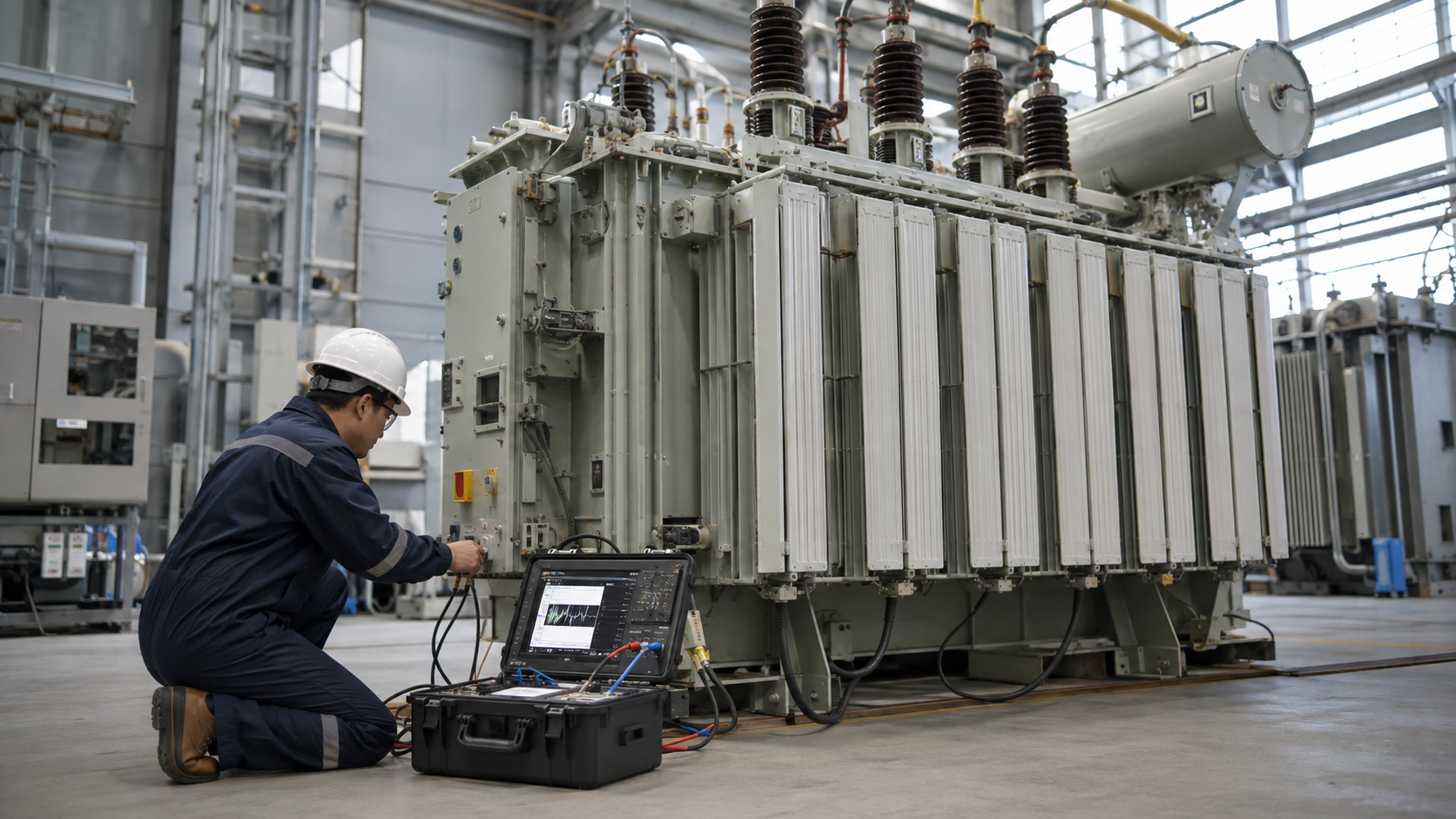

Three-phase transformer price is driven by kVA, voltage class, winding material, dry or liquid construction, losses, impedance, enclosure, accessories, testing, freight and lead time; a useful quote comparison therefore requires one common technical data sheet. There is no reliable universal price per kVA. Two units with the same capacity can differ materially in insulation, efficiency, temperature rise, fault strength, taps, terminals and lifecycle cost.
Key Takeaways
- Compare compliant scope before comparing price.
- Losses, materials, accessories and tests can outweigh nameplate kVA.
- Include freight, installation, downtime and lifecycle energy in the decision.
Electrical Ratings That Drive Cost

Higher kVA requires more core, conductor and cooling capacity. Higher primary voltage increases insulation clearances, bushings and testing requirements. Low impedance can increase conductor and mechanical duty, while special vector groups, dual ratios or wide tap ranges add design complexity.
Efficiency and temperature-rise guarantees affect material quantity. A low-loss design may cost more initially but save energy over decades of energized operation.
Dry-Type versus Liquid-Filled Cost Structure
Dry-type units use ventilated, cast-resin or encapsulated insulation and may fit indoor fire and maintenance constraints. Cast resin, special enclosures, low sound and harmonic duty influence price. Ventilation and room construction remain project costs.
Liquid-filled units offer efficient cooling across larger ratings but add fluid, tank, radiators, bushings, preservation, oil containment and fire considerations. Mineral oil and higher-fire-point fluids have different costs and approvals.
Accessories, Tests and Documentation
Temperature indicators, fans, pumps, conservators, pressure devices, marshalling cabinets, CTs, monitoring, tap changers and special terminals can materially change price. Specify only functions required by operation and protection.
Routine tests should be included; type or special tests, witnessed FAT, seismic qualification, sound tests and detailed calculations add cost and schedule. Test scope must be identical across bids.
Three-Phase Transformer Quote Comparison
| Cost area | Bid data to normalize | Lifecycle impact |
|---|---|---|
| Core rating | kVA, voltages, phase, frequency and connection | Capacity and compatibility |
| Performance | No-load/load loss, impedance, rise and sound | Energy, fault and environment |
| Construction | Dry/liquid, winding material, enclosure and fluid | Installation and maintenance |
| Accessories/tests | Tap changer, monitoring, FAT and certificates | Reliability and acceptance |
| Logistics | Dimensions, weight, freight, crane and Incoterms | Delivered project cost |
Lifecycle and Commercial Comparison
Evaluate no-load and load losses against the expected load profile and energy price. Add maintenance, spares, failure consequences, warranty, service support and expected life. A cheap unit with high losses or weak documentation can be the most expensive choice.
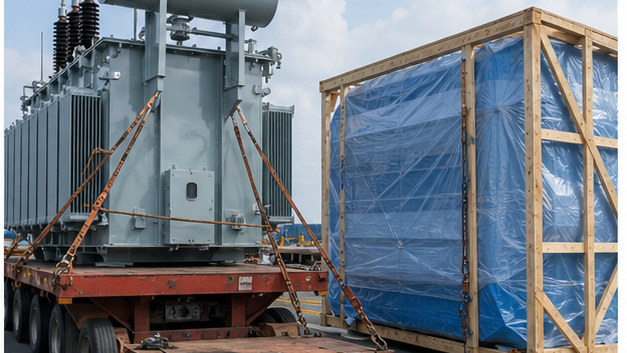
Freight depends on dimensions, weight, fluid shipment, route, crane and delivery terms. Clarify taxes, duties, installation, commissioning, training and spare parts so bids share the same commercial boundary.
Engineering Validation and Safety Boundary
This guide supports specification and procurement; it does not replace a project study, the applicable code, the manufacturer instructions or work by qualified electrical personnel. Verify the following before equipment selection, testing, wiring or energization:
- Reject price comparisons with different electrical or test scope.
- Evaluate guaranteed losses at the actual load profile.
- Check fault strength and impedance against the system study.
- Confirm dimensions, mass, access and site installation costs.
- Assess warranty, references, spare parts and after-sales capability.
Information to Include in the RFQ
A useful quotation must be based on the same technical boundary for every supplier. Include the following information and require all deviations to be listed explicitly:
- kVA, primary/secondary voltages, phase, frequency and vector group.
- Impedance, taps, losses, efficiency, rise, cooling and sound.
- Dry/liquid construction, winding material, enclosure and environment.
- Accessories, protection, monitoring, terminals and cable interfaces.
- Tests, documents, quantity, destination, delivery terms and schedule.
From Technical Data to an Approved Decision
Use a staged review rather than approving the first catalogue match. Begin with electrical ratings that drive cost, then reconcile dry-type versus liquid-filled cost structure with accessories, tests and documentation. Complete the review with lifecycle and commercial comparison. At each stage, record the source document, units, operating case and person responsible for approval. This prevents a value copied from an old drawing, nominal system label or unrelated product from becoming an uncontrolled design input.
Before acceptance, compare the supplier response line by line with the RFQ and mark every exception. Confirm that drawings, calculations, settings, certificates and test reports refer to the exact offered model and revision. Preserve the approved submittal, nameplate data, factory results and commissioning measurements as the maintenance baseline. If a rating, connection, environment or test condition changes, repeat the affected review rather than assuming the original conclusion remains valid.
Document control should identify revision, approval status and superseded files. Field teams should receive the same approved values used for procurement, while commissioning records should capture any authorized change made during installation. This traceability is especially important when equipment is replaced years later: the next engineer needs verified interfaces and test history, not an incomplete description copied from a purchase order.
Coverage Informed by Current Search Results
The current U.S. Google top-20 review repeatedly surfaced themes including 3 Phase 380v to 220v 10kva Transformer Price / Step Down Power Transformer 10kva, Single Phase Transformer, 480V to 240V 3 Phase Step-Down Transformers, Missing Information, 240-480Y/277 Volt 3 Phase Transformers. The article addresses those user needs in an original engineering and procurement sequence; competitor brand navigation and unrelated sales material were excluded.
Related LBAJI Resources
Continue with transformer procurement guide transformer manufacturers guide LBAJI transformer range. These resources help connect the calculation or component decision to a complete transformer, switchgear, control or distribution specification.
Technical References and Further Reading
- U.S. DOE Distribution Transformers — Efficiency requirements and resources.
- IEC 60076-1 — Transformer ratings and tests.
- ENERGY STAR Lifecycle Costing — Lifecycle cost principles.
Conclusion
The best transformer price is the lowest evaluated lifecycle cost for a compliant, testable specification. Normalize ratings, losses, accessories, tests and logistics first; compare commercial totals only after technical equivalence is proven.