
PV combiner box surge protection requires a coordinated design for the actual photovoltaic circuit, its transient exposure and the equipment being protected. A surge protective device, or SPD, limits specified transient overvoltages and diverts surge current within its declared conditions; it does not replace circuit overcurrent protection, isolation or a complete lightning-protection assessment. Buyers should request the exact SPD identity, PV-side suitability, relevant declared characteristics, installation requirements and maintenance arrangements. A box advertised as including surge protection is not sufficient evidence that its configured devices and interfaces suit the project’s array and inverter system.
Define what the SPD is intended to protect
Start with the approved system diagram and identify the relevant circuit boundary. A combiner may sit between array circuits and an inverter input, while the installation can also contain protective measures at other locations. The project engineer must assess the complete arrangement rather than assume one SPD protects every cable and device. Specify which equipment and interfaces are included in the combiner’s protection scope and which remain outside it.
Distinguish transient-overvoltage protection from other protective functions. An SPD is not a substitute for an overcurrent device or an approved disconnecting arrangement. Likewise, its presence does not prove that the installation’s earthing or external lightning-protection requirements have been met. A useful specification names the functions separately and then requires their coordination. This makes it possible to identify missing responsibilities before procurement, instead of discovering them after a cabinet has been delivered with an incomplete component list.
Confirm suitability for the actual photovoltaic circuit
PV DC circuits need devices supported for their particular duties and conditions. Do not assume that an AC SPD is suitable because a voltage number appears similar, or that a generic DC product automatically covers the required photovoltaic application. IEC 61643-31 provides a specific document scope for PV-related SPD requirements and tests; the catalogue page establishes that scope, while the actual offered device needs its own supported evidence and applicable documentation.
Obtain the relevant project circuit information before selecting the device. The engineer and supplier should establish the operating conditions, system arrangement and required coordination. This article does not assign a universal voltage or current rating to an unknown array. Preserve the complete meaning of the device’s declared characteristics and any associated restrictions. Where batteries or other equipment create a different circuit context, review applicability explicitly instead of assuming that a PV-side declaration automatically covers every DC installation.
Review selection and coordination as a system task
IEC 61643-32 addresses selection and application principles within its stated photovoltaic-system scope. Its relevance is that location and coordination matter, not merely the presence of a device in one enclosure. Use the applicable full requirements and project assessment to establish the actual arrangement. Keep the combiner supplier, inverter supplier and electrical designer aligned on the interfaces and the equipment characteristics being protected.
Ask how devices at different locations are coordinated and what installation conditions that coordination assumes. The answer should identify the actual products and system design, rather than use a statement that more SPDs are always better. A change in cable route, inverter arrangement or supplied device can affect the approved assessment. Keep those changes visible in the project records. The final configuration must be supported by the engineering decision and the manufacturer’s instructions for the supplied equipment.
Build an SPD submittal checklist
The following table organizes evidence for a procurement review. It deliberately provides no universal ratings, connection lengths or replacement interval. Those values and decisions require the applicable design and device instructions.
Contenu de référence : IEC 61643-31 photovoltaic SPD requirements scope. Cette liste de contrôle qualitative originale organise les décisions relatives aux projets ; elle ne constitue pas une norme reproduite ni un substitut des critères approuvés.
| Élément à examiner | Documents à demander | Reason for the check |
|---|---|---|
| Device identity | Manufacturer, exact type and relevant documentation | Avoid approval of an unspecified generic SPD |
| PV-side suitability | Supported application scope and declared conditions | Distinguish actual PV duties from unrelated AC or DC uses |
| Protection characteristics | Full characteristic names, values and conditions | Prevent comparison of detached headline numbers |
| System coordination | Engineer-approved locations and interface assessment | Connect the combiner to the wider installation |
| Assembly integration | Approved component and interface arrangement | Establish that the supplied box preserves the design |
| Maintenance | Condition indication, replacement and records | Preserve protection through the service period |
Do not purchase from a headline surge-current number
A single advertised value cannot describe the complete suitability of an SPD. Its characteristics refer to defined duties and assessment conditions. Request the full information needed by the engineer and compare products on the same basis. A numerically larger value is not proof that a substituted device provides equivalent protection in the actual circuit. Device selection must also consider its supported application, coordination and installation requirements.
Keep product evidence separate from a supplier’s marketing description. A brochure may describe a family containing several configurations, while the quotation supplies one exact component. Identify the component in the bill of materials and retain the supporting data. If an offer leaves the device unspecified, ask for clarification before acceptance. This is especially important when an importer expects local replacement parts: the future maintenance process needs a clear identity and compatibility record, not only the statement surge protection included.
Coordinate protective and isolating functions
The combiner design may include other protective or switching equipment alongside the SPD. Their duties should be established separately and coordinated through the approved design. Do not interpret the SPD as a circuit breaker or assume it supplies the necessary isolation for work. Any associated protective requirements and conditions must come from the actual device and assembly documentation. The supplier should explain which components are included and which depend on equipment elsewhere in the installation.
Substitutions require review of the affected relationships. A replacement device that fits the same mounting space may have different requirements, indications or declared conditions. Keep changes under engineering control and revise the component schedule and acceptance records. Avoid asking an installer to resolve missing design information by choosing a familiar part from stock. The procurement package should be complete enough that installation follows an approved arrangement rather than becoming an undocumented design exercise at the site.
Treat connection and earthing interfaces as design inputs
SPD performance depends on its integration into the installation, so the connection arrangement and associated earthing interfaces need the appropriate design review. Obtain approved details and the manufacturer’s instructions. This article does not provide a wiring diagram, conductor size or universal connection-length limit. Those decisions depend on the actual equipment and applicable requirements and must be established by qualified parties responsible for the installation.
Coordinate the box and cable information before fabrication. Unapproved modifications to entries or internal arrangements can affect the assembly and the intended protective design. Identify who supplies the interface parts and who checks completion. Keep records that allow the final installation to be compared with the approved configuration. A photograph of a closed door confirms exterior condition but cannot establish the correctness of hidden connections or prove that the SPD has been integrated as required.
Check enclosure and environmental suitability
The combiner’s environment can affect the complete assembly and its protective components. Describe the location, temperature conditions, contamination and water exposure for the supplier’s assessment. A door warning triangle or robust-looking cabinet is not evidence of a particular environmental designation. Request the actual declaration and the conditions required to preserve it. Protection depends on the completed enclosure and interfaces, not only on the factory-supplied shell.
If equipment will be stored before installation, include preservation responsibilities in the supply and construction plan. Components should not be accepted for service solely because a moisture-exposed box looks dry afterward. Obtain the necessary assessment and release criteria. Environmental measures should remain compatible with the supplied assembly; do not improvise ventilation holes or add unsupported equipment to solve a site problem. The enclosure, device selection and room or mounting conditions must be considered together.
Make condition indication and replacement maintainable
Ask what the supplied device’s indication means and what action the owner should take when its condition changes. The manual should identify inspection requirements and supported replacement arrangements. Do not invent a universal calendar interval or assume a device remains effective indefinitely because it has not visibly failed. The owner needs a defined maintenance process linked to the actual component, exposure history and manufacturer instructions.
Where remote condition information is provided, include its interface and verification in the project scope. A terminal or contact listed in a brochure is not proof that the owner’s monitoring system receives the intended signal. During handover, record what was installed and checked. Keep a compatible replacement strategy and component identity available to maintenance personnel. Any replacement or inspection involving electrical work must follow the actual installation’s approved isolation and verification procedures, not an assumption that stopping the inverter makes every relevant circuit safe.
Accept the supplied configuration on evidence
Review the combiner’s circuit schedule, SPD identity, supporting documentation and approved interfaces before release. Confirm that the delivered configuration matches the accepted submittal through the appropriate authorized inspection process. Record substitutions and unresolved items explicitly. Acceptance should identify what evidence establishes the protective arrangement and what still requires completion at the site. A tick beside SPD fitted is not an assessment of the complete installed system.
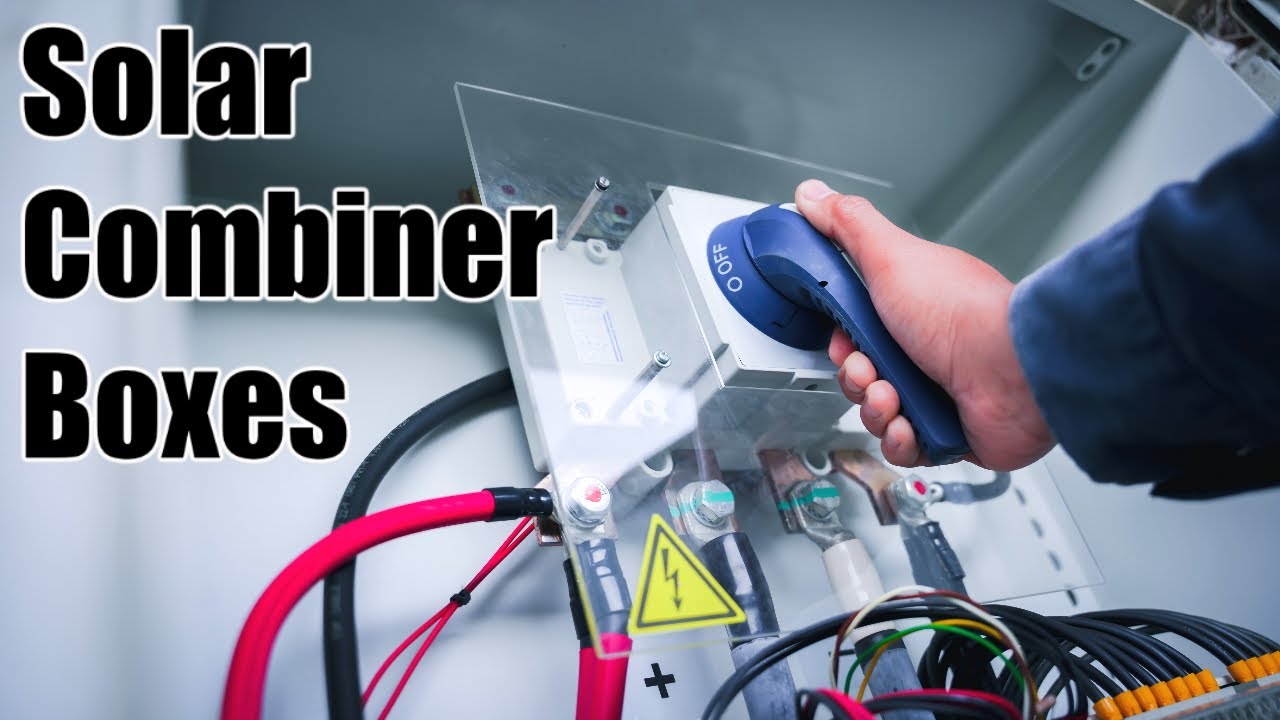
The LHLX-PV24/Z/D images used here reference a real LBAJI DC bus-box exterior. They intentionally do not invent an exposed SPD, wiring layout or project rating. Request the supported configuration for the actual order and the required design records. A good RFQ supplies system information and requires traceable device selection, coordination, installation documentation and maintenance instructions. This creates a defensible surge-protection decision without pretending that exterior appearance or a single catalogue number proves performance for every photovoltaic project.
Foire aux questions
Does an SPD replace a fuse or circuit breaker?
No. Surge protection and circuit overcurrent protection address different functions. The actual installation needs an approved coordinated design for its required protective duties.
Can an AC SPD be assumed suitable for a PV DC circuit?
No. Confirm supported suitability and declared conditions for the actual photovoltaic circuit rather than comparing one voltage number or physical size.
Does one SPD protect every device in the solar installation?
Not automatically. Location, equipment boundaries and coordination need a system assessment under the applicable requirements and manufacturer instructions.
Can surge protection be confirmed from a combiner photograph?
No. Request the exact supplied device identity, circuit arrangement and supporting evidence. An exterior image does not establish internal configuration or protective performance.
What should the maintenance package include?
Include device identity, indication meanings, approved inspection and replacement instructions, compatible spare information and the records for any monitoring interfaces.
Sources techniques et équipements connexes
Les pages du catalogue standard définissent le champ d’application du document ; la conformité et l’acceptation requièrent la consultation des documents complets applicables ainsi que l’examen de l’ingénierie du projet.
- IEC 61643-31 photovoltaic SPD requirements scope
- IEC 61643-32 photovoltaic SPD selection and application scope
- U.S. Department of Energy solar photovoltaic basics
- 29 CFR 1910.333 – pratiques de travail électrique – édition officielle 2025
- LBAJI photovoltaic DC bus box
- PV combiner box fundamentals
- DC combiner equipment selection
- 24-string combiner scope
Formation continue : fonctions des équipements
This independent educational introduction explains the equipment background. It does not demonstrate a safe work procedure for the specific assembly. Source: Solar Solution.