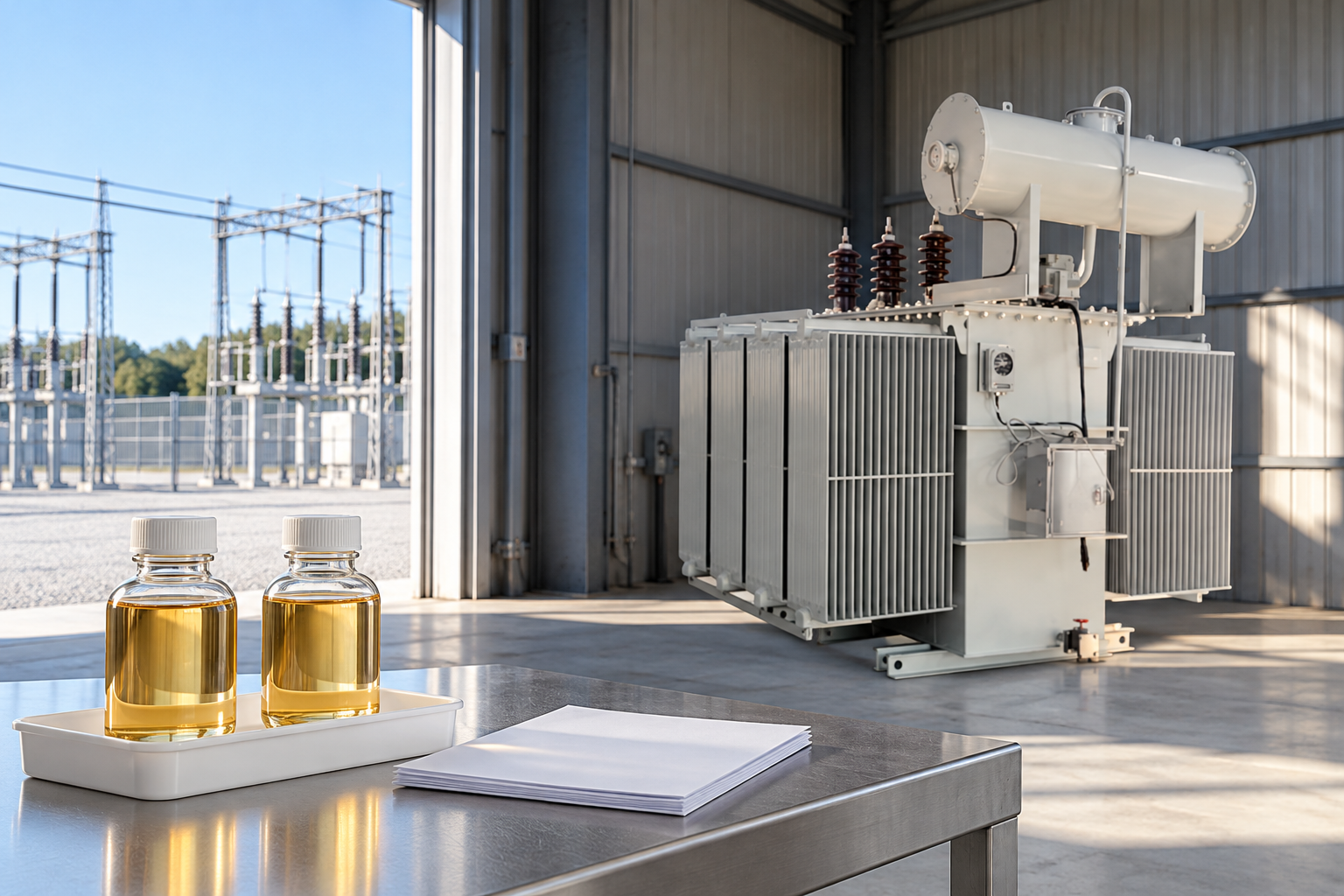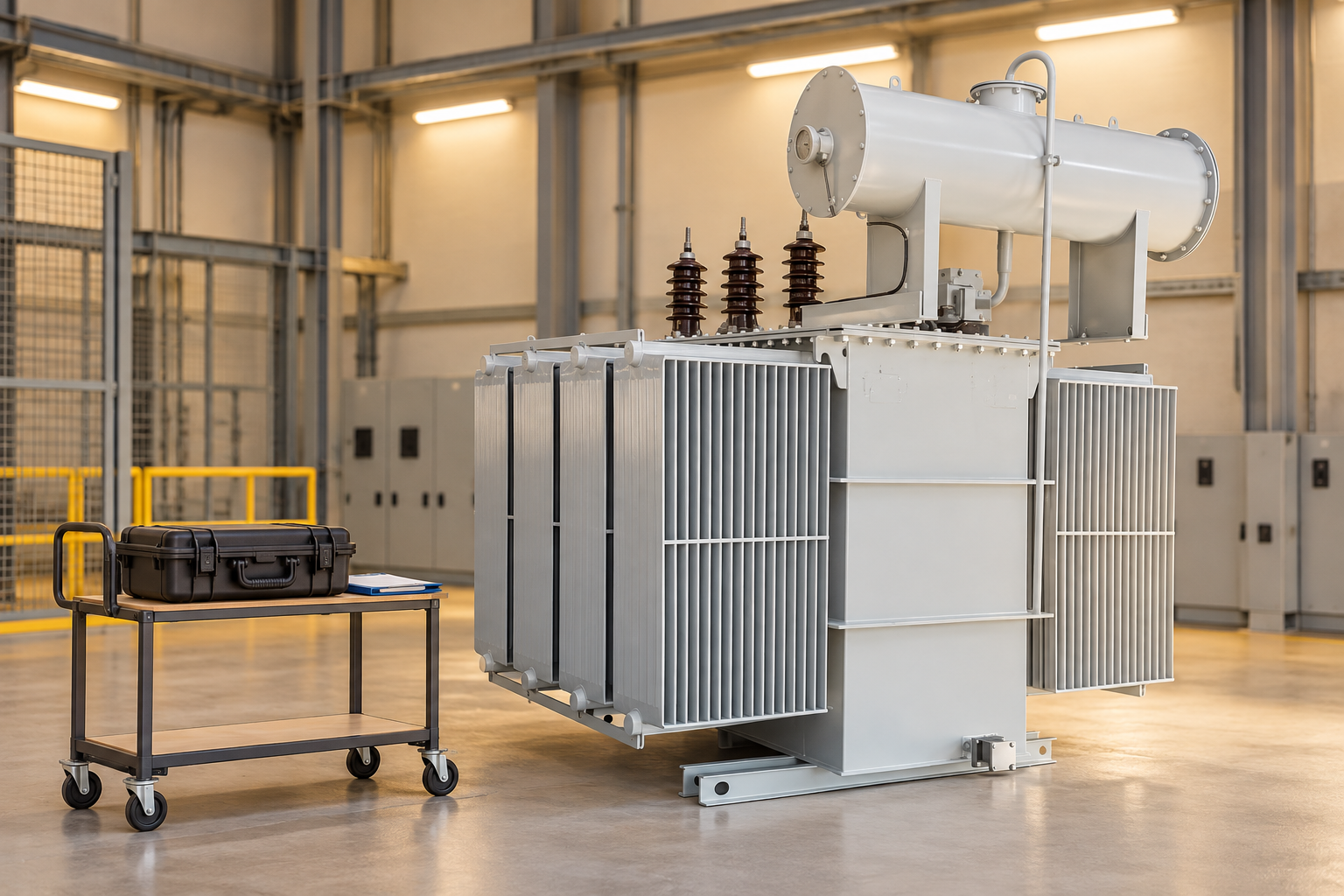

A transformer oil acidity test measures the acid number, often called the neutralization number, of an insulating-liquid sample. The result is normally expressed as milligrams of potassium hydroxide equivalent per gram of oil, or mg KOH/g. It helps assess fluid deterioration, but it does not directly measure paper strength, winding condition or remaining transformer life. A useful review starts with the fluid identity and laboratory method, then compares compatible results against the applicable maintenance criteria. Treat a change in acid number as a question to investigate, rather than an automatic instruction to replace the transformer.
What the acid number actually represents
The reported quantity describes the sample’s response under a specified analytical method. It is not a measurement of free potassium hydroxide inside the transformer. Potassium hydroxide provides the reference equivalent for expressing the amount of titratable acidic material. This distinction matters when explaining a report to purchasing teams: a rising number describes a chemical condition of the sample, not a new substance deliberately added to the equipment.
Acid number should also be distinguished from pH. An insulating-oil report cannot be interpreted as though it were a simple aqueous solution. Asking whether transformer oil has a safe pH can lead to the wrong specification, instrument and comparison. Ask for the recognized oil-analysis method, its reporting units and its suitability for the actual fluid instead.
Establish the fluid and asset before comparing results
Begin with the transformer serial number, sample location and fluid type. Main-tank oil and a separately maintained tap-changer compartment may have different operating histories. A result from one compartment cannot silently replace the baseline for another. If the laboratory receives only a handwritten asset nickname, resolve the equipment identity before the report enters the maintenance database.
Record whether the liquid is mineral insulating oil or another fluid family, and whether the oil has been replaced, reclaimed, mixed or topped up. Different chemistry and maintenance histories can affect interpretation. A guide written for mineral oil should not become an acceptance rule for an ester-filled unit merely because both equipment types are called oil-immersed transformers.
Choose and retain the analytical method
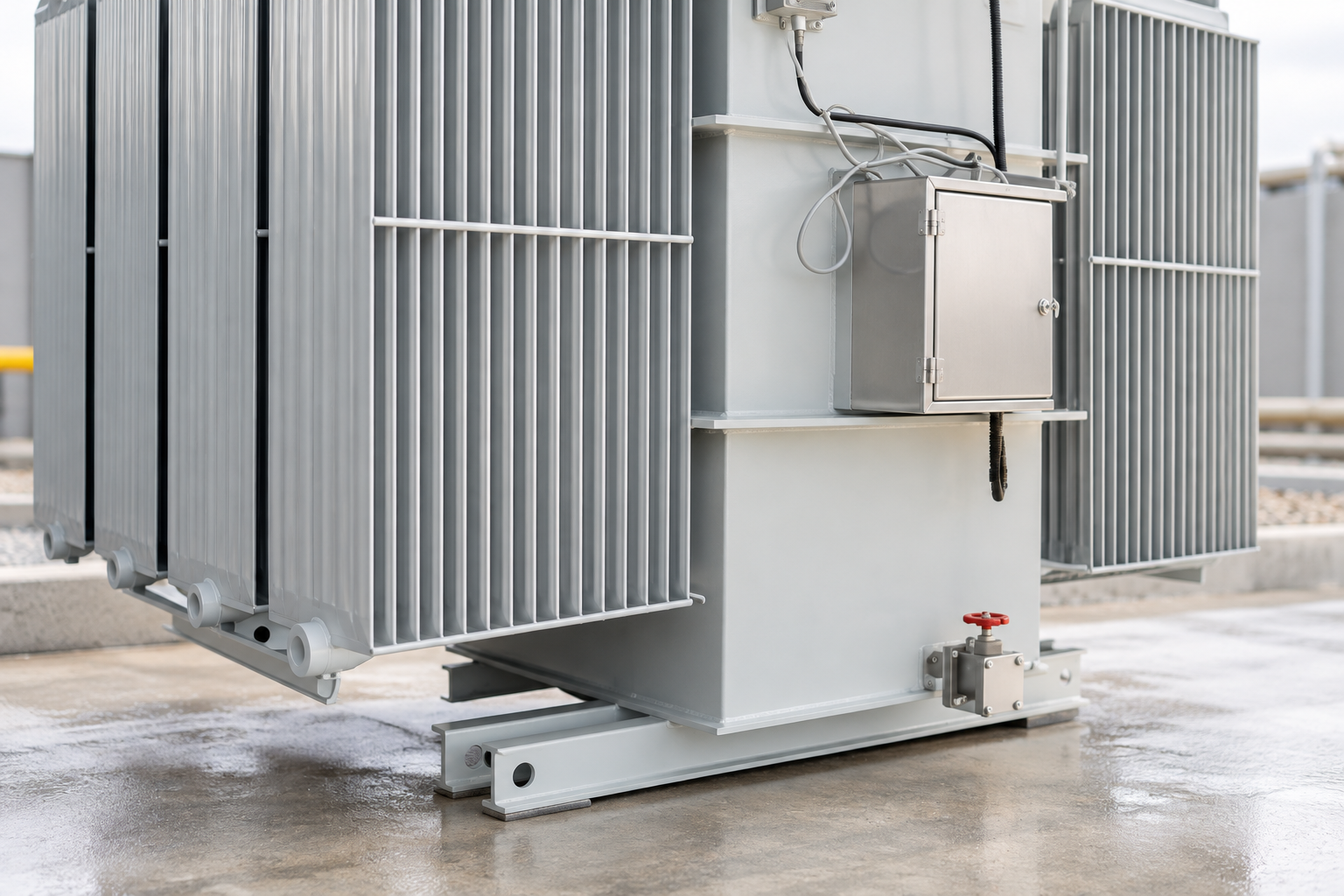
ASTM D974 describes acid and base number measurement by color-indicator titration. Other recognized methods use different endpoint approaches. The method identifier and edition belong on the laboratory request and report; a generic entry saying acidity is insufficient for a long-term asset record. The responsible laboratory should confirm that the selected method is appropriate for the fluid and required concentration range.
A result from one method should not automatically be spliced into a trend created by another. If a laboratory or method changes, ask whether a bridging comparison is needed and retain the explanation. Differences in endpoint recognition, sample preparation and reporting resolution can become significant when the observed change is small. Do not interpret every final decimal as evidence of an operational event.
Prepare a sample that answers the intended question
Arrange sampling through competent personnel using the approved site procedure. Confirm the bottle type, quantity, handling instructions and transport arrangements with the laboratory before work begins. This article does not give valve-opening or live-equipment instructions. HSE HSG85 provides the broader safe-working framework; the actual task still requires equipment-specific controls and authorization.
Keep the sample chain clear. Record the sampling date, compartment, sample point, collector and any relevant recent maintenance. Avoid substituting an unverified spare container simply because it looks clean. An unexplained bottle change or uncertain sample identity weakens the decision before analysis even starts. If the sample is compromised, document the problem and arrange a replacement rather than hiding the uncertainty in a normal-looking report.
Read the report in a consistent order
Check identity first, followed by method, units and laboratory observations. Then review the value against earlier compatible samples and the applicable criteria. A laboratory comment should be read together with the underlying result, not copied into an alarm field without context. If a report has been corrected, retain the superseded version and identify which version supports the maintenance decision.
| Tinjau item | Apa yang harus diverifikasi | Why it changes the decision |
|---|---|---|
| Fluid and compartment | Same liquid family and same sampled compartment as the baseline | Prevents comparison of different oil populations |
| Method and units | Method identifier, edition and mg KOH/g reporting basis | Prevents a method change from looking like deterioration |
| Maintenance history | Oil addition, replacement, reclamation and sampling dates | Explains discontinuities that operating age alone cannot explain |
| Trend quality | Comparable samples, uncertainty and laboratory comments | Separates a defensible change from an unresolved anomaly |
| Action basis | Applicable owner criteria and responsible engineering review | Avoids applying an unrelated generic threshold |
This is a report-review checklist, not a table of acceptance limits. The Bureau of Reclamation maintenance reference explains acid number in the context of oil diagnostics, while the ASTM method defines the analytical measurement. Neither a historical handbook value nor an isolated internet chart automatically establishes the current acceptance requirement for a particular installation.
Compare a sequence rather than one isolated value
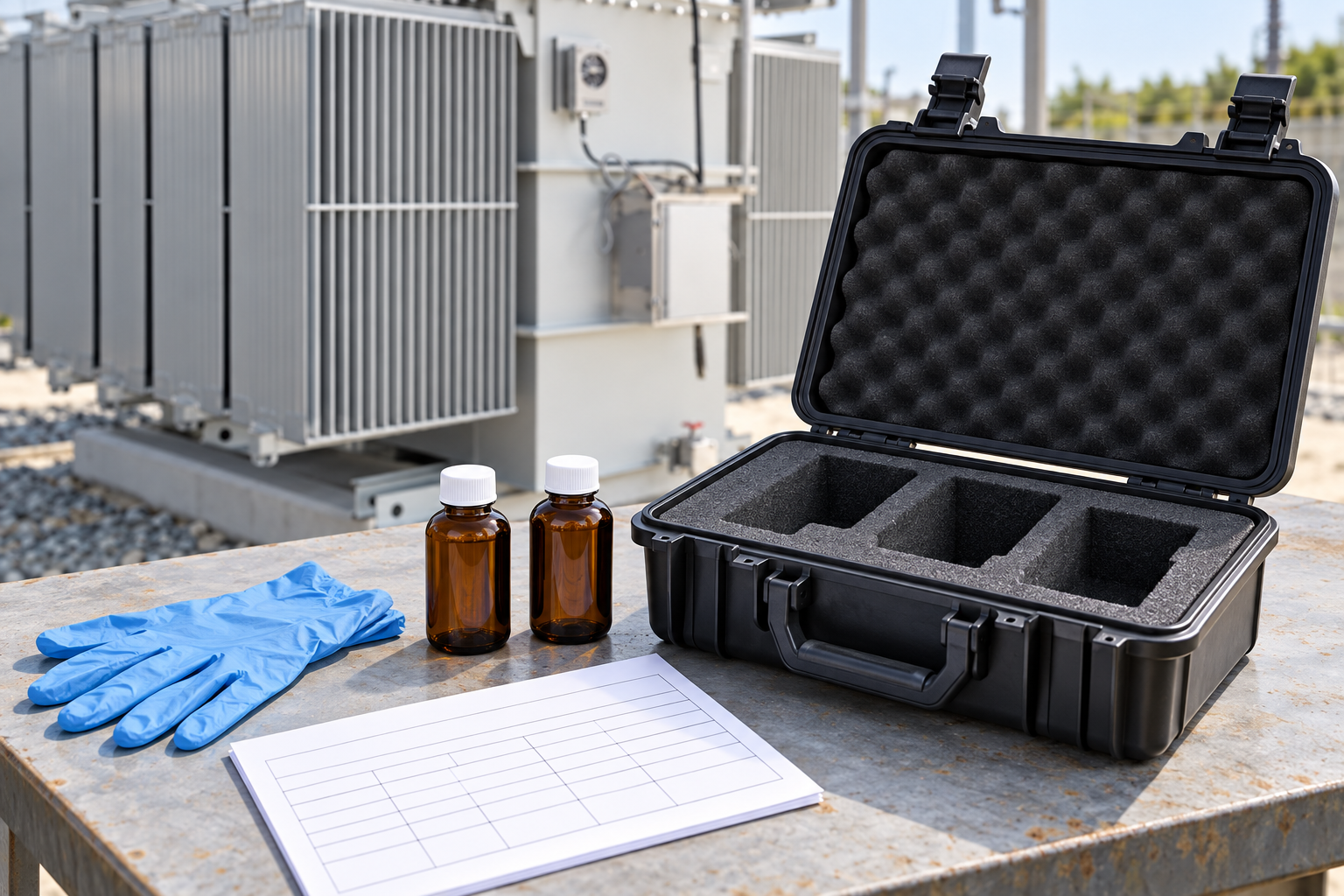
A stable sequence provides a different question from a sustained rise. Before drawing that distinction, check whether sample intervals, methods and maintenance events are recorded consistently. A spreadsheet line connecting several numbers can suggest continuity even when the fluid was changed between samples. Mark such events visibly and preserve the original reports.
For example, suppose an owner receives a higher acid-number result after moving to a new laboratory. A reasonable first review asks whether the sample came from the same compartment, whether the methods match and whether the difference is meaningful within the laboratory’s measurement capability. This is a hypothetical decision sequence, not a numerical test result or a claim about LBAJI equipment. It shows why data validation precedes diagnosis.
Read acidity alongside complementary oil tests
Acid number contributes one part of a fluid-condition assessment. Interfacial tension, moisture, dielectric breakdown behavior, dielectric losses and dissolved-gas information address different questions. An acceptable result in one category cannot cancel an unresolved issue in another. Likewise, acid number alone cannot identify the location or severity of every internal problem.
Ask the assessor to explain why each additional test is relevant to the concern. A broad test package is useful only when its results can support a decision. For example, a question about oil deterioration needs different evidence from a question about an active electrical fault. Keep the chemical-fluid assessment and the electrical-condition assessment connected without pretending that they measure the same property.
Distinguish oil treatment from transformer replacement
Oil processing, reclamation and replacement are different interventions and should be proposed with defined objectives. A process intended primarily to remove water or gas should not be assumed to correct every chemical degradation issue. Ask what property the proposed treatment addresses, what verification follows and how the remaining uncertainty will be monitored.
Changing the oil also does not prove that the solid insulation or other internal components have returned to a new condition. The maintenance plan should state the equipment-level concern, expected fluid improvement and post-treatment baseline separately. This prevents a cleaner laboratory report from being presented as a complete restoration of the transformer.

Avoid universal acidity limits
The relevant action criteria depend on the fluid, equipment application, owner policy and governing maintenance specification. Do not copy a historical limit into a new procurement document without checking its scope and edition. Published diagnostic guidance can explain the measurement while still being unsuitable as a contractual pass/fail requirement for the actual unit.
When a supplier or laboratory recommends action, request the exact basis: which criterion applies, whether the result is confirmed, what trend is involved and what consequences are being managed. A recommendation that says only high acidity provides too little information for either a maintenance authorization or a replacement purchase. Document both the technical reason and the accountable decision-maker.
Specify laboratory deliverables before ordering
An enquiry should identify the equipment, fluid family, compartment and purpose of the test. Request the method, units, reporting capability, sample requirements and expected turnaround. Ask how unexpected results are handled, whether retained sample reanalysis is possible and how amendments are issued. These practical questions reduce the chance of paying for a result that cannot be compared with the existing record.
For a maintenance package involving an LBAJI 35kV oil-immersed transformer, connect the request to the actual nameplate and supplied documentation. The product image identifies an external equipment family; it does not establish the installed fluid condition, internal paper grade or a factory test result. Confirm those details from the specific unit’s documents rather than inferring them from a catalogue photograph.
Close the review with a traceable action
The final record should identify whether the result is accepted for continued trending, needs confirmation or requires an engineering-led maintenance response. State the next review trigger and retain the supporting reports. A note saying monitor oil without identifying what will be monitored, by whom and against which baseline is difficult to execute or audit.
If the evidence is incomplete, preserve that status explicitly. An uncertain sample can justify resampling; incompatible methods can justify a laboratory discussion; a confirmed adverse trend can justify a treatment assessment. Each response addresses a different problem. Keeping those distinctions clear makes the acidity test useful for planning while avoiding unsupported claims about safety, service life or replacement necessity.
Pertanyaan yang sering diajukan
Is transformer oil acidity the same as pH?
No. Oil acidity is normally reported as an acid number under a specified analytical method. It should not be interpreted as an aqueous pH reading.
Does a high acid number prove the transformer must be replaced?
No. It requires assessment of fluid condition, compatible trends, applicable criteria and other equipment evidence. The result alone does not establish remaining transformer life.
Can results from different laboratories be compared?
They can be reviewed together when fluid identity, sampling basis, methods, units and measurement capability are compatible. Document changes and resolve important differences before extending a trend.
Does replacing the oil reset the condition of the paper insulation?
No. An improved oil report does not prove that solid insulation has recovered. Record oil interventions and assess the equipment separately.
Related equipment and guides
- LBAJI 35kV oil-immersed power transformer
- Panduan Lengkap Dasar-Dasar Transformer
- Transformer Oil Sampling: DGA Containers, Records and Sample Integrity
- Moisture in Transformer Oil: PPM, Saturation and Maintenance Decisions
Technical references
- Bureau of Reclamation: Transformers, Basics, Maintenance and Diagnostics (2005; historical background)
- ASTM D974: Acid and Base Number by Color-Indicator Titration (method scope)
- HSE HSG85: Electricity at work, safe working practices
Further learning: Titration endpoints and method choice
This NPTEL university lesson explains potentiometric titration and analytical endpoints. It provides background for understanding why endpoint methods must be identified. It is not an ASTM D974 oil-analysis demonstration: D974 uses a color-indicator approach, and the laboratory must follow the applicable complete oil method. Source: NPTEL-NOC IITM.