
For a broader view, see our dry-type transformer design and selection guide.
Modern-day electrical power distribution systems rely on the 400KVA dry type transformer as an important component. This effective electrical energy distribution method allows many large industrial facilities, commercial buildings, and a number of unit substations to use these types of transformers due to their efficiency in distributing energy, safe operation, and ease of installation. This article discusses the design, construction, operation, cooling characteristics, and reasons for the high efficiency of the 400 KVA dry type transformer. It will provide the reader with a comprehensive overview of how they are built and how they function, as well as answer all of your questions about the 400KVA dry type transformer, whether you are interested in this type of transformer as a potential purchase, for personal information or both.
Understanding the Components of a 400KVA Dry Type Transformer
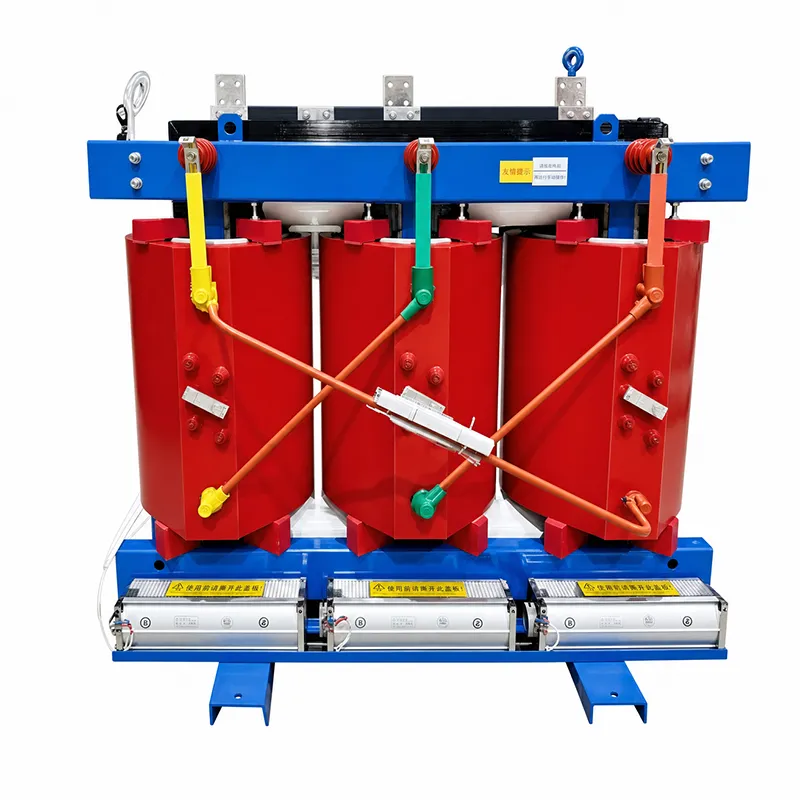
A 400 KVA dry transformer contains several key components that work together to provide reliable operation. This article provides an overview of the components:
1. Core: A very high-quality steel core (silicon steel) was used to minimize losses due to magnetic field leakage and to help transfer the magnetic flux between windings.
2. Windings: When made from aluminum or copper, the insulations of the windings are built to withstand an incredibly large amount of current. They play a critical role in the transfer of energy and creation of magnetic flux.
3. Epoxy Resin Insulation: Unlike the oil-based insulation solutions used in transformer designs, which may contain similar components to the 400KVA transformer shown above, dry-type transformers utilize epoxy resin as the dielectric to insulate and protect their windings. This results in a much lower fire hazard and provides for an environmentally friendly transformer design.
4. Housing/Enclosure: Due to the strength of the outer casing of the transformer, all of the internal parts of a transformer are protected from environmental elements (e.g., dirt), water, or any other type of damage caused by outside forces.
5. Terminal Connections: These enable the secure connection of input and output power for safe energy distribution.
Cooling Methods for a 400KVA Dry Type Transformer
The importance of cooling in a 400KVA dry-type Transformer cannot be overstated regarding both efficiency and life expectancy. The unique aspect of a dry-type transformer is that it does not use liquid refrigerants (such as mineral oil), but rather utilizes air as its cooling medium. Outlined below are the main methods of cooling:
1. Air Natural Cooling (AN): In this approach, the heat produced during the operation will be removed from the transformer via passive air circulation around the transformer unit. This method is used for small to mid-sized transformers or applications with low to moderate amounts of load.
2. Forced Air Cooling (AF): With dry-type transformers larger than 400kVA, forced-aired cooling is typically employed using fans/blowers that assist in moving air over the transformer’s components. As a result, forced-air cooling improves the cooling efficiency of the transformer and is frequently applied in industrial applications.
3. Heat Dissipation through Fins: Many dry transformers are designed with fins, which are incorporated into the transformer housing to enhance the surface area of the transformer and therefore provide additional heat dissipation, even in the absence of any external cooling fans.
4. Improved Ventilation Systems: Utilizing high-tech ventilation systems in unit substations allows for maximum airflow within a space. Using this method will eliminate hotspots and assist with the thermal management of large dry type transformers.
How to Enhance Cooling for a 400KVA Dry Type Transformer
To achieve efficient cooling of a large 400KVA dry type transformer installed in your unit substations, please be guided by the following actions:
1. Install Additional Fans: Adding strategically placed fans can improve airflow across the core and windings.
2. Improve Room Ventilation: Make positive the area that houses your transformer has enough fresh airflow for proper cooling of the transformer.
3. Perform Regular Maintenance: The maintenance of airflow efficiency throughout the entire life span of a building’s ventilation system can be accomplished by cleaning out any obstructions in the ventilation system.
Efficiency of a 400KVA Dry Type Transformer
High efficiency is one of the main advantages of a 400KVA dry type transformer and can be found at efficiencies usually between 98% and 99%. This is why 400 KVA dry type transformers provide excellent performance:
1. Reduced Core Losses: The core of the transformer is made from silicon steel to reduce losses from hysteresis and eddy currents and achieve the highest efficiency in converting electrical energy.
2. Low No-Load Losses: Thanks to the use of advanced materials and design, these transformers continue to provide very high efficiencies even under low load conditions.
3. Eco-Friendliness: By eliminating oil from these transformers, those used in industries and cities will have a lower impact on the environment and therefore are a more sustainable option.
4. Resiliency Against Overheating: Transformers are purposely engineered to be capable of functioning in extreme temperatures. They can operate reliably over long periods of time as a result.
Dimensions and Space Requirements
Understanding the space requirements and dimensions of a 400KVA dry type transformer is critical for the installation. This depends on the manufacturer of the transformer, but in general, a dry type transformer is designed to occupy less space than an oil-filled transformer. Therefore, if you are facing space limitations, consider a dry type transformer as your best choice.
For example, an average 400KVA dry type transformer may have dimensions such as:
- Length: 1800 mm
- Width: 1050 mm
- Height: 1500 mm
- Weight: Approximately 1500-1800 kg
Because these numbers can change slightly (so do check back with the manufacturer/suppliers before confirming your purchase or installation), they are approximated based on some assumptions made at the time of publication.
FAQs about 400KVA Dry Type Transformers
What are the cooling methods for dry type transformers?
Typically, dry-type transformers utilize either natural or forced air for cooling, as well as finned surfaces to dissipate heat from the winding circuits. Enhanced ventilation systems may also be used to cool dry transformers.
What are the cooling methods to cool a transformer?
There are multiple ways that a transformer can be cooled, including but not limited to natural air cooling, forced air cooling, rare cases of water cooling, and also improved interior ventilation systems.
What is a way to increase cooling on a large dry type transformer used in a unit substation?
Installing extra fans, improving ventilation in the room, and adding more fins to increase the surface area will increase the cooling capacity of a big dry-type transformer. Regular cleaning and servicing of the cooling equipment are also necessary for maximizing thermal performance.
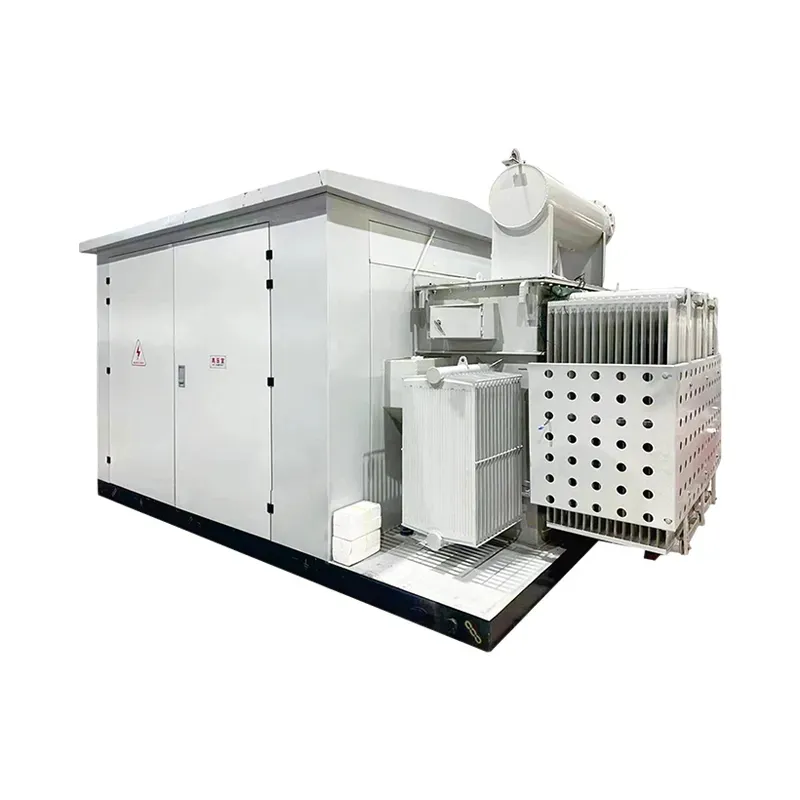
If you want a transformer that offers safety, reliability and low maintenance, then consider using a 400KVA dry type transformer. The 400KVA dry type transformer has all the necessary features to perform well over time and is made from efficient components, advanced cooling technologies, and environmentally friendly materials, which gives it the advantage over traditional oil-filled transformers. Therefore, whether you plan on using one in an industrial setting or a commercial building, it is very important to evaluate the features of the transformer you are installing and to ensure proper planning of cooling in order to maximize its worth during its life cycle. If you are considering purchasing a 400KVA dry type transformer, it would be a good idea to speak with professionals to help determine the solution that works best for your power requirements.