
For a broader view, see our dry-type transformer types and ratings guide.
In the electric utility industry, in terms of efficient and safe electrical power distribution, it is imperative that you choose an appropriate transformer type when considering different voltage classification types in relation to your system needs. A prime example of this would be a 160KVA dry type transformer, which can be used in multiple applications and has numerous advantages over other types of transformers. This article provides an overview of the features, application areas and benefits of using dry type transformers for industrial/commercial applications.Features of 160KVA Dry Type Transformers
The 160 KVA dry type transformer offers dependable operation in many different environmental conditions. Compact design does not use fluid cooling and is eco-friendly compared with oil-cooled units, since no fluid is needed to cool the transformer. Some of the main attributes are: 1. “Air-Cooling Design”: A dry type transformer uses air to cool the core and windings compared to an oil-filled transformer. This feature reduces the potential for environmental hazards created by using oil. 2. Minimal maintenance requirements: Many dry transformer designs require very little to no maintenance and can result in lower costs to operate the unit over a long period. 3. High Efficiency Rating: Utilization of High Efficiency (HE) Transformers allows improved electrical energy efficiency; therefore, less energy is lost through the distribution of electricity when they are used. 4. Fire Prevention: Dry type transformers are much safer than oil-filled transformers due to the lack of combustible liquids and are often placed away from walls with strict fire prevention requirements.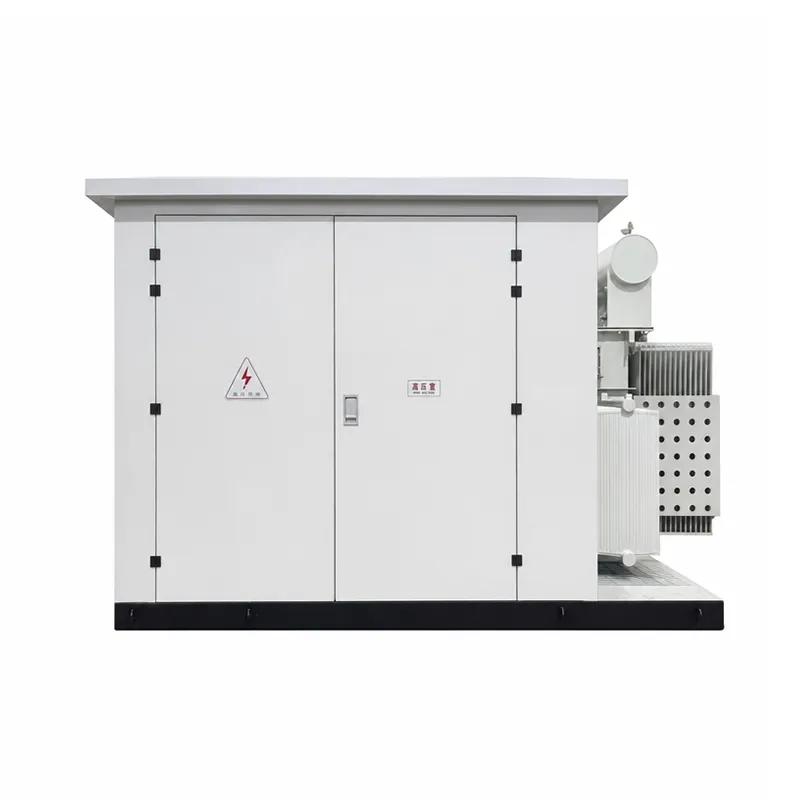
Applications of 160KVA Dry Type Transformers
Knowing how the 160KVA dry type transformer will be applied will help people think about whether or not they might want to use a dry type transformer. These types of transformers have common applications which include: Commercial buildings supply electrical service for Lighting, HVAC systems, and other operational needs. – Industrial Facilities: Factories and manufacturing plants utilize them for machinery and production lines. Solar and wind energy facilities usually contain renewable energy plants where the electricity created can be converted into electricity for transmission to power lines. – Data centers require an unbroken supply of electrical energy, which can best be achieved using dry-type transformers.Advantages and Disadvantages of Dry Type Transformers
Dry type transformers, like many other technologies, can provide numerous benefits; however, they can also include some disadvantages Some of the advantages include: 1. Safety: Non-oil transformers are less dangerous than oil-filled transformers due to their lower fire risk. 2. Longevity: If your dry-type transformer is properly installed and maintained, you can expect it to last 20-30 years. Flexible installation is possible for many places, including indoors and outdoors without the need for any special types of containment systems due to their characteristics. However, there are some considerations: 1. The upfront expenses incurred in the purchase of dry type transformers may exceed those associated with oil transformers due to a greater outlay accompanying the purchase of dry-type units. 2. Capacity Constraints: Many applications are able to operate effectively at 160 KVA, but larger facilities may find they need additional power capacity to meet their power requirements.What is the Useful Life of a Dry Type Transformer?
A 160 KVA dry type transformer can last for 20 to 30 years if it is well-maintained and subject to proper operating practices. It is possible that some transformers may last Chireus 30 years. Proper maintenance through routine inspections and operating within design guidelines will allow transformers to achieve their maximum operating life expectancy.Frequently Asked Questions
What are 160KVA dry type transformers used for? Dry type transformers are employed for the purpose of raising or lowering the voltage within commercial buildings, industrial facilities and data centres where low maintenance and fire safety are essential factors. What are the advantages and disadvantages of dry type transformers? Advantages include environmental safety, low maintenance requirements, and longevity. Disadvantages primarily revolve around higher initial costs and limited capacity compared to oil-filled transformers. What is the useful life of a 160KVA dry type transformer? Properly maintained dry type transformers can last between 20 to 30 years, with regular inspections contributing to a longer lifespan. In conclusion, the 160KVA dry type transformer is an efficient and versatile solution for various applications. Its benefits, such as fire safety, low maintenance, and high efficiency, make it a wise choice for businesses seeking reliable power solutions. As you consider your options for electrical distribution systems, weighing the benefits of a dry type transformer could lead to long-term savings and enhanced safety in your operations.