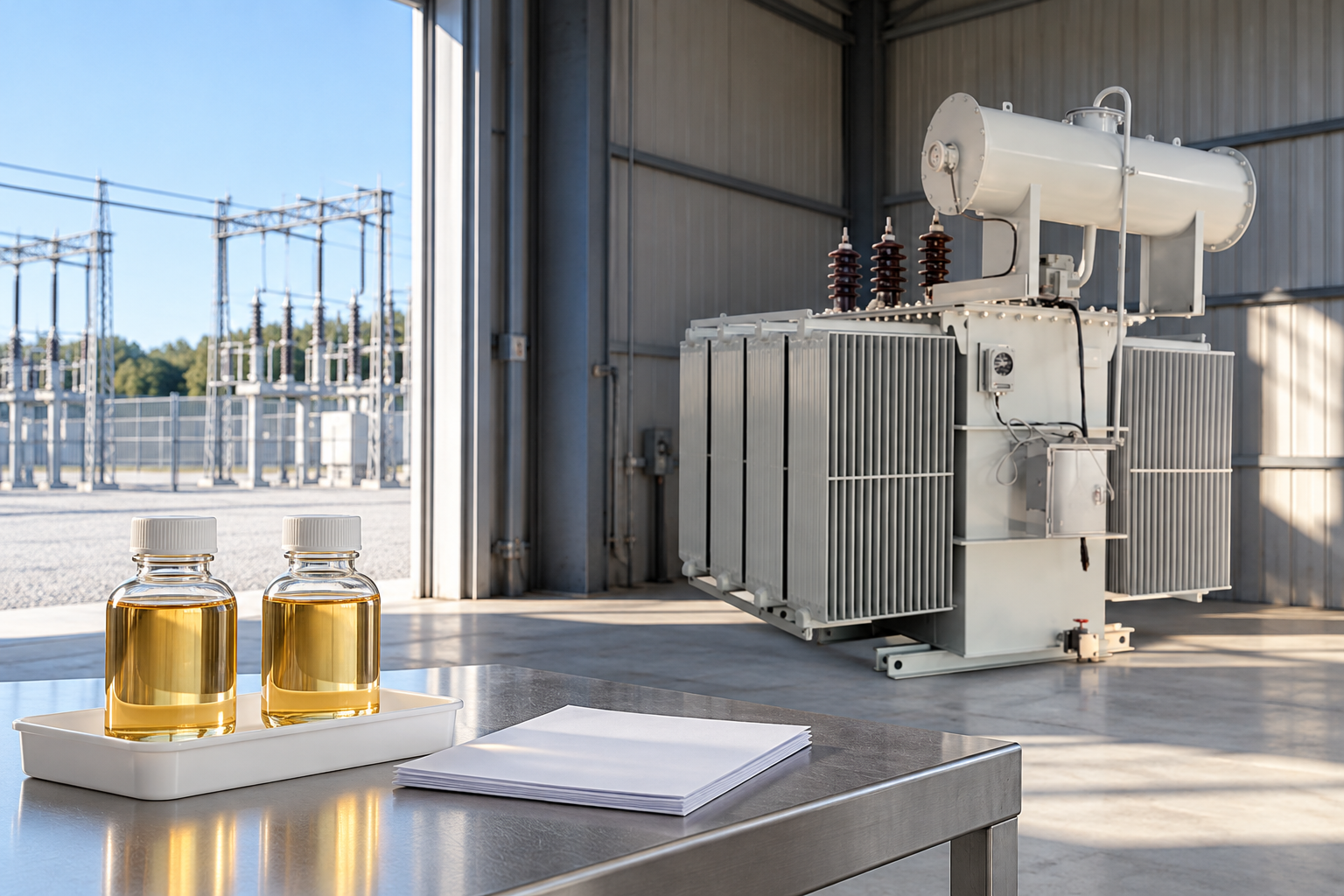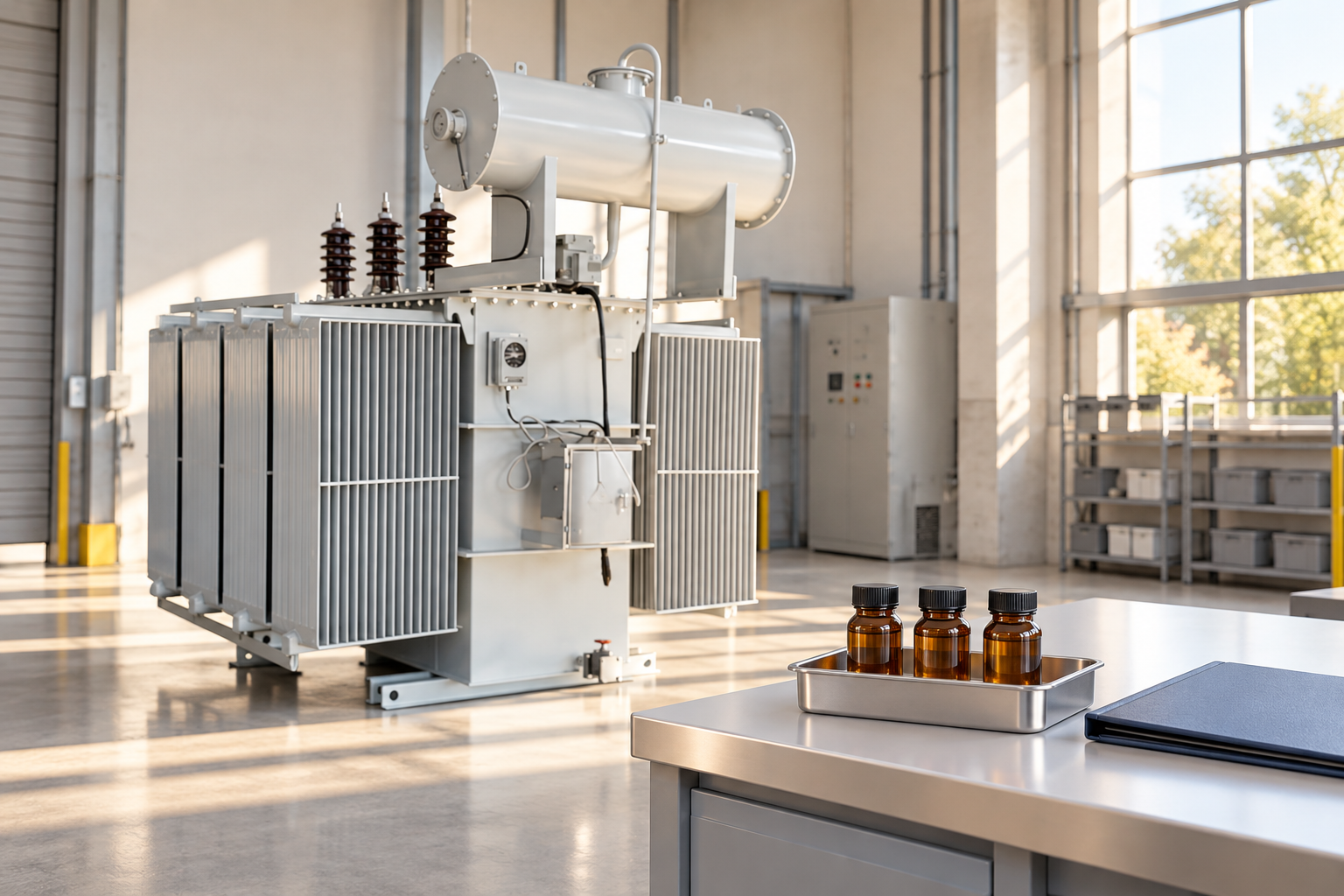

Transformer temperature rise limits describe how hot windings and oil may run above ambient at rated load—and they quietly set size, cost, and service life.
Procurement teams who copy rise values between projects can end up paying for capacity they cannot use at hot sites, or shortening insulation life elsewhere. This guide explains the classes and the RFQ wording that keeps bids comparable.
Collect the real ambient profile of the installation site before specifying anything.
Part 1. What temperature rise actually limits
Rise limits cap the steady-state temperature increase of windings—and top oil in liquid designs—at rated load under standard ambient assumptions.
They exist to protect insulation: sustained operation a few kelvin hotter than the design point measurably accelerates thermal aging for common insulation systems.
For related context, see the loading guide for oil immersed power transformers.
For related context, see the dry type vs oil immersed comparison guide.
Part 2. Rise limits by technology and insulation class
Different designs meet different ceilings under the same logic.
| Design | Common rise basis | Reference |
|---|---|---|
| Oil-immersed (ONAN) | 60 K top-oil and 65 K average winding rise | IEC 60076-2 |
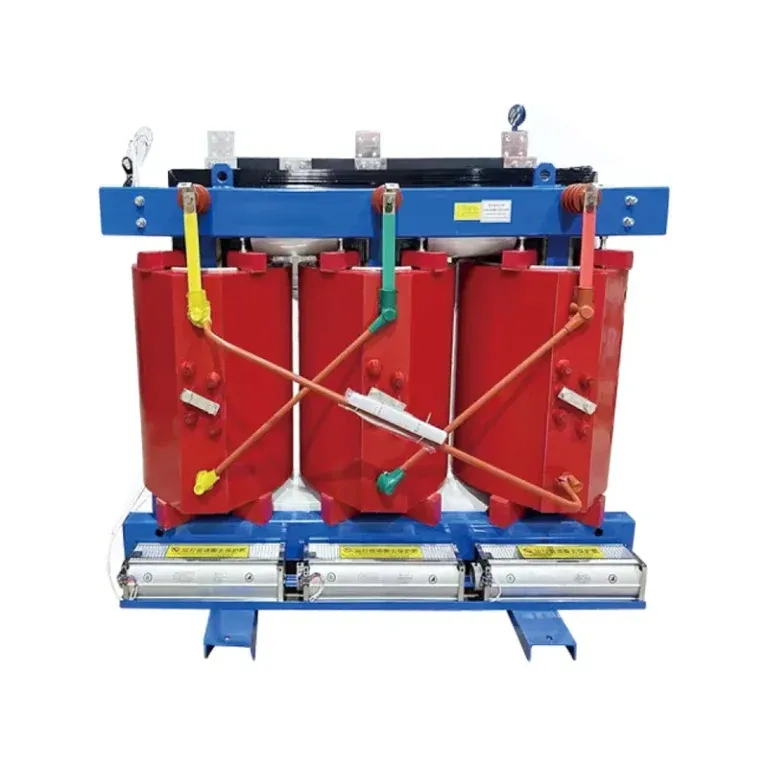
| Dry-type, class F system | Winding rise ceiling matched to a 155-class insulation system | IEC 60076-11 |
| Dry-type, class H system | Winding rise ceiling matched to a 180-class insulation system | IEC 60076-11 |
| Reduced-rise designs | Lower rise purchased as loading margin | Project specification |
Catalog rise values are reference data; guaranteed figures appear on issued drawings and are proven by temperature rise type tests.
Part 3. Ambient assumptions and derating
Standard ratings assume a defined ambient set—commonly a 40 °C maximum with lower daily and yearly averages.
Sites hotter than the standard basis need derating or a reduced-rise design to preserve insulation life.
Altitude above 1000 m thins the cooling air as well; declare it in the RFQ so the factory adjusts the design.
Part 4. Cooling designations and rise
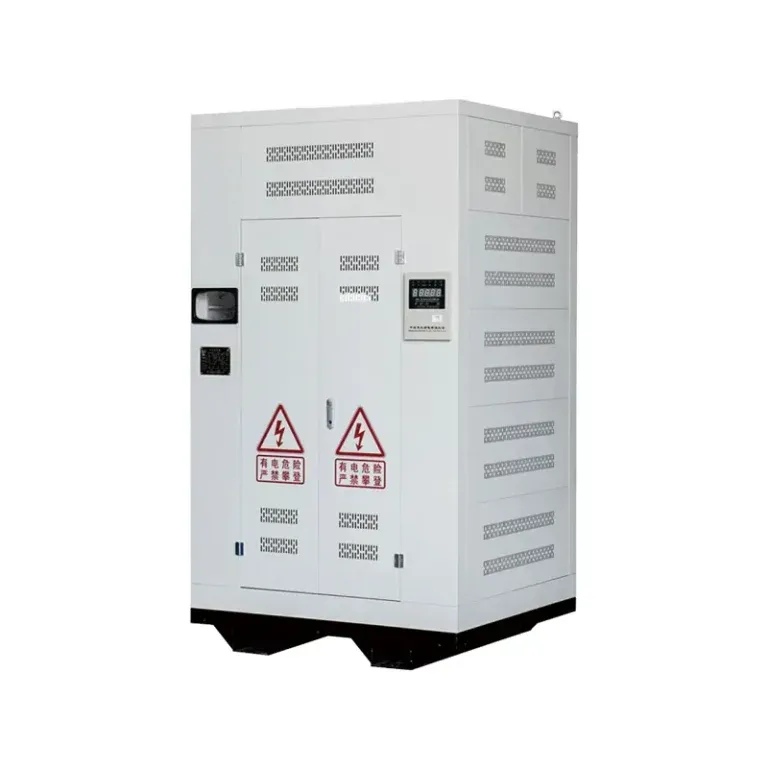
ONAN and ONAF for oil designs, and AN or AF for dry-type designs, define how the rise limit is met at each declared rating.
A fan-boosted rating meets the same rise ceiling at higher kVA, at the price of fan maintenance and control wiring.
Confirm which rating the quoted losses refer to—the cooling method and enclosure change both loss figures and audible noise.
Part 5. Buying with rise in mind
A lower-rise unit runs cooler at the same load, buying overload headroom and longer insulation life at higher first cost.
State the required rise class, the ambient set, and any overload expectation in the RFQ instead of asking generically for a robust design.
Verify compliance through the temperature rise type test report referenced in the contract.
Part 6. Product recommendation and Fit Boundary
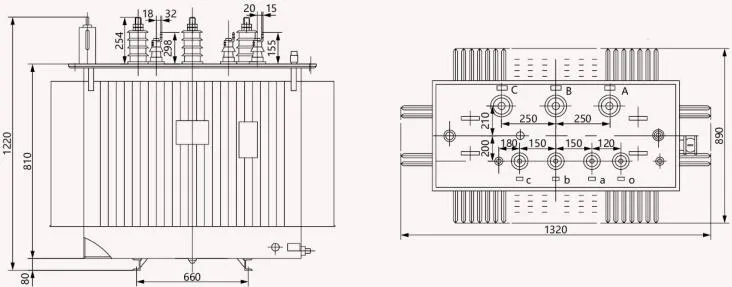
Product recommendation: Temperature rise interacts with cooling class—confirm both at series selection. Start at the transformer product category, then review the SC(B) resin insulated dry transformer series and the S□-M oil-immersed power transformer series against the approved specification.
| Better fit | Poor fit without extra study |
|---|---|
| Sites with documented ambient and altitude data | Copying rise values from a different climate zone |
| Buyers matching rise class to loading strategy | Assuming fans can rescue an undersized specification later |
| Projects verifying rise through type test reports | Comparing bids quoted on different ambient bases |
Submit the rated kVA and voltage combination, vector group and tap range, no-load and load losses, cooling method and enclosure, and short-circuit impedance target through Contact Us for model-specific confirmation.
Part 7. Common temperature rise mistakes
- Specifying standard rise for a 50 °C site without a derating review.
- Mixing rise classes between bids and comparing prices directly.
- Ignoring altitude effects on both oil and dry-type cooling.
- Treating rise limits as operating targets rather than ceilings.
- Omitting the ambient basis from the RFQ ratings table.
- Forgetting that overload plans depend on rise margin and cooling stages.
FAQ
What is transformer temperature rise?
The permitted steady-state temperature increase of windings and oil above ambient at rated load, defined in IEC 60076-2 for oil units and IEC 60076-11 for dry-type units.
What does a 65 K winding rise mean in practice?
At a 40 °C ambient the average winding may reach about 105 °C at rated load, with hot spots running higher inside design allowances.
How do insulation classes relate to temperature rise?
The insulation system sets the maximum continuous temperature; the rise limit keeps operating temperature safely below it under the standard ambient.
Does a lower temperature rise extend transformer life?
Generally yes—running cooler slows insulation aging and buys overload headroom, at a higher purchase cost.
How does site ambient temperature change the specification?
Ambients above the standard basis require derating, a reduced-rise design, or enhanced cooling; state the real profile in the RFQ.
Do ONAN and ONAF ratings share the same rise limits?
Yes—the limits apply at each declared rating; fans allow a higher kVA while meeting the same rise ceiling.
What temperature rise data should an RFQ state?
Rise class, ambient set, altitude, overload expectations, and the requirement for a temperature rise type test reference.