
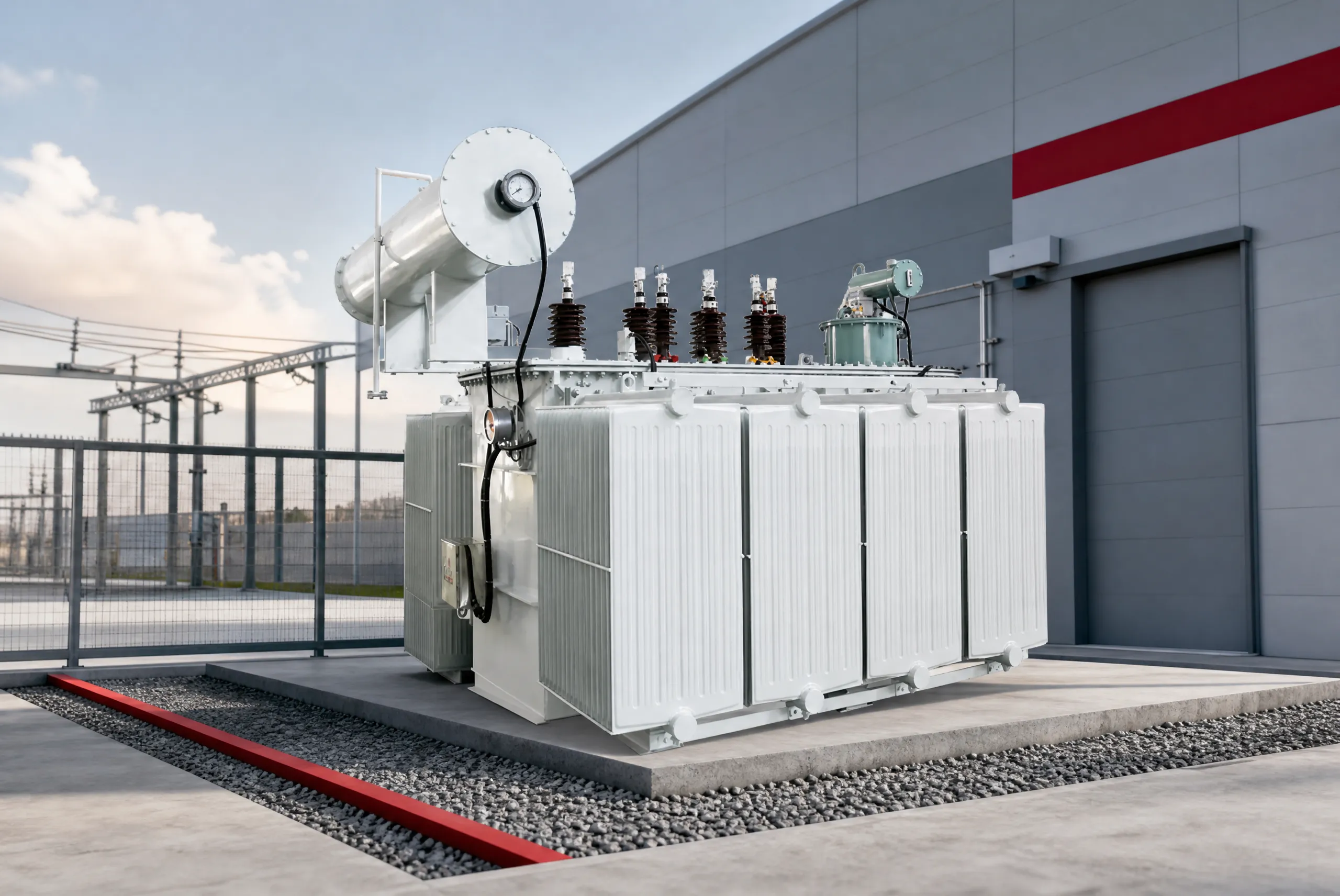
A 1250KVA oil immersed power transformer becomes a usable industrial option only after the voltage ratio, connection arrangement, loss basis, impedance, site constraints and required records describe the same proposed unit. The kVA label establishes capacity, but it does not settle protection coordination, handling access or the construction release.
Use the catalog to identify a starting series, then hold the selected transformer to the approved datasheet, drawings and project requirements.
Part 1. Define the industrial duty before selecting 1250KVA hardware
Industrial selection begins with the duty that the transformer must serve, not with a drawing or photo. IEC 60076-1 places ratings and agreed technical conditions within the specification process, so the design team needs to establish the supply and load context before comparing hardware (IEC 60076-1).
State the intended distribution duty, source voltage, secondary voltage and expected connected system. The team should also identify whether the inquiry needs a particular connection group, tap arrangement, protection interface or terminal orientation.
| Review question | Buyer input | Why it changes the selection |
|---|---|---|
| Electrical duty | Single-line diagram and load description | Keeps the proposed rating connected to the actual system |
| Voltage ratio | Required primary and secondary values | Prevents comparison of units for different networks |
| Connection arrangement | Required vector group and grounding approach | Avoids bids that are not electrically interchangeable |
| Installation concept | Indoor, outdoor or contained arrangement | Directs the mechanical and environmental review |
For category context, start with the Transformer category before narrowing to a capacity-specific review.
Part 2. Compare electrical inputs before comparing offers
The useful comparison sheet puts values beside the condition that makes each value meaningful. A 1250KVA figure alone does not make two proposals equivalent when voltage, vector group, taps or impedance differ.
| Comparison field | Buyer input | Review purpose |
|---|---|---|
| Rated capacity | 1250KVA duty and load basis | Confirms the intended capacity reference |
| Voltage ratio | Primary and secondary requirement | Aligns the transformer with the network |
| Vector group | Required connection arrangement | Supports system and grounding coordination |
| Tap requirement | Required range and operating expectation | Avoids a quote based on an unspecified regulating need |
| Impedance | Project target or study requirement | Allows protection review in the correct context |
The 630KVA oil immersed transformer selection guide explains why catalog options must not replace the project voltage ratio. At 1250KVA, the same discipline matters because an industrial bid often has more interfaces to reconcile.
Important: Do not treat a published impedance figure as a protection approval. Its relevance depends on the connected system and the project study (IEC 60076-1).
Part 3. Put loss figures in their stated comparison conditions
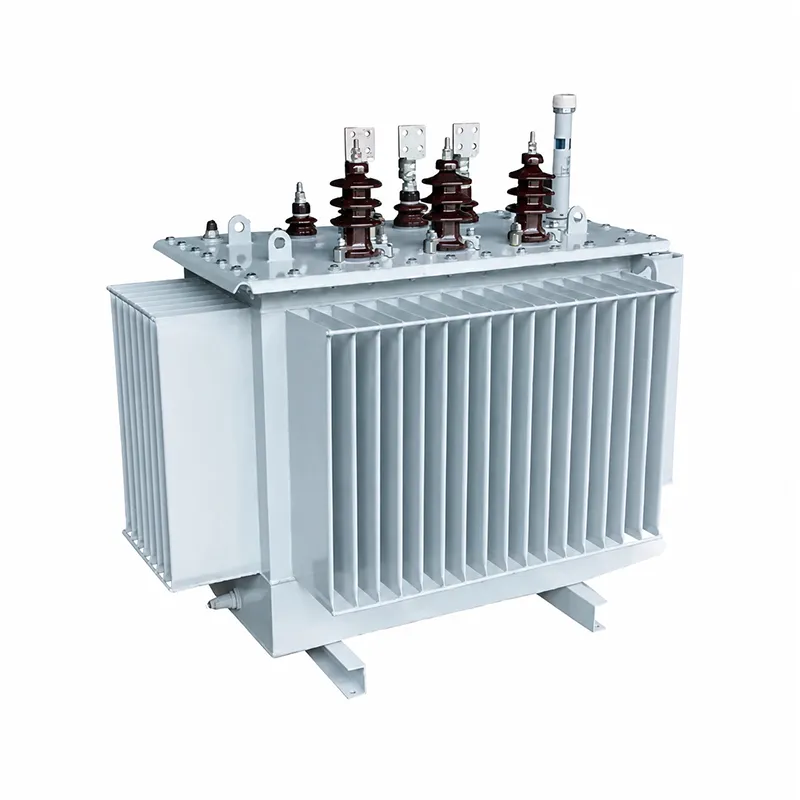
Loss figures become comparable only when suppliers identify the proposed series, voltage combination and stated conditions. LBAJI publishes 1250KVA entries in the S-M series table, but those values are catalog references rather than a final guaranteed configuration.
Read no-load and load loss entries as part of a matched proposal. If one bid omits the series, voltage combination or other basis used for the published table, mark the value as incomplete rather than normalizing it by assumption.
| Bid evidence | What to compare | Decision boundary |
|---|---|---|
| Proposed series | Named series and configuration | Catalog family alone is insufficient |
| Loss data | No-load and load figures with stated basis | Compare only like conditions |
| Impedance | Quoted value and project target | Review with the protection design |
| Reference dimensions | Table or drawing source | Use issued drawing for final layout |
This evidence-first approach makes the quotation review auditable without claiming a site result from a generic table.
Part 4. Translate site constraints into equipment review inputs
Before equipment is released, the physical arrangement needs the same attention as the electrical line items. Access, lifting method, terminal direction, containment concept and clearance requirements affect the final drawing review.
A catalog dimension helps early planning, but it cannot define the final foundation or handling path. Ask for the proposed general arrangement drawing and check it against the actual access route and adjacent equipment.
For a related capacity-band document approach, see the 800KVA oil immersed transformer RFQ guide. It should inform the questions, not substitute for the 1250KVA project drawing.
Part 5. Ask for a bid record an industrial team can audit
An industrial quotation review works best when the bidder responds to a single recorded technical basis. This shifts the conversation from catalog snippets to a traceable proposal.
Request the following with the proposed unit:
- proposed datasheet with voltage, connection group, taps, losses and impedance;
- general arrangement drawing showing terminals and relevant overall dimensions;
- accessory scope and connection information;
- test-document plan required by the project specification; and
- a visible list of any departure from the inquiry.
The exact document set follows the project specification. IEEE’s liquid-immersed transformer standard family is useful context, while the contract documents determine the applicable edition and acceptance route (IEEE C57.12.00).
Part 6. Review an oil-immersed series with a defined fit boundary
Where the confirmed arrangement calls for oil-immersed distribution equipment, the S-M oil-immersed power transformer series is a relevant catalog review entry point. Its public tables include 1250KVA references, allowing a team to identify fields that require confirmation.
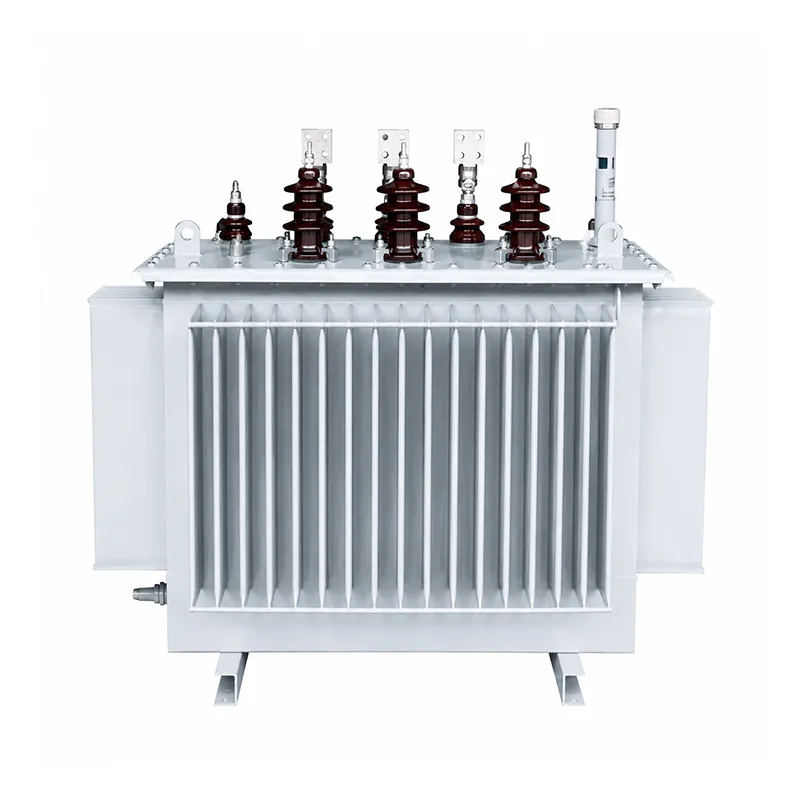
The series is less suitable as a decision shortcut when containment, access, environmental conditions, voltage, protection or approvals have not been defined. In that situation, neither an oil-immersed nor a dry-type alternative should be recommended as the final answer.
Send the single-line diagram, electrical values, site arrangement and drawing requirements through Contact Us for a configuration-specific review.
Part 7. Stop false like-for-like choices before award
The most expensive comparison error is assuming that identical kVA labels imply identical electrical and mechanical duties. Stop the review when a bid hides voltage, vector group, loss basis, impedance context or drawing status.
Keep the open items on one comparison sheet and resolve them before an award recommendation. The 2000KVA oil immersed transformer RFQ guide offers a separate higher-capacity reading path for teams reviewing several capacity bands.
FAQs
What is a 1250KVA oil immersed power transformer used for?
It is considered for a defined industrial distribution duty when the approved voltage, load and installation conditions support that capacity. The project electrical design determines the final arrangement.
What voltage should be shown in the inquiry?
State the required primary and secondary voltage from the single-line diagram. A catalog option can help screen alternatives, but the inquiry must name the project’s actual ratio.
Can published loss values be compared directly?
Only when the proposed series, voltage combination and stated loss conditions match. Ask each supplier to identify the basis used for every quoted figure.
Does impedance select the protection scheme by itself?
No. Impedance must be reviewed with the connected system and protection study; a published value is not a standalone approval.
Are catalog dimensions enough for a foundation release?
No. Use catalog dimensions for preliminary planning, then review the issued drawing, terminals, access and handling method before construction is released.
Which documents should an industrial buyer request?
Request a proposed datasheet, general arrangement drawing, connection information, accessory scope and the required test-document plan. The final list follows the project specification.