
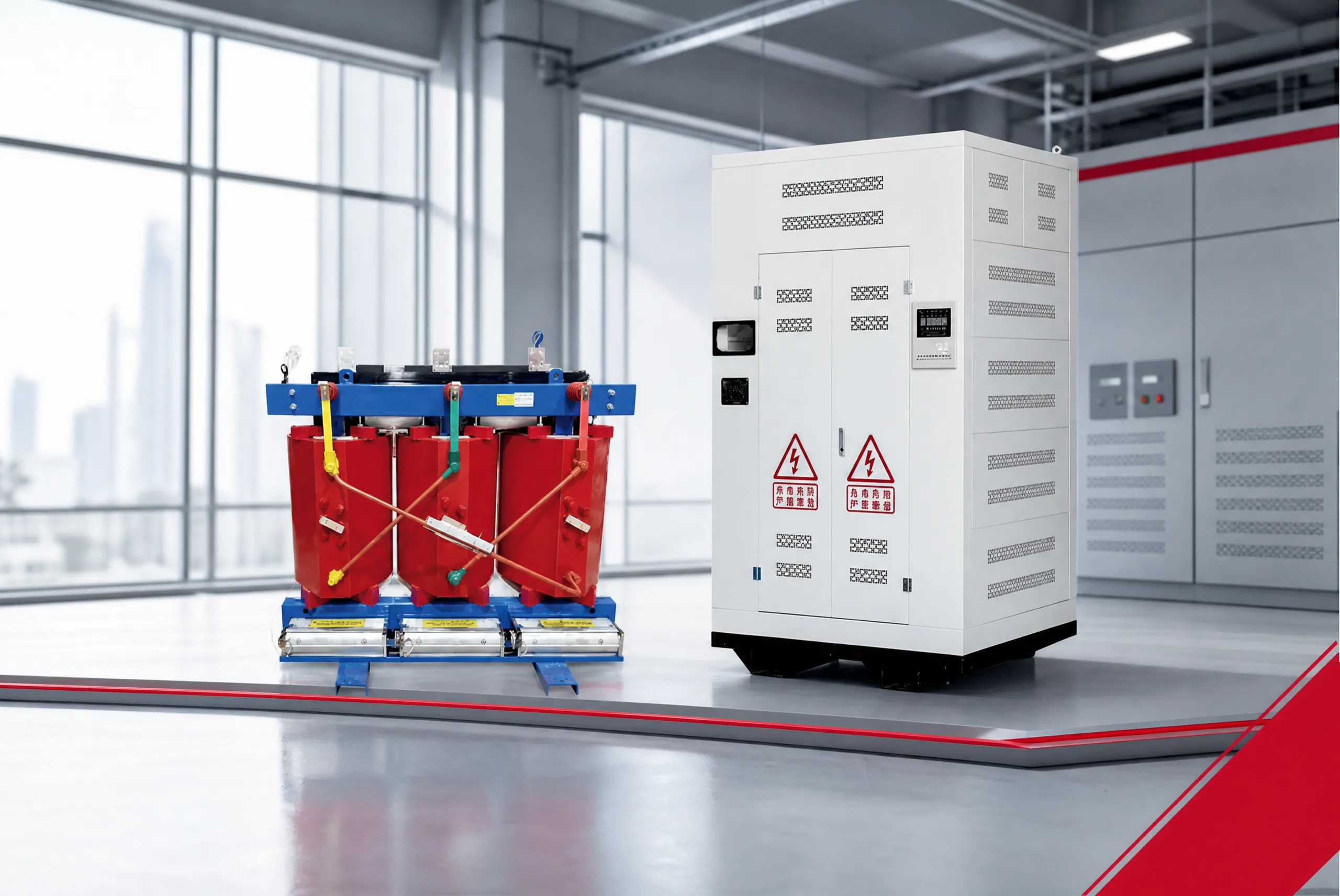
A 1000KVA dry type distribution transformer is an EPC interface package, not simply a capacity purchase. Electrical design, room planning, cable termination, loss evaluation and supplier documents need to describe the same proposed unit before bids can be compared. For the broader construction and project-selection overview, see our dry-type transformer types and ratings guide.
Start with the approved single-line diagram and installation constraints, then use product tables as reference material while the final order is controlled by the agreed datasheet and drawings.
Part 1. Treat the 1000KVA purchase as an interface package
At 1000KVA, the transformer connects decisions made by the electrical, civil and installation teams. The rating does not identify the voltage ratio, vector group, cooling arrangement, enclosure, cable entry or required documentation, so those fields should be coordinated before requesting a price.
Use the Transformer category as the wider product-line reference. The 100KVA dry type transformer selection guide explains the smaller-capacity selection logic; this article focuses on the procurement handoff for a 1000KVA package.
Part 2. Build the electrical baseline before requesting prices
The published SC(B) resin insulation dry transformer series includes a 1000KVA entry in a 10kV-series table. Use it as a reference for the fields that should be resolved, not as a configuration promise.

| Buyer must provide | Public reference or decision point | Procurement reason |
|---|---|---|
| Primary and secondary voltage | The published 10kV table includes several primary options and 0.4kV secondary | Keeps every bid on the intended network ratio |
| Vector group and taps | Dyn11/Yyn0 and tap alternatives appear in the series table | Prevents incompatible grounding or voltage-regulation assumptions |
| Rated duty and load profile | 1000KVA is the catalog capacity reference | Separates connected load from actual duty conditions |
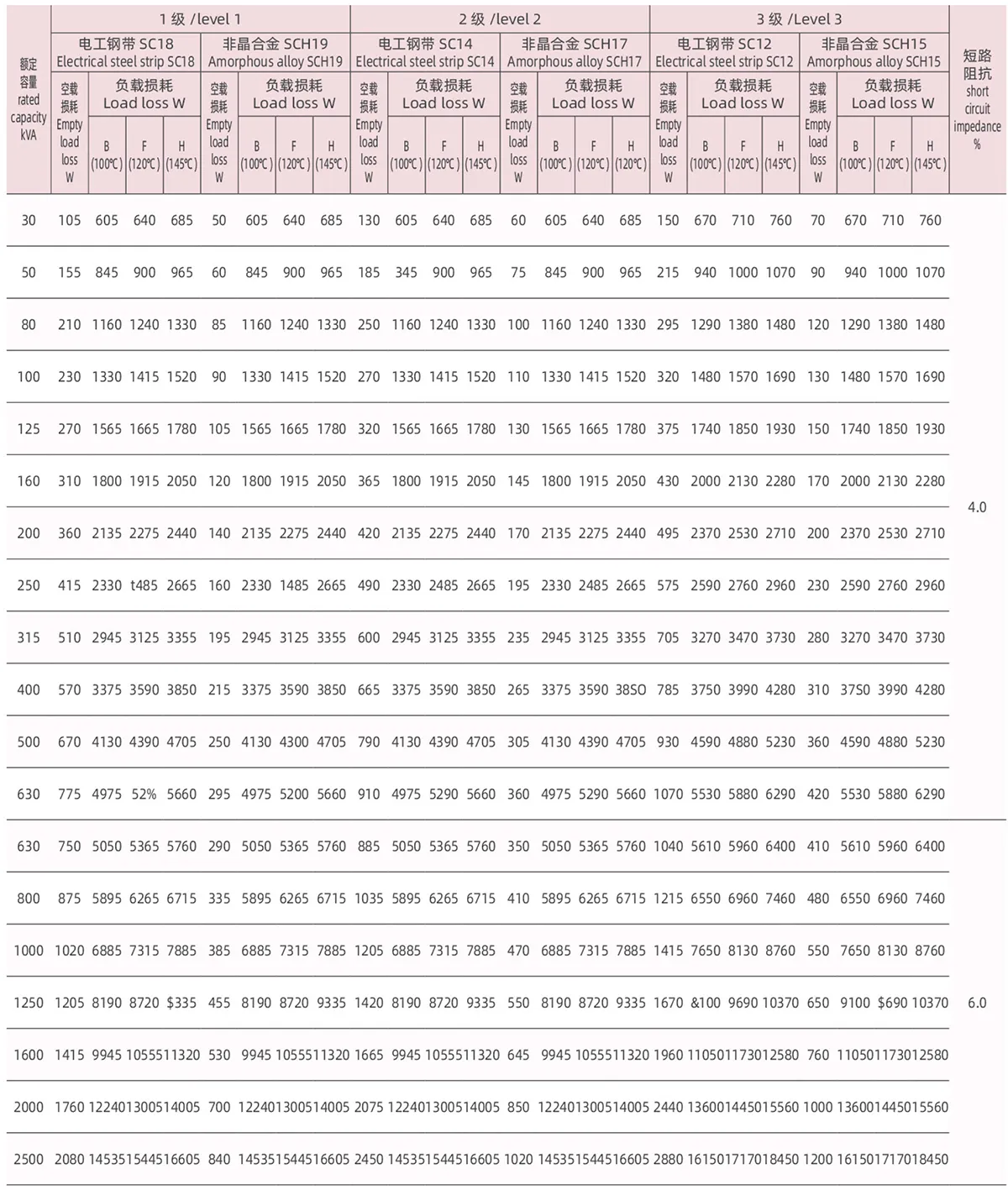
| Loss basis | 1.59kW no-load and 7.65kW load loss are published references | Lets commercial teams compare like conditions |
| Impedance target | 6% is listed for the relevant table band | Links the quote to protection coordination |
| Required drawings and tests | Project-defined evidence list | Stops document scope from becoming an afterthought |
Part 3. Match thermal and room data to the dry-type concept
Dry-type selection connects load behavior with the room’s ventilation and access conditions. Record ambient conditions, elevation, expected operating profile, nonlinear-load information where relevant, enclosure needs and the intended maintenance access before the supplier fixes a construction.
The public table’s reference losses and no-load current are useful only in their stated series context. Comparing a loss figure without the associated configuration, temperature basis or loading assumptions does not show the lifecycle implication of a bid.
Important: Do not use a catalog enclosure illustration, reference dimension or loss value as proof that a 1000KVA dry-type transformer meets the final room, fire or code requirements. Confirm the selected construction against the project specification and applicable requirements. Source: IEC 60076-11.
Part 4. Give supply-and-install teams the same mechanical information
The electrical contractor needs more than a kVA figure. The transformer package should align the issued GA drawing, dimensions, weight, base arrangement, terminal orientation, cable approach, lifting path and required clearances with the room or enclosure design.
A LBAJI public 1000KVA table shows 1320 x 940 x 1300mm and 2260kg as reference values for one table entry. Use that data for preliminary coordination only; released construction information must come from the selected unit’s drawing.
Where the cooling technology is still a project decision, use the dry type versus oil immersed transformer comparison before treating the dry-type route as fixed.
Part 5. Make the EPC bid comparison evidence-based
An EPC bid review works best when each supplier returns a traceable technical response rather than a headline price. Ask the bidder to identify every item that differs from the inquiry and attach the evidence that permits the design team to accept or reject that difference.
Review the following as a linked record:
- proposed datasheet with voltage, vector group, taps, rated capacity, losses, impedance and insulation information;
- GA drawing showing dimensions, weight, terminals, base and cable interface;
- an installation statement covering the requested room or enclosure conditions;
- an agreed routine-test or test-document deliverable list;
- clarification of accessories, exclusions and unresolved project interfaces.
The 2000KVA dry type distribution buying guide is a related larger-capacity procurement reference, not a substitute for the 1000KVA configuration check.
Part 6. Use a dry-type product review path without overclaiming fit
For an EPC team exploring a 1000KVA dry-type arrangement, begin with the SC(B) resin insulation dry transformer series and issue the project brief with it. That creates a common language for catalog fields while leaving final confirmation to the proposed model, drawings and documents.
| Suitable starting condition | Do not finalize until confirmed |
|---|---|
| Defined voltage, load and distribution interface | Room plan based only on a reference footprint |
| Teams able to issue a coordinated technical brief | A bid with an unstated vector group or cable orientation |
| Project scope that distinguishes catalog data from deliverable drawings | Assumed code approval, test scope or enclosure arrangement |
Send the coordinated inputs through Contact Us for a model-specific review.
Part 7. Prevent late changes that re-open the transformer package
- Do not let the civil layout proceed without the selected GA drawing.
- Do not compare bids with different loss, impedance or voltage assumptions.
- Do not leave the vector group, taps or grounding interface unrecorded.
- Do not use an estimated cable route as a terminal-arrangement decision.
- Do not treat a product page as the agreed test-document schedule.
- Do not promise an installation outcome before the project requirements and selected construction are reviewed.
FAQ
What is a 1000KVA dry type distribution transformer used for?
It can serve a defined three-phase distribution duty when the approved voltage, load profile and installation conditions support that rating. The project electrical design determines the final specification.
What should an EPC team send with a 1000KVA dry-type inquiry?
Provide the single-line diagram, voltage ratio, vector group, tap requirement, load profile, loss-evaluation basis, room conditions, cable interface and required drawings or test documents.
Can a published 1000KVA catalog table set the final dimensions?
No. It supports preliminary planning. The selected unit’s GA drawing and terminal arrangement must be used for the final room, lifting and cable design.
How should losses be compared between supplier bids?
Ask each supplier to state the proposed series, voltage, connection group and loss conditions. Values are comparable only when those underlying assumptions match.
Does a dry-type selection remove the need for a room review?
No. Ventilation, access, enclosure needs, cable routing and applicable project requirements still need coordination with the selected construction.
What evidence should be available before award?
The buyer should have the proposed datasheet, GA drawing, terminal information, accessory scope and agreed test-document plan. Any departure from the inquiry should be visible in the bid review.