
SFZ11 35kV on-load tap transformer planning starts with the voltage problem, not the product name. Use an energized tap-changing arrangement only when the project needs a defined regulation duty during operation; then state the voltage variation, load-side target, tap duty and control boundaries before comparing offers.
A 35kV catalog row can identify fields worth discussing, but it cannot decide the final operating arrangement. The agreed electrical specification and issued drawings remain the basis for the offered unit.
Part 1. What voltage-regulation decision is the project actually making?
The core question is whether a changing system condition requires the transformer ratio to be adjusted while the unit remains in service. IEC 60076-1 is a useful specification reference because ratings and technical requirements need an agreed basis before a transformer can be evaluated (IEC 60076-1).
Start with the single-line diagram, the incoming-voltage variation and the required load-side voltage band. That turns a broad request for “voltage regulation” into an electrical duty that suppliers can understand.
| Planning question | Buyer should define | Why it changes selection |
|---|---|---|
| System variation | Expected high-side voltage range | Establishes the regulation problem |
| Load-side target | Required operating voltage band | Defines the intended result |
| Operating condition | Variation pattern and loading context | Distinguishes a fixed ratio from a regulating duty |
| Service constraint | Whether ratio changes must occur energized | Determines whether on-load operation is being considered |
For category context, use the Transformer category after the duty has been described.
Part 2. When does on-load tap duty belong in the concept?
On-load tap changing belongs in the concept when the required ratio adjustment must occur during energized operation under the agreed duty. It is not an automatic upgrade for every transformer with taps; a fixed installation may instead need a ratio selected only while the transformer is de-energized.
The difference affects more than a label. It changes the requested operating duty, control interfaces, protection coordination and the information that needs to accompany the quotation. IEC publishes dedicated performance requirements for tap-changers in IEC 60214-1, so the inquiry should name the intended function rather than leaving suppliers to infer it.
Important: Do not write “on-load tap transformer” when the project has not confirmed whether adjustment must occur while energized. The operating duty, range and control responsibility are specification inputs, not assumptions drawn from a catalog name (IEC 60214-1).
The transformer preventive maintenance schedule covers later service planning. This article comes earlier: it establishes whether the regulating arrangement belongs in the project requirement.
Part 3. Which electrical inputs define the regulating requirement?
The RFQ should combine the voltage problem with the transformer interface. A capacity value alone does not establish the required regulating behavior, because the ratio, vector group, voltage range and system study requirements all influence what bidders are being asked to provide.
| Specification field | Buyer should provide | Review use |
|---|---|---|
| High- and low-voltage values | Nominal values and expected variation | Defines the ratio and regulation context |
| Required load-side band | Target operating range | Shows the intended voltage outcome |
| Tap duty | Required range, step approach and energized-operation need | Makes the regulating request explicit |
| Vector group and grounding | Project connection requirement | Prevents an interface mismatch |
| Capacity, loss and impedance basis | Rating basis and study requirements | Makes quotations comparable |
Include the single-line diagram and any protection or control philosophy available at the concept stage. The 35kV oil immersed transformer specification inputs article adds a substation-level checklist for ratio, vector group, loss, impedance and drawings.
Part 4. How should control and protection boundaries be recorded?
An on-load arrangement is part of a wider operating system. The buyer should identify who owns the voltage target, what signal or logic interface is expected, which alarms or statuses must be made available, and how the transformer interfaces with the project protection design. These are project inputs, not promises that any catalog unit includes a particular controller or scheme.
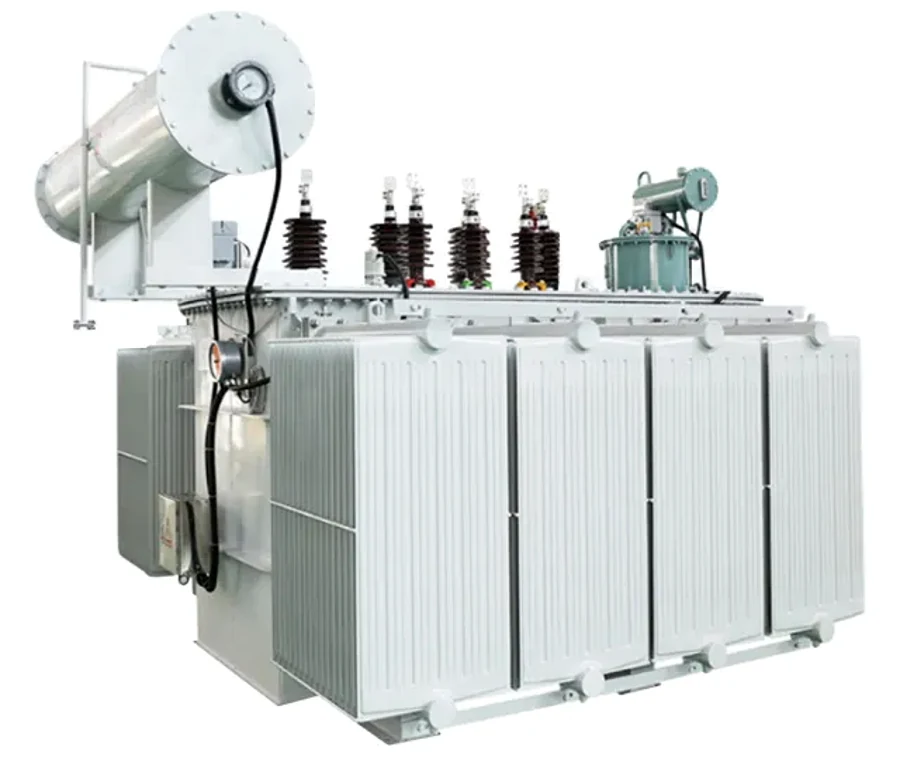
The LBAJI page lists a gas relay and pressure-relief valve for the described series, but it does not publish a complete project control package. IEEE’s C57.131 listing provides a standard reference for load tap changer requirements; the actual control, alarm and protection scope must still be set by the project.
For parallel units, tap behavior also needs coordination with the system approach. Review parallel transformer operation planning inputs when the project intends more than one unit to share a bus.
Part 5. How should loss, impedance and tap data be compared?
Compare technical values only against the same declared requirement. The LBAJI SFZ11 page publishes catalog fields for rated capacity, voltage, connection group, no-load loss, load loss and impedance, which can help structure a bid comparison (SFZ11 product page). They do not remove the need to verify the offered configuration.
| Bid field | Comparable only when | Buyer action |
|---|---|---|
| Tap range and step data | The same voltage duty and operating requirement apply | Check against the stated regulation objective |
| No-load and load loss | Reference condition and configuration are stated | Compare on a matched basis |
| Impedance | The project target or study requirement is common | Review against system coordination |
| Connection group | The required system interface is stated | Reject unexplained deviations |
Avoid selecting a proposal simply because it has more listed fields or a familiar series designation. The project requirement gives those fields their meaning.
Part 6. What should the RFQ say before suppliers price the unit?
Put the regulation duty in the RFQ rather than in a later clarification. A clear request reduces the chance that quotes are based on different ratio, operating or control assumptions.
Send the following record with the inquiry:
- single-line diagram, nominal voltages and expected high-side variation;
- required load-side voltage band and capacity basis;
- vector group, grounding and system-interface requirements;
- required tap range, energized-operation duty and control responsibility;
- loss basis, impedance target and any study constraints;
- required protection, alarm, status and communication interfaces; and
- general arrangement, terminals, cable approach and document requirements.
This list is deliberately project-specific. It asks for the information a regulating decision needs, without asserting a final controller, acceptance result, test package or delivery condition.
Part 7. When is the SFZ11 35kV series a useful catalog review point?
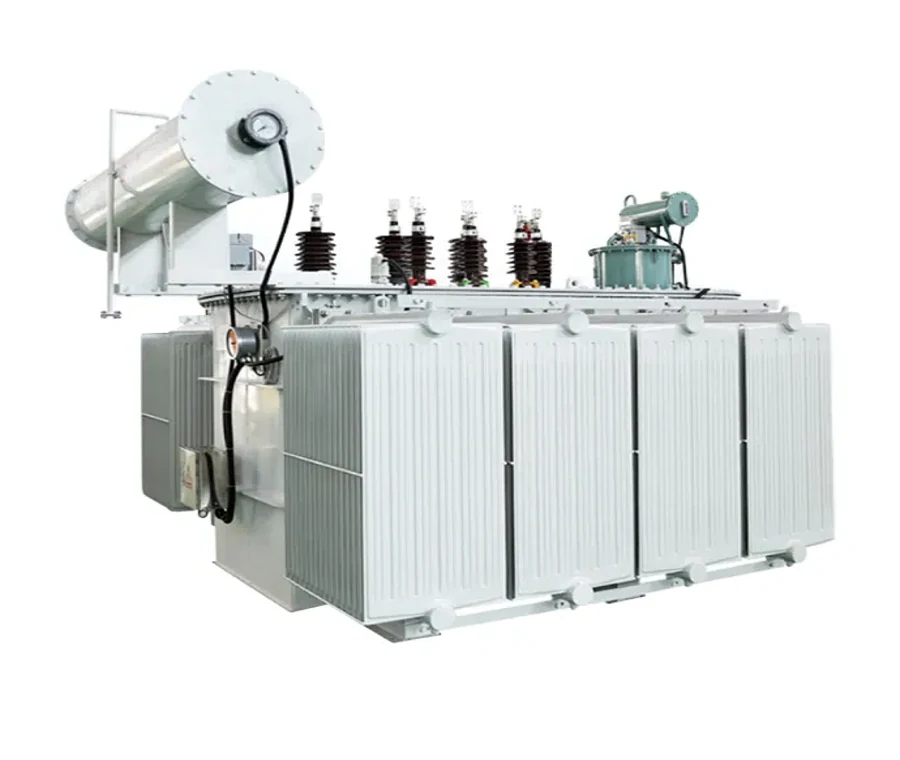
The SFZ11 35kV loaded oil-immersed power transformer page is a relevant catalog review point after the project has defined a 35kV oil-immersed regulating duty. Its published fields can support a structured technical discussion.
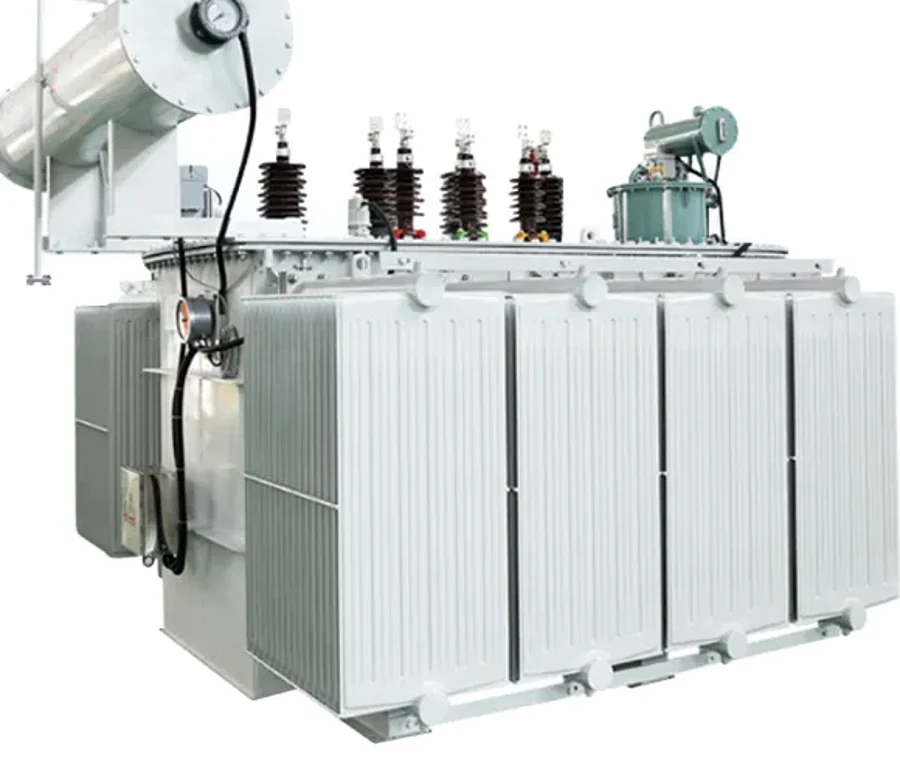
It is not a final recommendation for a fixed-ratio application, an undefined voltage target, missing control ownership or an incomplete substation interface. The page also states that dimensions and weight are reference values subject to product drawings, so final civil and terminal decisions need the selected drawings.
Send the electrical inputs and drawing list through Contact Us for a configuration-specific review.
FAQs
What is an on-load tap transformer?
It is a transformer arrangement specified to adjust ratio during energized operation under its defined duty. The project must still state the required voltage range, control approach and operating conditions.
When should a project consider on-load tap changing?
Consider it when the electrical concept requires ratio adjustment while the transformer remains energized. A fixed-ratio or de-energized adjustment requirement should be identified separately rather than assumed to need on-load operation.
Is a tap range enough to specify the duty?
No. The inquiry should also state the voltage variation, load-side target, energized-operation requirement, control responsibility and the relevant system interfaces.
What should be compared between bids?
Compare voltage duty, tap data, connection group, loss basis, impedance requirement, control and protection scope, drawings and stated exceptions on a common specification basis.
Can a catalog row set the final configuration?
No. A catalog row can show available fields, but the final configuration depends on the agreed electrical requirement, interfaces and selected drawings.
What should a buyer send for review?
Send the single-line diagram, voltage variation, load-side target, capacity basis, tap duty, vector group, control and protection interfaces, loss and impedance requirements, plus the drawing and document list.