
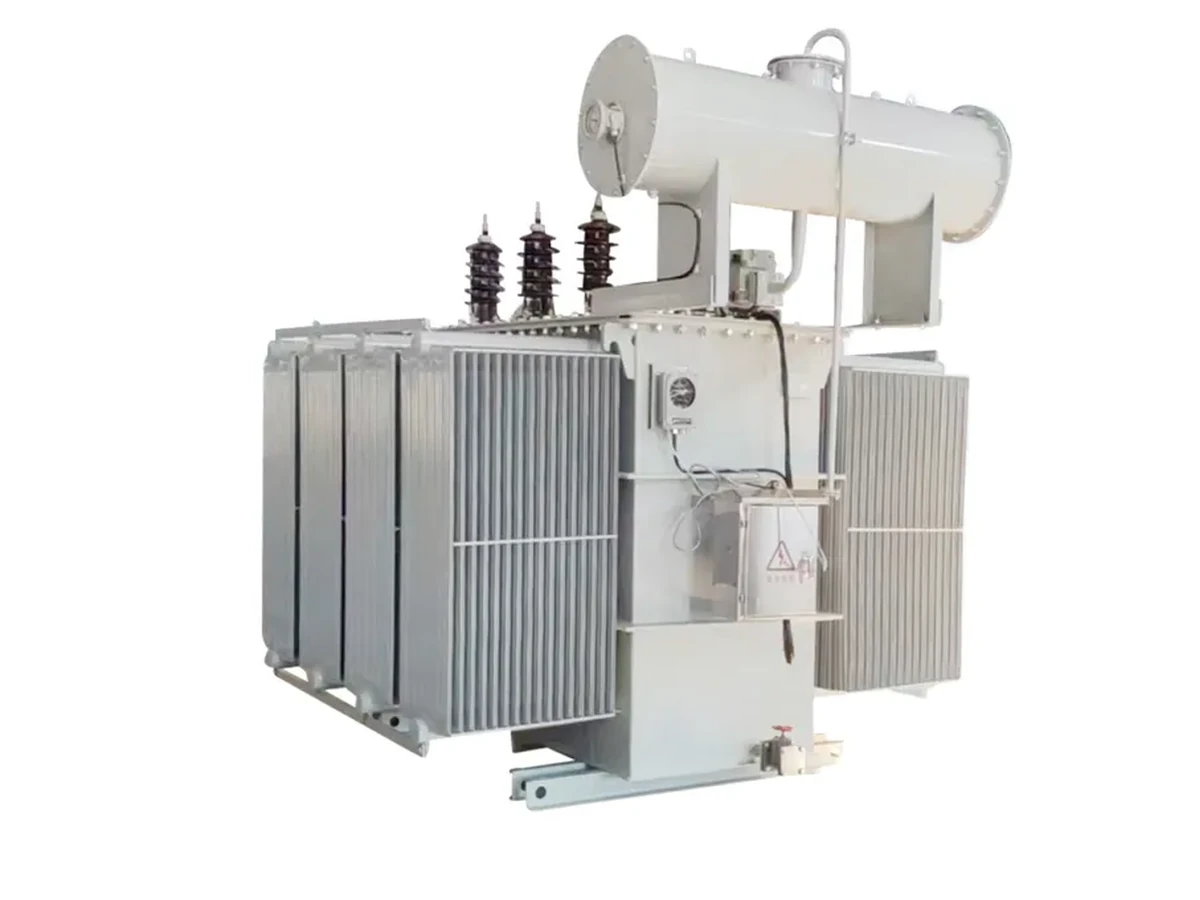
A 35kV oil immersed power transformer needs a substation specification before it needs a price comparison. The voltage ratio, capacity basis, vector group, tap requirement, loss basis, impedance target and drawing interfaces define what each supplier is being asked to offer.
Treat a public product table as a reference for available fields. The agreed specification and selected drawings, rather than a catalog row alone, determine the final transformer.
Part 1. Define the 35kV substation duty before comparing hardware
The 35kV designation describes one part of the electrical interface, not a complete purchase definition. IEC 60076-1 treats ratings and technical requirements as specification inputs, so the incoming system, outgoing distribution, capacity basis and operating role should be visible before a proposal is assessed (IEC 60076-1).
Start with the single-line diagram and the required transformation duty. This establishes the context for a voltage ratio, winding connection and tap decision.
| Substation decision | Buyer should provide | Review purpose |
|---|---|---|
| Electrical duty | Single-line diagram and load description | Defines the transformer role |
| Voltage ratio | Required high- and low-voltage values | Aligns the transformer with both systems |
| Capacity basis | Required rated capacity and load basis | Shows what the rating must serve |
| Connection requirement | Vector group and grounding information | Supports system interface coordination |
Use the Transformer category for product-family context after the project duty is defined.
Part 2. Build an electrical baseline that quotations can share
An RFQ becomes comparable when every bidder receives the same electrical baseline. Without it, capacity or price may be compared across different voltage, vector, tap, loss or impedance assumptions.
| Specification field | Buyer should provide | Quotation review use |
|---|---|---|
| Voltage ratio | Required high- and low-voltage values | Confirms system compatibility |
| Vector group | Required winding connection | Makes a connection deviation visible |
| Tap requirement | Required operating range and tap approach | Frames the regulating decision |
| Loss basis | Required comparison condition | Avoids unmatched loss claims |
| Impedance | Project target or study requirement | Keeps system coordination explicit |
The 630KVA oil immersed transformer selection guide gives a capacity-specific perspective. A 35kV substation specification still needs its own ratio, tap and drawing interfaces.
Important: A public vector-group, loss or impedance field is not proof that a proposed transformer matches the substation. The project specification must identify the required values before offers are compared (IEC 60076-1).
Part 3. Record ratio, vector group and tap decisions together
Ratio, vector group and tap information describe connected parts of the transformer interface. The LBAJI 35kV product page publishes catalog fields for rated voltage and connection group, while its product description says that changing the tapping voltage requires the power supply to be cut off for the described switch arrangement (35kV oil-immersed power transformer).
The inquiry should therefore state the required ratio, vector group and tap requirement together. Do not infer a particular operating or regulating arrangement from a catalog series name.
Part 4. Compare loss and impedance on their stated basis
Loss and impedance values help normalize a technical comparison only when their stated basis is matched. The product page displays these as catalog fields across S11-*/35 rows, which makes them useful prompts for the quotation form rather than a substitute for the project design.
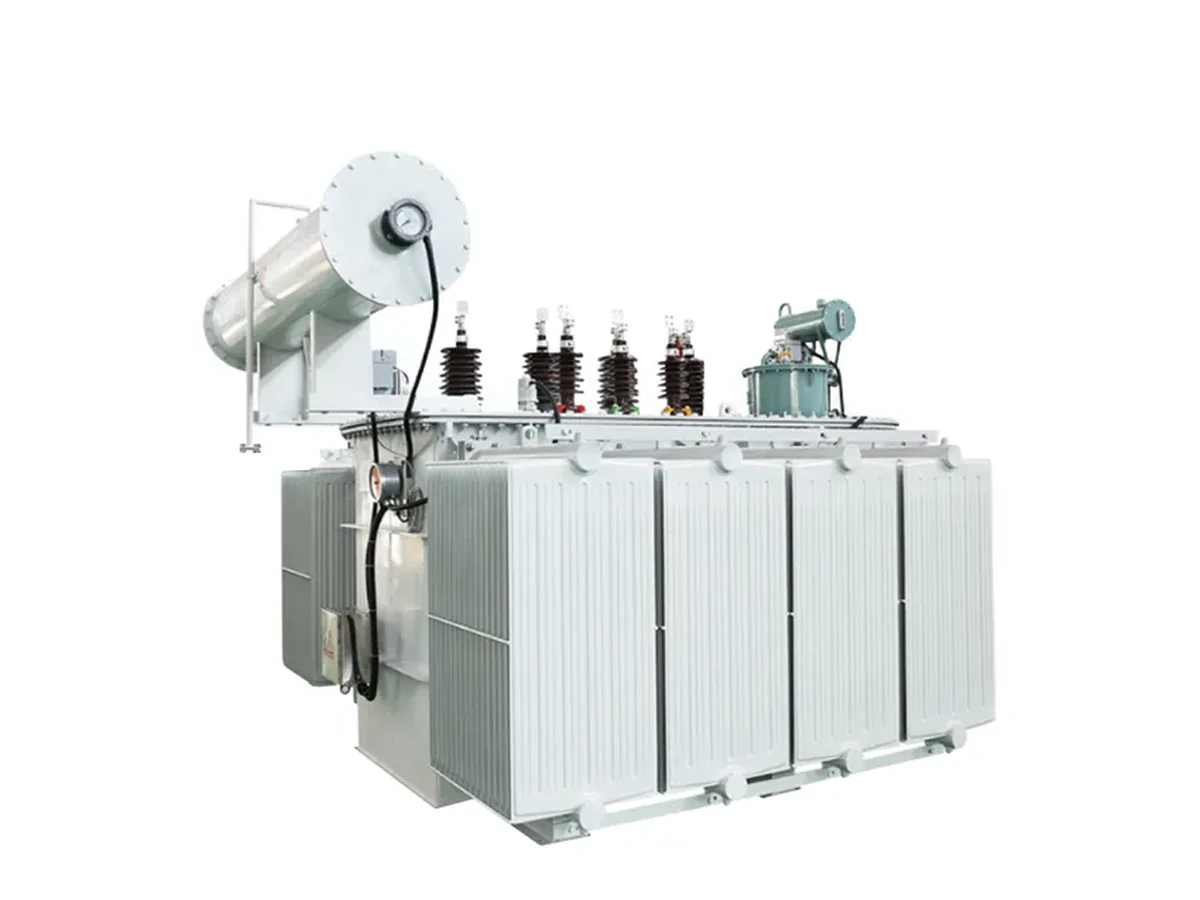
| Catalog or bid field | Comparison use | Required boundary |
|---|---|---|
| No-load and load loss | Compare values on the stated basis | Confirm the proposed construction and reference condition |
| Impedance | Compare to the project target | Confirm the system study requirement |
| Connection group | Check against the requested interface | Confirm the approved electrical design |
Part 5. Turn the substation interface into drawing and RFQ inputs
The electrical data must connect to a physical substation arrangement. Request a general arrangement drawing that identifies terminals, equipment interfaces, relevant dimensions and the selected accessory scope.
Send the following with the quotation request:
- single-line diagram and required voltage ratio;
- rated capacity basis, vector group and tap requirement;
- stated loss basis and impedance target;
- terminal orientation, cable approach and substation interface information;
- required general arrangement, datasheet and test-document list; and
- a clear record of any proposal departure.
The LBAJI product page explicitly notes that dimensions and weight are reference values subject to product drawings. That boundary is why a catalog row should not release a civil layout or terminal arrangement.
Part 6. Use the 35kV oil-immersed series as a catalog review point
For a defined 35kV oil-immersed transformer requirement, the 35kV oil-immersed power transformer page provides a first-party catalog point for reviewing series fields.
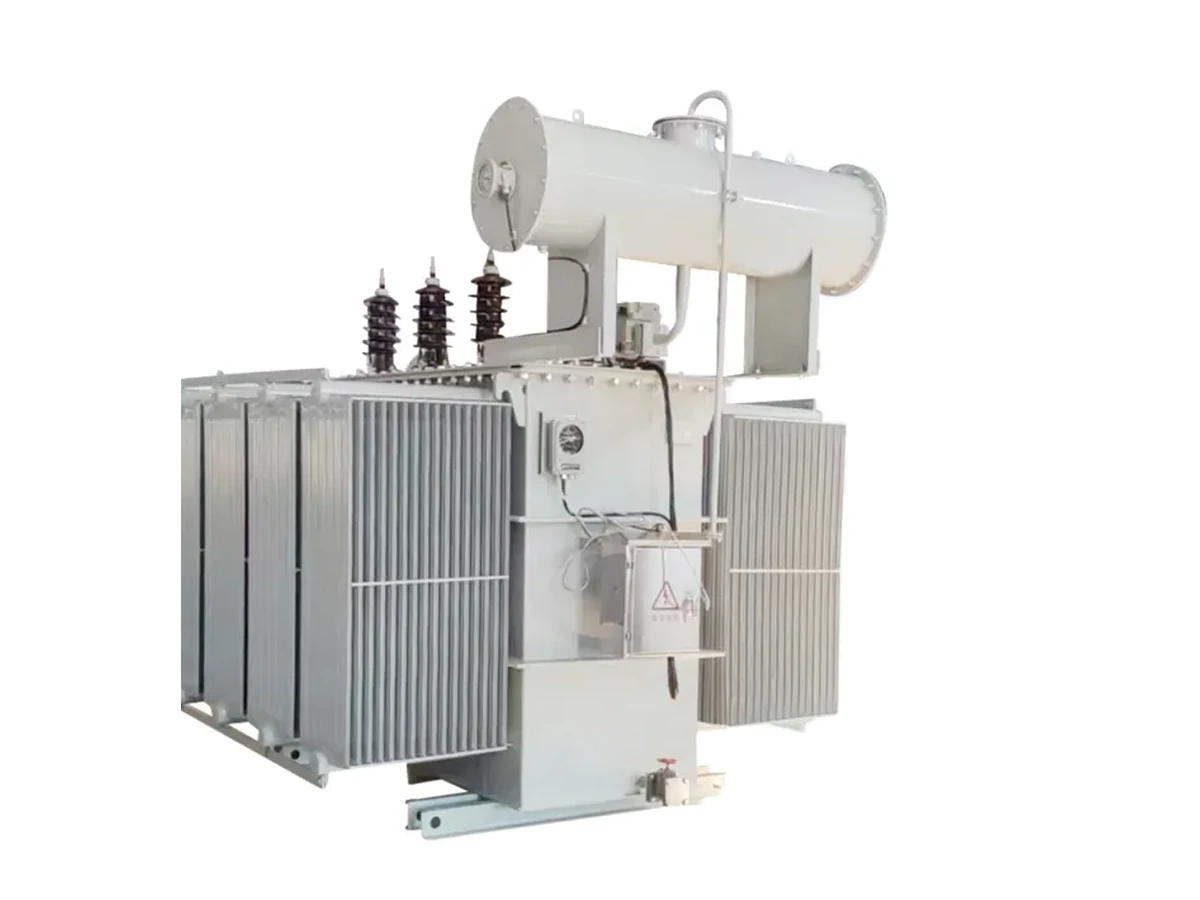
It is not a final recommendation when ratio, vector group, tap requirement, impedance, terminals, drawings, protection interfaces or project approvals are unresolved. An on-load tap product is not automatically the alternative simply because a tap function has been mentioned; the required regulating duty must be defined first.
Send the specification inputs and drawing list through Contact Us for a configuration-specific review.
Part 7. Stop incomplete specification assumptions before award
Do not treat a 35kV label as proof of system compatibility. The IEEE C57.12.00 listing identifies general requirements for liquid-immersed distribution, power and regulating transformers, but the applicable project standard and the offered unit still require an agreed specification (IEEE C57.12.00 standard listing).
For a larger capacity procurement angle, consult the 2000KVA oil immersed transformer RFQ guide. Keep its capacity comparison separate from the 35kV substation interface review.
FAQs
What should a 35kV transformer specification state first?
State the required voltage ratio, capacity basis, vector group, tap requirement, loss basis, impedance target and substation interfaces. Those inputs define what quotations are meant to represent.
Why should the vector group be recorded in the specification?
The vector group identifies the required winding connection arrangement. Recording it prevents a proposal from being treated as equivalent when its connection interface differs from the project requirement.
Should a tap arrangement be identified early?
Yes. State the required operating range and tap requirement in the inquiry so bidders respond to the same regulating need. Do not infer the final arrangement from a series name alone.
How should loss and impedance values be compared?
Compare them only when each proposal states the same required basis and the values are checked against the project electrical requirements. A public catalog field is a prompt for confirmation, not an approval.
Can catalog dimensions set the substation layout?
No. The product page treats dimensions and weight as references subject to product drawings. The final layout needs the issued drawing, terminals, cable approach, interfaces and access arrangements.
What should be sent for a quotation review?
Send the single-line diagram, voltage ratio, capacity basis, vector group, tap requirement, loss basis, impedance target, terminal arrangement and required drawings and documents.