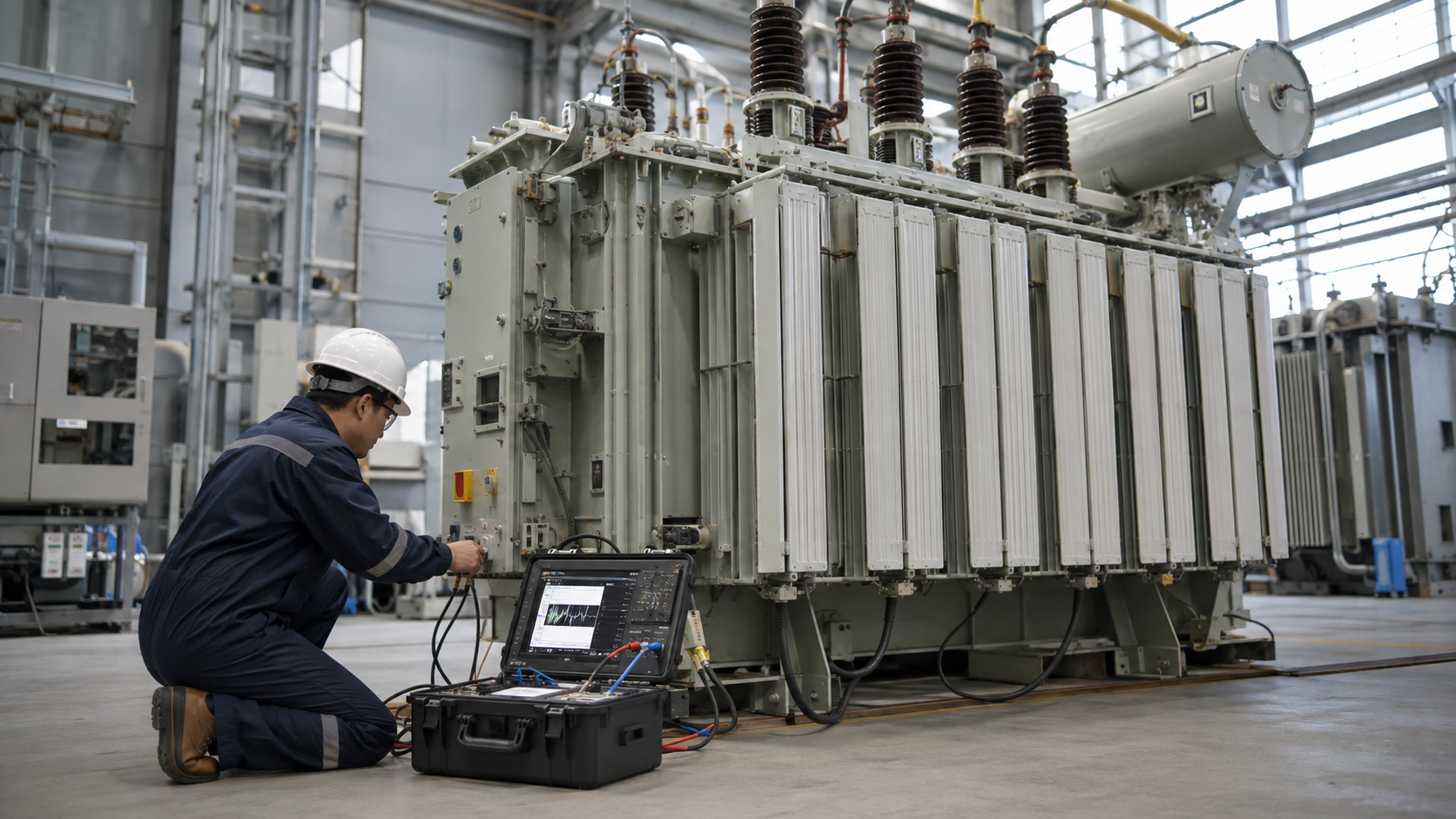

A transformer rectifier unit, or TRU, combines a transformer and rectifier to convert an AC input into a controlled or uncontrolled DC output, often with filtering, protection, cooling, monitoring, and isolation in one assembly.
Key Takeaways
- Identify the exact duty and system boundary before selecting equipment.
- Verify ratings, protection, environment, interfaces, and maintainability together.
- Use qualified personnel and project-specific standards for final decisions.
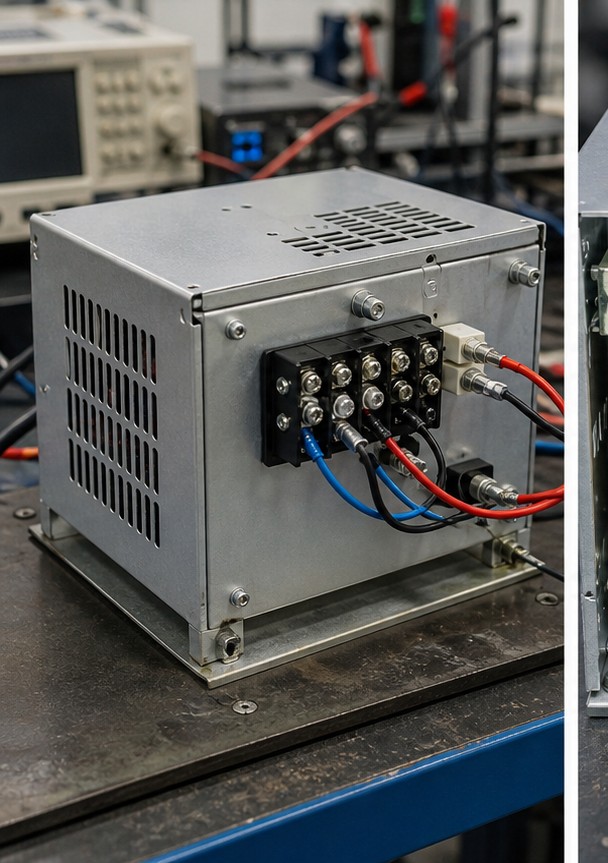
Quick Selection Table
| Decision area | Practical meaning | Project check |
|---|---|---|
| How a TRU works | The transformer changes voltage and usually provides galvanic isolation. | Verify drawings, ratings, interfaces, environment, protection, and acceptance evidence. |
| Single-phase and three-phase types | Single-phase bridges suit smaller loads but produce higher ripple. | Verify drawings, ratings, interfaces, environment, protection, and acceptance evidence. |
| Uncontrolled versus controlled output | A diode rectifier has output mainly determined by input voltage, transformer ratio, commutation drop, and load. | Verify drawings, ratings, interfaces, environment, protection, and acceptance evidence. |
| Voltage, current, ripple, and duty | Specify nominal and tolerance bands for AC input and DC output, continuous and peak current, duty cycle, allowable ripple, dynamic response, overload, short circuit, ambient, altitude, and cooling. | Verify drawings, ratings, interfaces, environment, protection, and acceptance evidence. |
| Common applications | TRUs supply aircraft DC buses, industrial electrochemical processes, magnets, controls, battery charging, telecommunications, rail auxiliaries, and DC drives. | Verify drawings, ratings, interfaces, environment, protection, and acceptance evidence. |
| Protection and thermal management | Coordinate AC input protection, transformer temperature, semiconductor fuses, heat-sink monitoring, DC overcurrent, ground-fault detection, surge suppression, airflow, and alarm contacts. | Verify drawings, ratings, interfaces, environment, protection, and acceptance evidence. |
How a TRU works
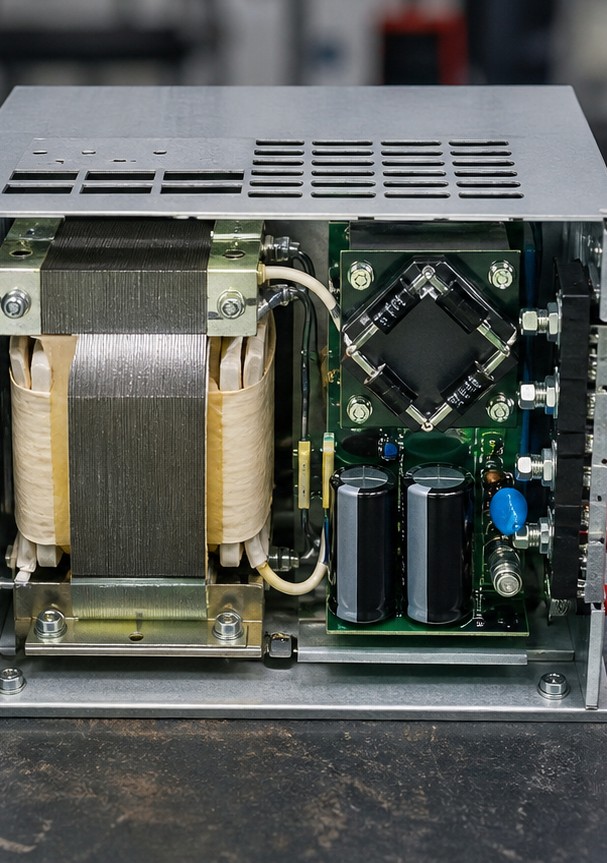
The transformer changes voltage and usually provides galvanic isolation. A diode or thyristor bridge rectifies the secondary AC. Capacitors, inductors, or multi-pulse connections reduce ripple, while controls and protective devices supervise input, temperature, and DC output.
Record the assumptions behind every rating. Nameplate values, the one-line diagram, cable schedule, protection study, ambient conditions, and operating history should agree before a decision is approved. If they do not, stop and resolve the discrepancy rather than choosing a component from a catalogue description.
Single-phase and three-phase types
Single-phase bridges suit smaller loads but produce higher ripple. Three-phase six-pulse units provide smoother output and better power utilization; twelve-pulse or higher arrangements reduce characteristic harmonics at the cost of additional windings and components.
Treat safety as a design input. Isolation, lockout/tagout, verification of absence of voltage, grounding, stored-energy control, approach boundaries, and suitable personal protective equipment must follow the site procedure and applicable law. Only qualified personnel should open, test, connect, or lift energized-power equipment.
Uncontrolled versus controlled output
A diode rectifier has output mainly determined by input voltage, transformer ratio, commutation drop, and load. Thyristor or active front-end designs regulate output and may add soft start or regeneration, but controls, harmonics, and failure modes become more complex.
For procurement, state the required standard, ratings, environment, interfaces, routine tests, drawings, certificates, spare parts, and acceptance criteria. Ask suppliers to list deviations explicitly. Comparable bids are possible only when every bidder is answering the same technical requirement.
Voltage, current, ripple, and duty
Specify nominal and tolerance bands for AC input and DC output, continuous and peak current, duty cycle, allowable ripple, dynamic response, overload, short circuit, ambient, altitude, and cooling. Average DC current alone is insufficient.
For maintenance, establish a clean baseline at commissioning and trend condition rather than relying on one isolated measurement. Photographs, torque records, insulation results, thermography, event logs, and oil or component tests can reveal change before it becomes an outage.
Common applications
TRUs supply aircraft DC buses, industrial electrochemical processes, magnets, controls, battery charging, telecommunications, rail auxiliaries, and DC drives. Each duty imposes different ripple, grounding, redundancy, electromagnetic compatibility, and transient requirements.
Record the assumptions behind every rating. Nameplate values, the one-line diagram, cable schedule, protection study, ambient conditions, and operating history should agree before a decision is approved. If they do not, stop and resolve the discrepancy rather than choosing a component from a catalogue description.
Protection and thermal management
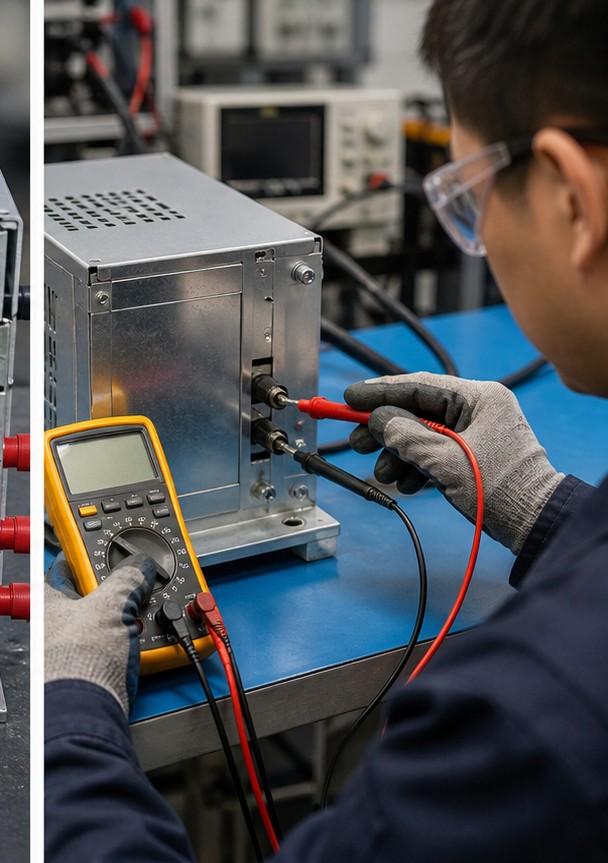
Coordinate AC input protection, transformer temperature, semiconductor fuses, heat-sink monitoring, DC overcurrent, ground-fault detection, surge suppression, airflow, and alarm contacts. Semiconductor protection must operate faster than ordinary feeder devices where required.
Treat safety as a design input. Isolation, lockout/tagout, verification of absence of voltage, grounding, stored-energy control, approach boundaries, and suitable personal protective equipment must follow the site procedure and applicable law. Only qualified personnel should open, test, connect, or lift energized-power equipment.
Testing and troubleshooting
Check insulation, ratio, phase sequence, diode or thyristor condition, firing signals, cooling, capacitor health, connections, ripple waveform, output regulation, alarms, and operation under representative load. Stored capacitor energy remains hazardous after isolation.
For procurement, state the required standard, ratings, environment, interfaces, routine tests, drawings, certificates, spare parts, and acceptance criteria. Ask suppliers to list deviations explicitly. Comparable bids are possible only when every bidder is answering the same technical requirement.
RFQ data and acceptance
Provide input system, required isolation, DC load profile, ripple and regulation, grounding, fault levels, redundancy, cooling medium, enclosure, EMC, controls, communications, alarms, efficiency, tests, drawings, spares, and maintainability expectations.
For maintenance, establish a clean baseline at commissioning and trend condition rather than relying on one isolated measurement. Photographs, torque records, insulation results, thermography, event logs, and oil or component tests can reveal change before it becomes an outage.
Practical Specification Workflow
- Define normal, abnormal, and contingency operating cases.
- Collect verified system and nameplate data.
- Select the governing codes and standards.
- Calculate continuous, short-time, and fault duties.
- Coordinate protection, isolation, grounding, and controls.
- Check environment, layout, transport, installation, and service access.
- Issue drawings, tests, documentation, and acceptance criteria.
- Review deviations before placing the order.
How to Review a Supplier Submittal
Begin with a compliance matrix instead of a brochure. Check every requested rating and interface against the supplier drawing, data sheet, calculation, and test plan. Confirm that stated values apply to the offered configuration, enclosure, ambient temperature, altitude, and accessories. Resolve exclusions involving protection, terminals, controls, monitoring, installation, commissioning, and spare parts before approval. Where a standard permits alternatives, record which option has been supplied.
Next, test the proposal against credible operating events: maximum and minimum voltage, peak load, starting or energization, external fault, loss of cooling, maintenance isolation, communication failure, and the planned contingency. Confirm access for inspection and component replacement. Require final as-built drawings, nameplate schedules, routine-test reports, settings, manuals, and a clear warranty contact. This review prevents a technically plausible product from arriving with the wrong interfaces or incomplete scope.
Related LBAJI Resources
Review the relevant LBAJI equipment page, the main technical guide, and the related articles on system selection and safety and installation or application planning. For a quotation, provide the one-line diagram, ratings, quantity, environment, and required standards.
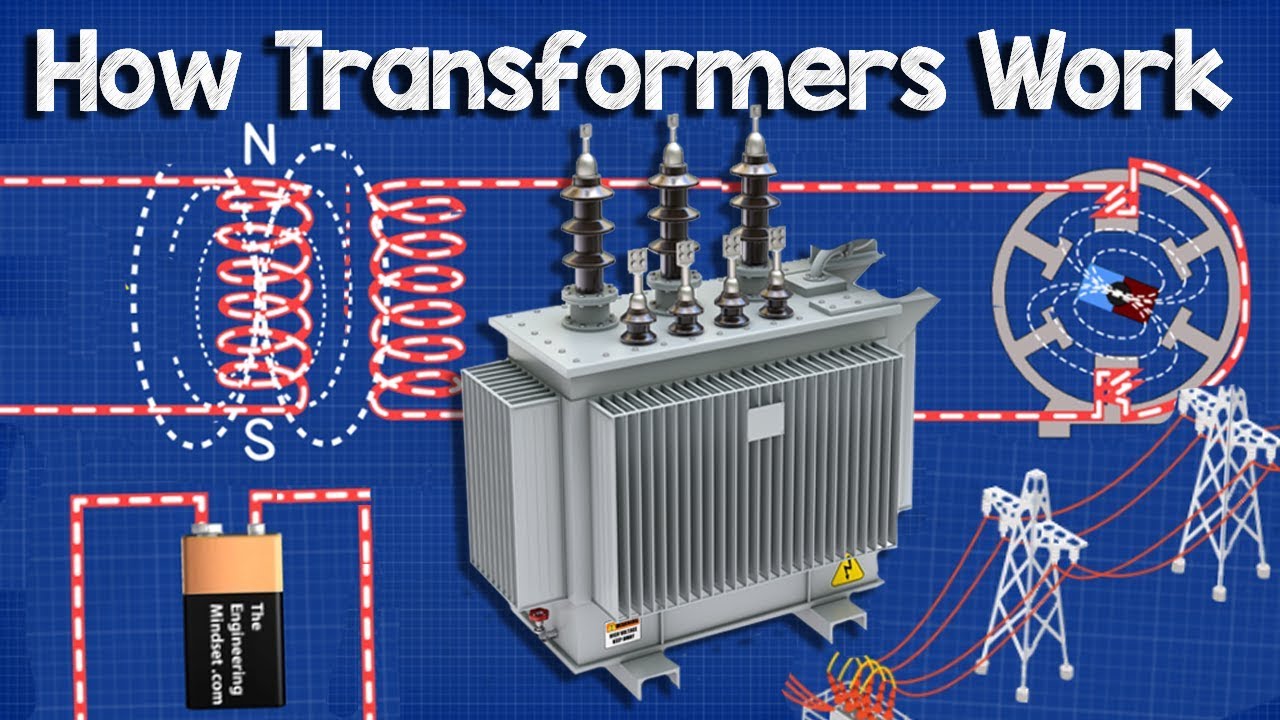
Educational Video
This independent video provides useful visual background for the equipment and electrical principles discussed above.
Frequently Asked Questions
Is this equipment safe to work on while energized?
No general article can authorize energized work. De-energize whenever feasible and follow the site electrical-safety program, risk assessment, and qualified-person requirements.
Which nameplate data should be recorded first?
Record manufacturer, model, serial number, voltage, phase, frequency, current or kVA, insulation or interrupting ratings, connection, cooling, and all accessory data relevant to the application.
Can a replacement be chosen from dimensions alone?
No. Mechanical fit does not prove electrical, thermal, protective, environmental, or interface compatibility.
What should be included in a supplier quotation?
Require ratings, standards, drawings, deviations, routine tests, documentation, warranty, lead time, spares, and site or commissioning scope.
Who should approve the final design?
A qualified engineer and the responsible owner, utility, authority, or safety organization should approve the design according to the jurisdiction and project scope.
Technical References
Conclusion
A transformer rectifier unit, or TRU, combines a transformer and rectifier to convert an AC input into a controlled or uncontrolled DC output, often with filtering, protection, cooling, monitoring, and isolation in one assembly. Final selection, installation, testing, and maintenance must be based on project data and approved procedures rather than a general web guide.