Turbo

Turbo

What Happens When a Transformer Blows? Causes and Response
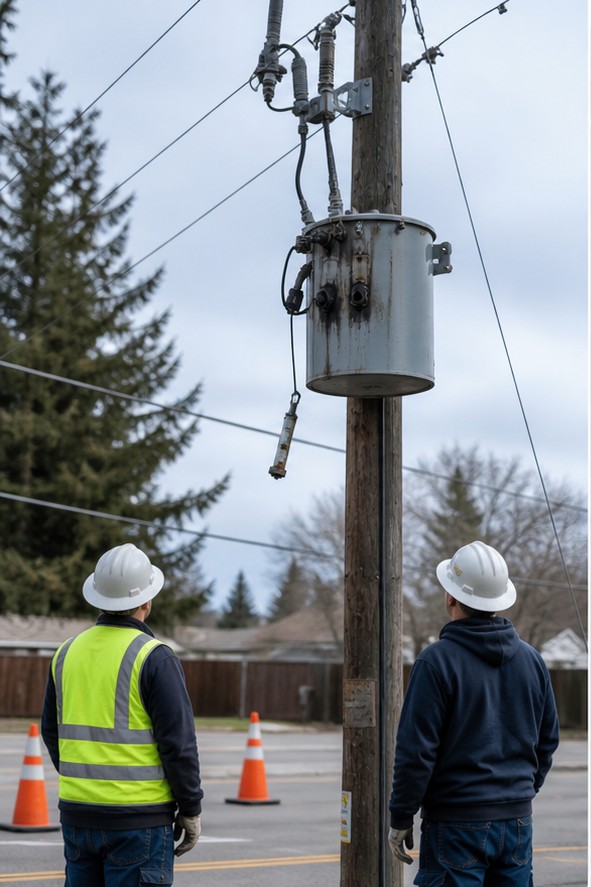
Utility crew assessing a failed distribution transformer

When a transformer “blows,” a fault or severe abnormal condition causes protective equipment to isolate it; the bang, flash, smoke, or outage may come from an expulsion fuse, internal arcing, bushing failure, pressure release, or burning insulation rather than the entire transformer exploding.

How Long Does It Take to Fix a Transformer?

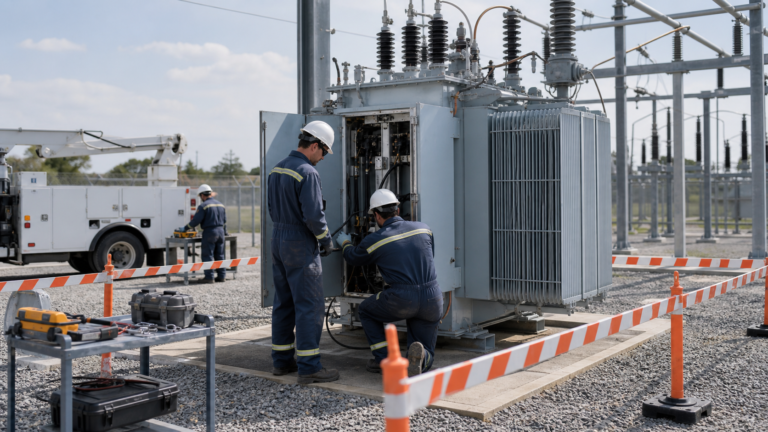
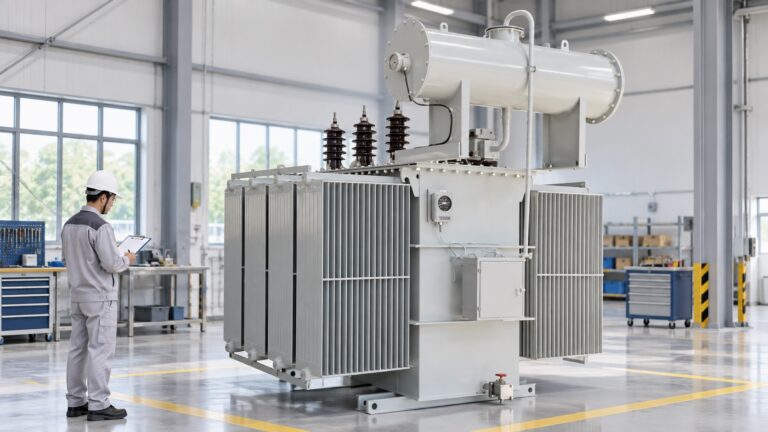
Qualified utility crew repairing an isolated oil-filled transformer in a substation

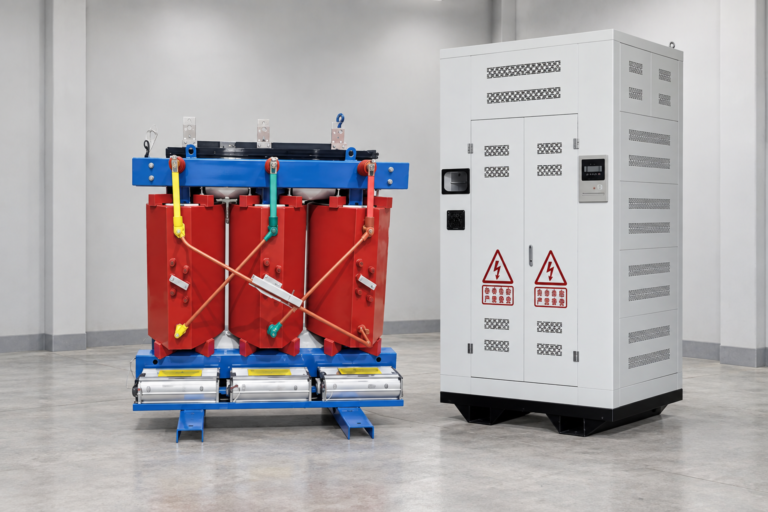
Fixing a transformer can take from a few hours to more than a year. A loose external connection, replaceable fuse or minor accessory fault may be corrected within 4–24 hours after safe isolation. A bushing, gasket, fan, pump or tap-changer accessory repair often takes 1–7 days if parts and qualified labor are available. Internal winding or core damage commonly requires workshop repair lasting several weeks or months. If the unit must be replaced, a stocked distribution transformer may restore service in hours or days, while a custom large power transformer can require a year or longer to manufacture and deliver.

Core Balance Current Transformer: Working, Wiring & Selection

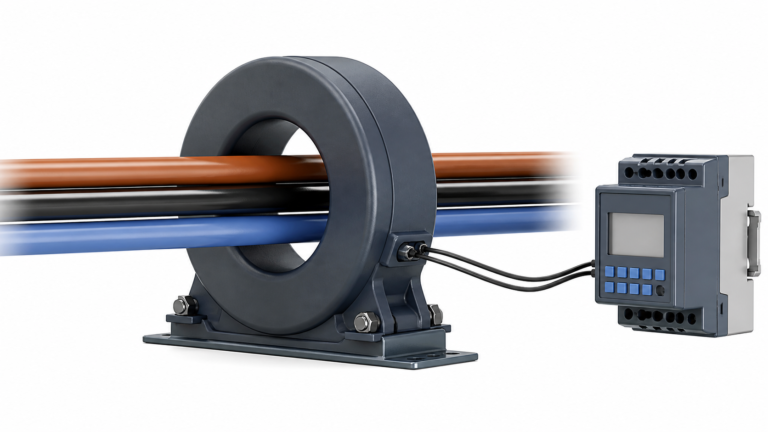
Core balance current transformer surrounding three phase conductors and connected to a protection relay

A core balance current transformer (CBCT) is a ring-type instrument transformer used to detect earth-leakage and ground-fault current. All live conductors of a circuit pass through one magnetic core. During normal operation, their instantaneous currents add to approximately zero, so the CBCT produces almost no secondary output. If current escapes to earth, the sum is no longer zero. The resulting residual magnetic flux produces a secondary signal for an earth-fault relay. Because it measures imbalance rather than load current, a correctly selected CBCT can detect much smaller ground faults than three conventional phase CTs connected residually.