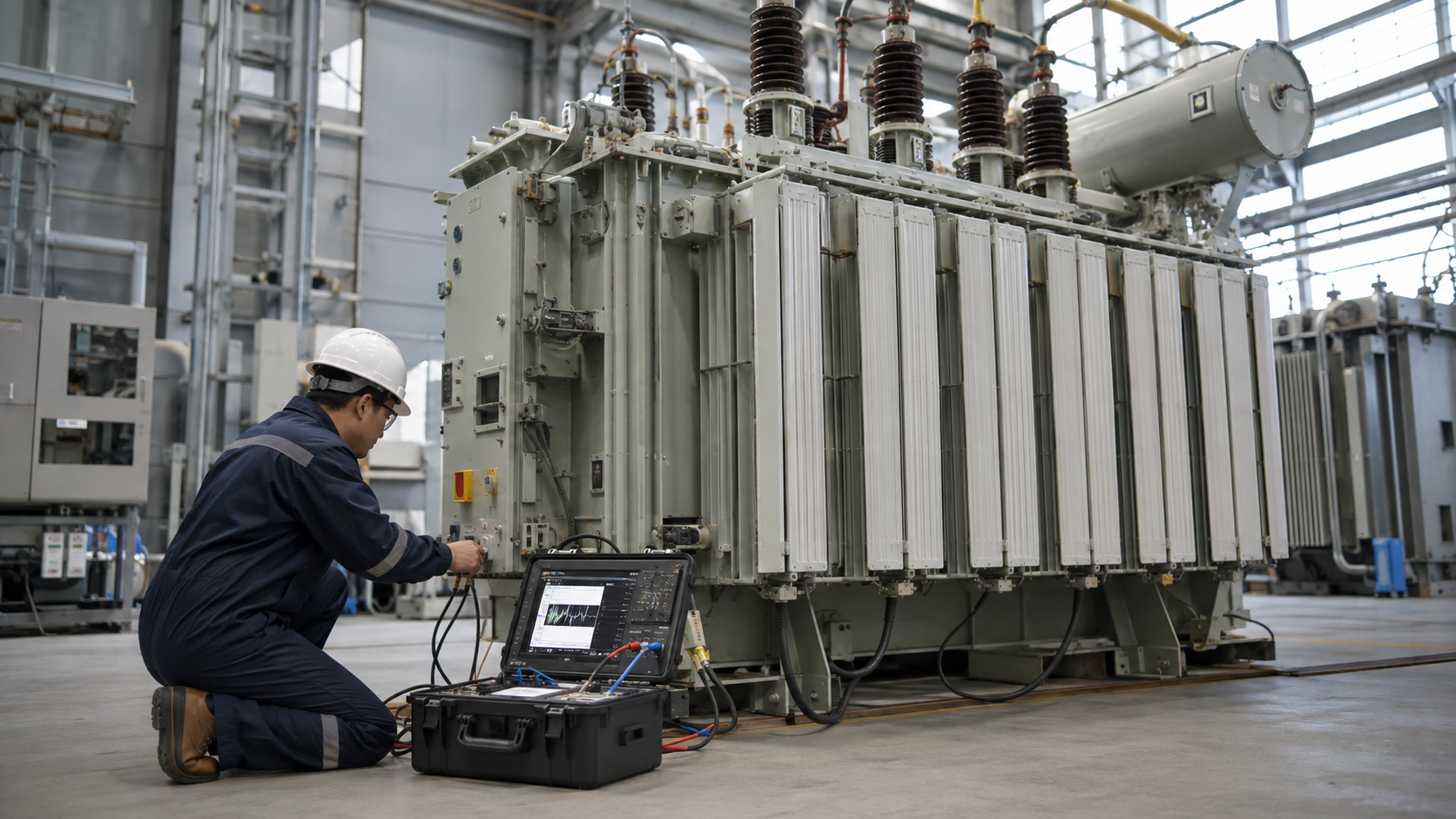

8 Mica Suppliers for Transformers in Europe (2026 Guide)
European buyers looking for mica suppliers for transformers can start with KREMPEL, ISOVOLTA, COGEBI, Von Roll, Dr. Dietrich Müller, KEMAITE, Mica Tapes Europe and Saveway Isolierstoffe. They are not interchangeable: some manufacture complete insulation systems, while others convert, stock or distribute mica tape, paper, sheets and machined parts. The right shortlist depends on the transformer design, temperature class, resin system, required test evidence and whether the supplier must provide engineering support or simply dependable local stock.
Editorial note: This is a procurement shortlist, not a claim that one company is universally “best.” Companies were selected from public product evidence, European operating presence, relevance to electrical insulation and usefulness to transformer buyers. Confirm the current product scope, factory location and certifications directly during qualification.
Evidence checked 24 September 2026: the supplier pages reviewed explicitly connect mica products to transformer use for KREMPEL and KEMAITE. The other six remain useful enquiry candidates, not pre-qualified transformer-mica sources. Every buyer should confirm the offered grade, factory, process compatibility and test evidence.
Why Source Transformer Mica in Europe?
European sourcing can shorten technical communication, simplify sample approval and make visits or supplier audits easier. Buyers may also benefit from local converting capacity, smaller call-off quantities and documentation prepared for European customers. This does not automatically mean the raw mica was mined in Europe. Mica has a global upstream supply chain, so traceability and responsible-sourcing evidence should be requested separately.
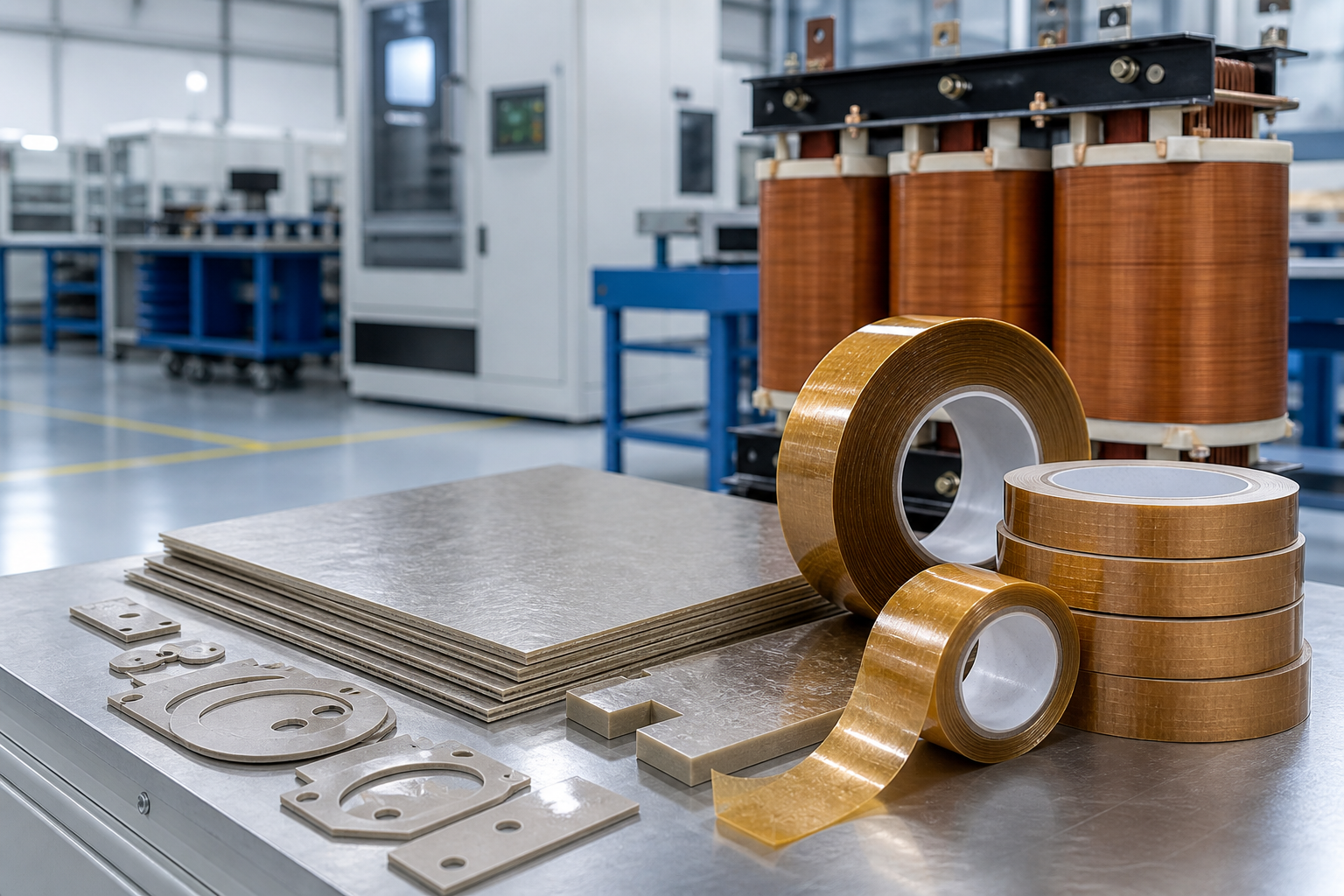
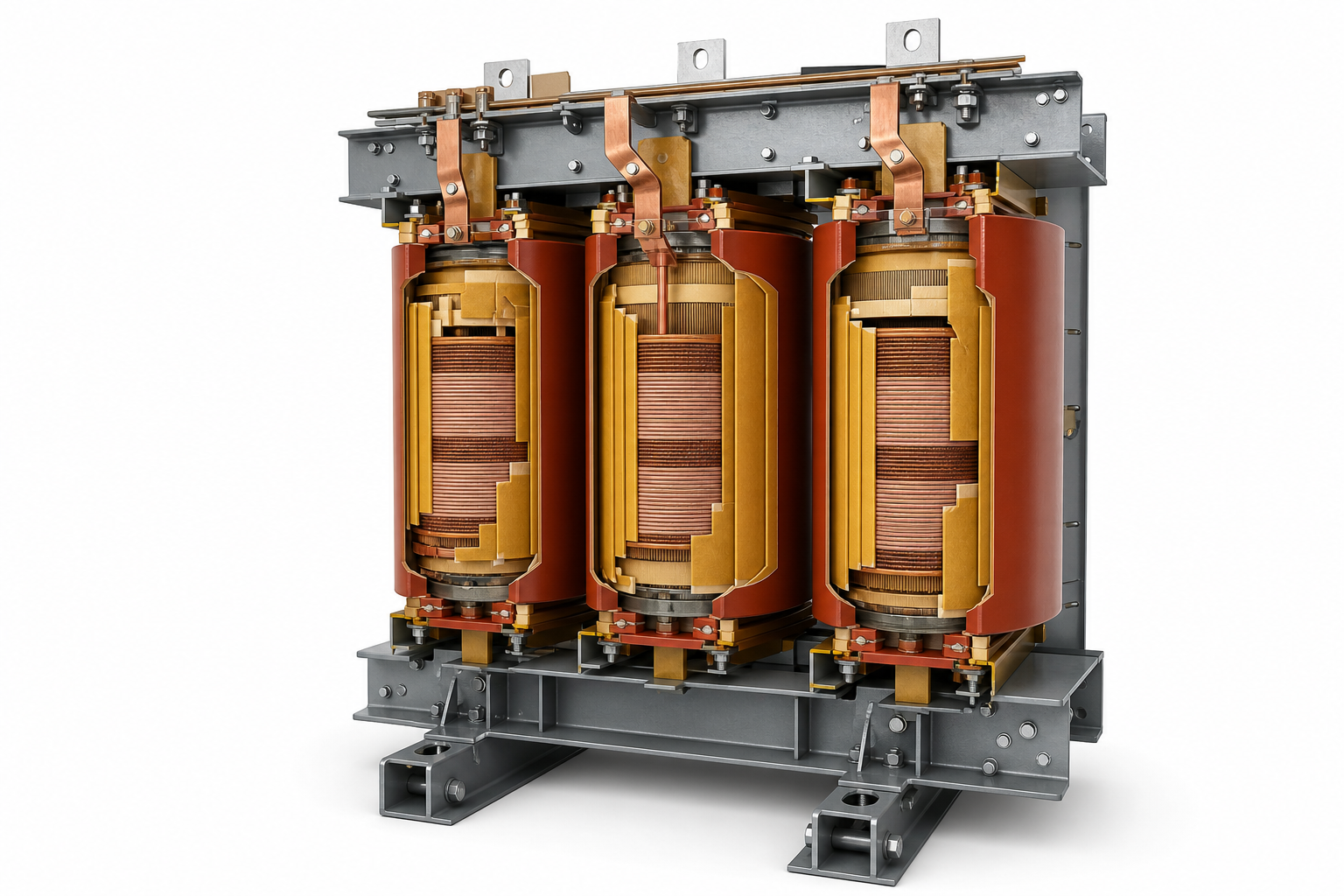
Mica is valuable because its plate-like mineral structure provides electrical insulation, heat resistance and good dimensional stability. In transformers it may appear as tape, paper, rigid or flexible laminates, barriers, washers and custom-cut components—especially in dry-type, traction and high-temperature designs. It is not the only transformer insulation. Cellulose, aramid, polyester films, glass fabrics, epoxy systems and other materials may be more appropriate elsewhere in the same design.
Quick Comparison of European Mica Suppliers
| Supplier | European base | Supplier type | Publicly documented mica offer | Transformer-use evidence and qualification check |
|---|---|---|---|---|
| KREMPEL | Germany | Manufacturer and insulation-system specialist | Mica paper, flexible and rigid products, VPI and resin-rich systems | Checked public mica range explicitly includes transformer applications; qualify the exact grade and winding process. |
| ISOVOLTA | Austria | Manufacturer of electrical insulation materials | Mica tapes plus flexible laminates and coated materials | Transformer insulation and mica products are both described; confirm that the offered mica grade is suitable for the target transformer process. |
| COGEBI | Belgium/Czech Republic | Mica-product manufacturer | High-voltage mica tapes, sheets and VPI materials | Public high-voltage mica material is shown; request transformer-specific grade and test evidence. |
| Von Roll | Switzerland | Electrical insulation-system supplier | Mica tapes and high-voltage insulation systems | Reviewed mica literature is mainly rotating-machine focused; do not assume winding suitability without transformer evidence. |
| Dr. Dietrich Müller | Germany | Converter and specialist distributor | Mica tapes, VPI ribbons, paper, sheets and machined parts | Mica tapes, plates and converted parts are listed; verify the supplying manufacturer/site and grade-specific evidence. |
| KEMAITE | Germany | Manufacturer and converter | Mica tapes and laminates promoted for transformers and rotating machines | Checked mica laminate pages explicitly mention transformers; verify the exact grade, process and test reports. |
| Mica Tapes Europe | Belgium | Mica specialist and converter | Fire-resistant tapes, rigid sheets and industrial mica products | Mica tapes and sheets are listed, but transformer-winding qualification was not established in the checked source. |
| Saveway Isolierstoffe | Germany | Stockist and insulation supplier | Mica insulation materials held within a broad electrical range | Mica materials are listed for supply; transformer-specific qualification was not established in the checked source. |
1. KREMPEL — Broad Transformer Insulation Capability
KREMPEL is one of the strongest first calls when a project needs more than a commodity roll of tape. Its public portfolio covers mica products for electrical insulation, including flexible and rigid materials and systems for high-voltage applications. The company also presents dedicated solutions for the energy sector and dry-type transformers.
The practical advantage is system-level discussion. A transformer designer can evaluate mica alongside pressboard-like components, flexible laminates and other insulation materials rather than qualifying each item in isolation. Ask which KREMICA grade matches the winding process, resin chemistry, thermal class and mechanical stress. Also verify which site manufactures or converts the offered grade and which test reports will accompany production lots.
Best for: engineered insulation packages, dry-type transformer projects and buyers needing technical application support.
2. ISOVOLTA — Mica Within a Wider Insulation Portfolio
Austria-based ISOVOLTA supplies materials for energy equipment, including low-voltage and transformer insulation and high-voltage systems. Its portfolio includes flexible laminates, coated materials and mica tapes. That breadth is useful when a transformer bill of materials combines several dielectric and mechanical functions.
ISOVOLTA should be evaluated by exact product family rather than company reputation alone. Request a datasheet showing nominal thickness, tolerance, backing, binder content, thermal rating, dielectric properties and compatibility with the planned impregnation or curing cycle.
Best for: OEMs that want a coordinated family of flexible insulation materials and documented material options.
3. COGEBI — Specialist High-Voltage Mica Technology
COGEBI has European operations and a long-established focus on mica. Its public high-voltage mica range includes VPI and other coil-insulation materials. Much of the visible application evidence concerns motors and generators, so transformer buyers should not assume every grade transfers directly to transformer windings.
COGEBI is still highly relevant when a transformer application has high-voltage coil, thermal-barrier or custom mica-component requirements. Send the electrical stress, temperature, geometry and resin process with the enquiry. Ask the company to nominate a transformer-suitable grade and provide application references or qualification data.
Best for: technically demanding mica systems where specialist material knowledge matters more than catalogue breadth.
4. Von Roll — Integrated High-Voltage Insulation Expertise
Swiss-headquartered Von Roll supplies mica tapes and complete electrical insulation systems. Its published technical literature covers mica-based systems for high-voltage windings, although much of the easily accessible material focuses on rotating machines. For transformer use, qualification must therefore be grade- and application-specific.
The company belongs on a shortlist when the engineering team wants support across tape, resin and process interactions. In the RFQ, identify whether the mica acts as the main dielectric, a turn or layer insulation, a heat shield or a machined barrier. Do not accept a generic “high-voltage mica” description without a grade code and test conditions.
Best for: global OEMs, special high-voltage insulation challenges and projects needing system-level consultation.
5. Dr. Dietrich Müller — Converting and Custom Parts
Dr. Dietrich Müller GmbH in Germany offers mica tapes, plates and related forms, including VPI mica ribbon, mica paper, flexible and rigid sheets, and converted components. A converter can be particularly valuable when the project needs drawings turned into washers, barriers or low-volume prototype parts.
Buyers should clarify whether the quoted material is manufactured by Müller or sourced from another producer, and which party owns the material specification. For custom parts, include drawing revision, edge quality, burr limits, flatness, hole tolerances, cleanliness and packaging requirements.
Best for: prototypes, die-cut or machined mica parts, small batches and mixed insulation-material orders.
6. KEMAITE — Custom Mica Tapes and Laminates
KEMAITE Gruppe markets mica tapes and laminates for cables, motors, generators and transformers. Its transformer relevance is explicit, making it a useful candidate for custom widths, backing combinations or composite constructions.
Compare offered products on mica type, paper weight, glass or film backing, resin/binder percentage, flexibility, tensile strength and storage life. A sample winding trial is more informative than selecting by temperature headline alone because handling, overlap and resin pickup affect production performance.
Best for: custom-converted tapes and laminate constructions with application-specific dimensions.
7. Mica Tapes Europe — Focused Mica Product Range
Belgium-based Mica Tapes Europe supplies mica tapes, rigid sheets and other industrial mica materials. Its most visible specialization is fire-resistant cable tape, so transformer buyers should treat it as a candidate to qualify—not assume cable tape is suitable for a winding system.
This supplier can be useful when local conversion, responsive sampling or rigid-sheet requirements are important. Request a written statement of intended transformer use, the material standard, dielectric test method and long-term thermal data for the precise construction offered.
Best for: buyers needing a focused European mica contact, samples and converted mica formats.
8. Saveway Isolierstoffe — Stock and Multi-Material Procurement
Saveway Isolierstoffe is a German insulation-material supplier and stockist with mica among a broad range of electrical products. A stockist can help maintenance teams and smaller manufacturers obtain practical quantities without opening separate factory accounts.
The trade-off is traceability complexity. Confirm the original manufacturer, country of origin, exact grade, storage history, remaining shelf life and whether repeat orders will come from the same source. For safety-critical or design-qualified parts, supplier substitution must require approval.
Best for: maintenance, replacement stock, mixed orders and projects where availability is the first constraint.
How to Choose the Right Mica Supplier
Start with the function, not the material name. “Mica sheet” is too vague for a reliable quotation. Define whether the component provides primary dielectric insulation, a thermal barrier, mechanical spacing, fire resistance or a combination of functions.
Then compare suppliers using the same technical schedule:
- Mica source and type: muscovite, phlogopite or synthetic mica; origin and traceability.
- Construction: paper weight, backing material, binder or resin type and percentage.
- Dimensions: thickness and tolerance, roll width and length, sheet size or finished-part drawing.
- Electrical performance: dielectric strength, partial-discharge expectations and test conditions.
- Thermal performance: temperature index or thermal class supported by a recognized test method.
- Process compatibility: VPI or resin-rich process, cure schedule, flexibility and winding behavior.
- Compliance: applicable IEC requirements, REACH/RoHS declarations and customer-specific restrictions.
- Commercial controls: MOQ, sample lead time, series lead time, shelf life, packaging and change notification.
Standards and Responsible-Sourcing Checks
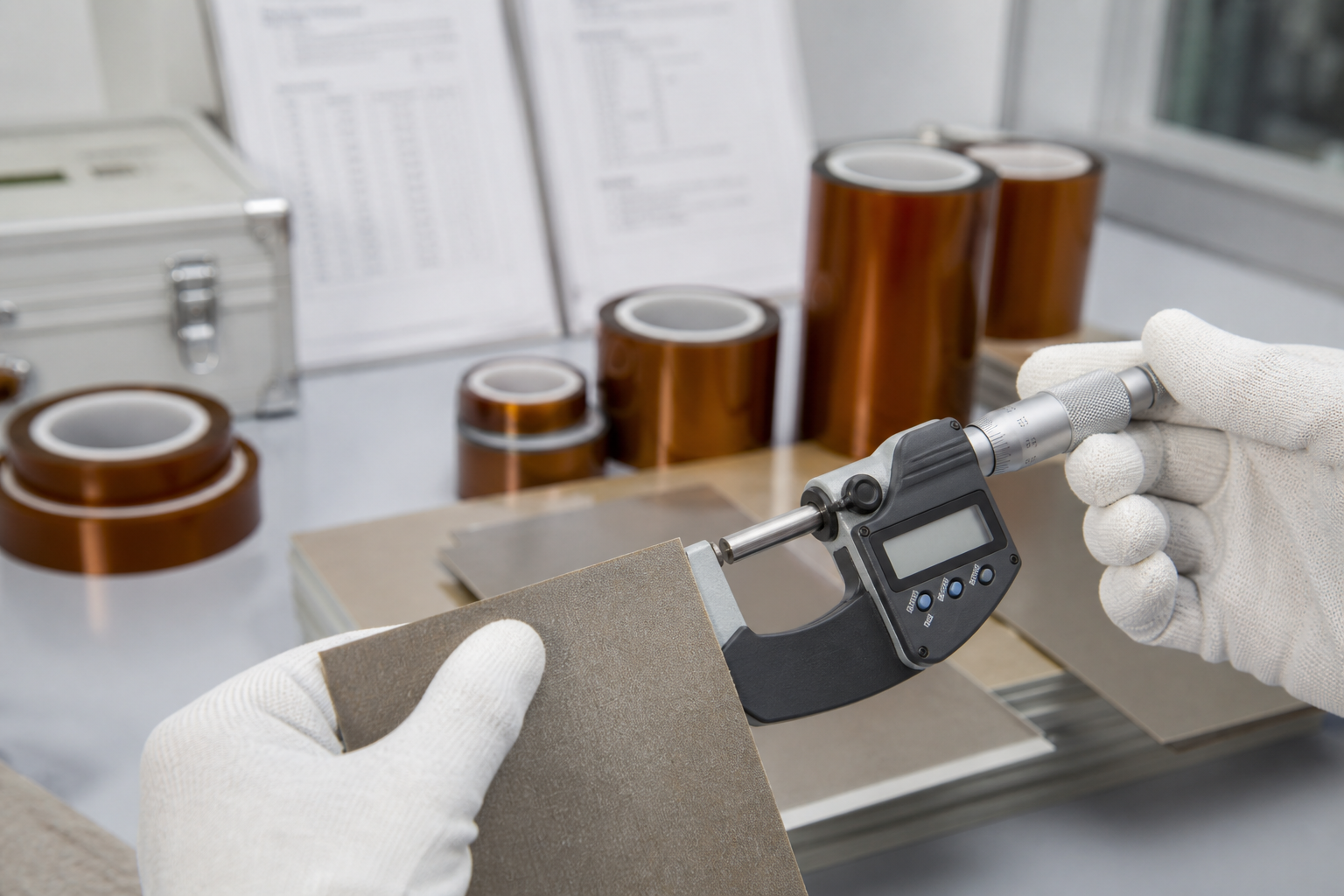
The IEC 60371 series covers specifications for insulating materials based on mica. The applicable part depends on whether the product is paper, tape, sheet or another processed form. Transformer design and testing also sit within the IEC 60076 family; neither standard removes the need to qualify the complete insulation system under real manufacturing conditions.
Ask for current REACH and RoHS statements where applicable, but do not confuse chemical compliance with ethical sourcing. The Responsible Mica Initiative explains upstream risks and industry programs. Buyers should request supply-chain mapping, due-diligence procedures and change-control commitments, especially when origin claims influence procurement policy.
RFQ Checklist for Transformer Mica
Attach the following to every request for quotation:
- application and location inside the transformer;
- rated voltage, insulation level and expected electrical stress;
- continuous and short-time temperature conditions;
- drawing, dimensions, tolerances and annual quantity;
- winding, forming, impregnation and curing process;
- required routine, type or batch tests;
- certificate of analysis and material traceability;
- sample quantity and acceptance trial;
- packing, humidity protection and shelf-life requirement;
- target delivery schedule and approved alternatives policy.
A supplier that asks detailed questions is usually safer than one that quotes from the keyword alone.
Related Transformer Procurement Resources
If the mica will be incorporated into a new unit, first define the transformer duty. LBAJI’s transformer product range gives a starting point for project discussion. The complete guide to transformer types and construction explains how winding and insulation choices relate to transformer construction. Buyers can also use the transformer procurement guide and transformer testing guide to prepare comparable quotations and acceptance evidence.
Frequently Asked Questions
For a neutral introduction to mica as an electrical engineering material, watch Mica & Asbestos: Properties, Products & Applications from Polytechnic Class. The video is background education only; supplier qualification must still use the project specification and verified test evidence.
What type of mica is used in transformers?
Muscovite, phlogopite and synthetic mica may be processed into paper, tape, sheets or laminates. The correct type depends on electrical stress, temperature, mechanical duty, resin chemistry and manufacturing process.
Is mica used in every transformer?
No. Transformer insulation systems often combine cellulose, aramid, films, glass, epoxy and other materials. Mica is selected where its dielectric, thermal or fire-resistant properties solve a specific design requirement.
How should European mica suppliers be compared?
Compare exact grade data, application evidence, process compatibility, testing, traceability, change control, MOQ, lead time and technical support—not just nominal thickness or temperature claims.
Can cable-grade mica tape be used in a transformer winding?
Not automatically. Cable and transformer processes impose different mechanical, resin and electrical requirements. The supplier and transformer designer should approve the precise construction after trials and tests.
What should be tested during sample approval?
Typical checks include thickness, tensile and handling behavior, dielectric properties, resin compatibility, curing response, dimensional stability and performance in a representative winding or component trial.
Conclusion
This list is an enquiry shortlist, not eight pre-approved transformer-mica suppliers. Of the supplier-owned pages checked, KREMPEL and KEMAITE explicitly connect mica products with transformer applications; the others require grade-specific confirmation. Compare one controlled material grade against the winding process, resin system, thermal and electrical duty, then review samples and test evidence before commercial selection.