
A 250KVA oil immersed power transformer RFQ is useful only when electrical, site and document requirements are defined on the same sheet. A kVA label without voltage, connection group, loss basis and installation conditions leaves suppliers free to quote different configurations.
Begin with the approved single-line diagram and load data. Then use catalog figures as a screening reference while reserving final decisions for the issued datasheet, GA drawing and agreed test documentation.
Part 1. Define the 250 kVA duty before requesting prices
The first decision is the duty at the connection point, not the product name. State the primary and secondary voltage, frequency, expected loading, grounding philosophy, downstream protection context and future load changes that could affect the selection.
At this capacity, the project team should also agree whether the request concerns a distribution duty, an equipment replacement or a new feeder. Those contexts can require different drawings, cable interfaces and site information.
The Transformer category provides the product-line overview. For wider capacity comparison, see the 500KVA oil-immersed selection guide and the oil-immersed conservator versus sealed tank guide.
Part 2. Put comparable electrical data into every quotation
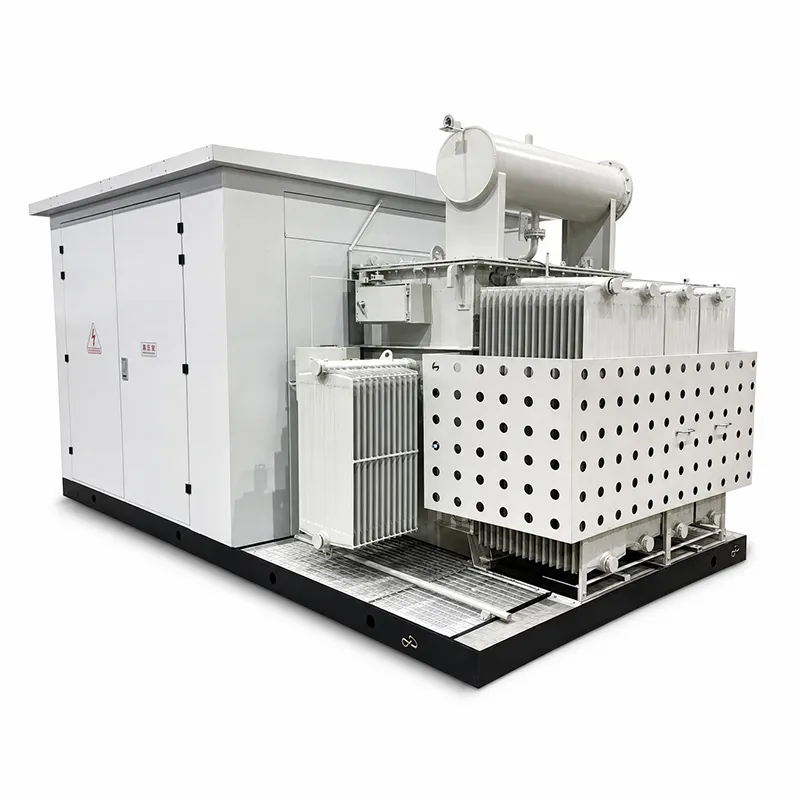
LBAJI publishes an S11-M-250 row on its S□-M oil-immersed power transformer series page. It is a catalog reference, so use it to prepare the technical comparison sheet rather than to assume a final project configuration.
| Item | Published reference or decision | Why it matters | Send with quote |
|---|---|---|---|
| Rated capacity | 250 kVA | Establishes the duty basis | load schedule |
| Voltage combination | 6–11 kV / 0.4 kV options are published | Defines system connection | approved primary and secondary voltage |
| Connection group | Dyn11 or Yyn0 options are published | Affects grounding and loss comparison | required vector group |
| Tap range | ±5% or ±2 × 2.5% options are published | Supports voltage planning | tap requirement |
| No-load loss | 400 W for S11-M-250 | Supports lifecycle comparison | loss basis and tolerance |
| Load loss | 3200/3050 W by published connection-group basis | Must be normalized across bids | connection group and reference basis |
| Impedance | 4.0% catalog reference | Relates to protection coordination | project impedance target |
| Dimensions and weight | 1200 × 800 × 1190 mm; 955 kg | Supports civil planning | issued GA drawing request |
Every bid should identify its voltage, vector group and loss basis in the same table. If any one of these differs, the quoted transformer may not be technically comparable even when both are labelled 250 kVA.
Part 3. Read losses, vector group and impedance in context
No-load loss is present while the transformer is energized; load loss varies with current and the stated reference condition. Both should be compared using identical assumptions, not copied from different catalog columns into a single cost estimate.
The published S11-M table separates certain lower-capacity load-loss values by connection group. Keep the selected vector group visible in the quotation review, because it affects the interpretation of that row as well as the system grounding arrangement.
A 4.0% catalog impedance reference is not an automatic fit for every protection study. Give the project target and available fault-level information to the responsible engineer before treating a catalog percentage as approved.
Important: A catalog loss, impedance or dimension figure does not demonstrate utility acceptance, site-code compliance or final protection coordination. The approved project documents and engineering review control those decisions. Source: IEEE C57.12.00.
Part 4. Bring site foundation and environmental inputs into the review
Oil-immersed equipment needs an installation review that covers lifting access, transformer footprint, cable route, clearances, drainage or containment arrangements and local environmental conditions. A catalog size and weight can support early planning, but the issued GA drawing controls final foundation and handling decisions.
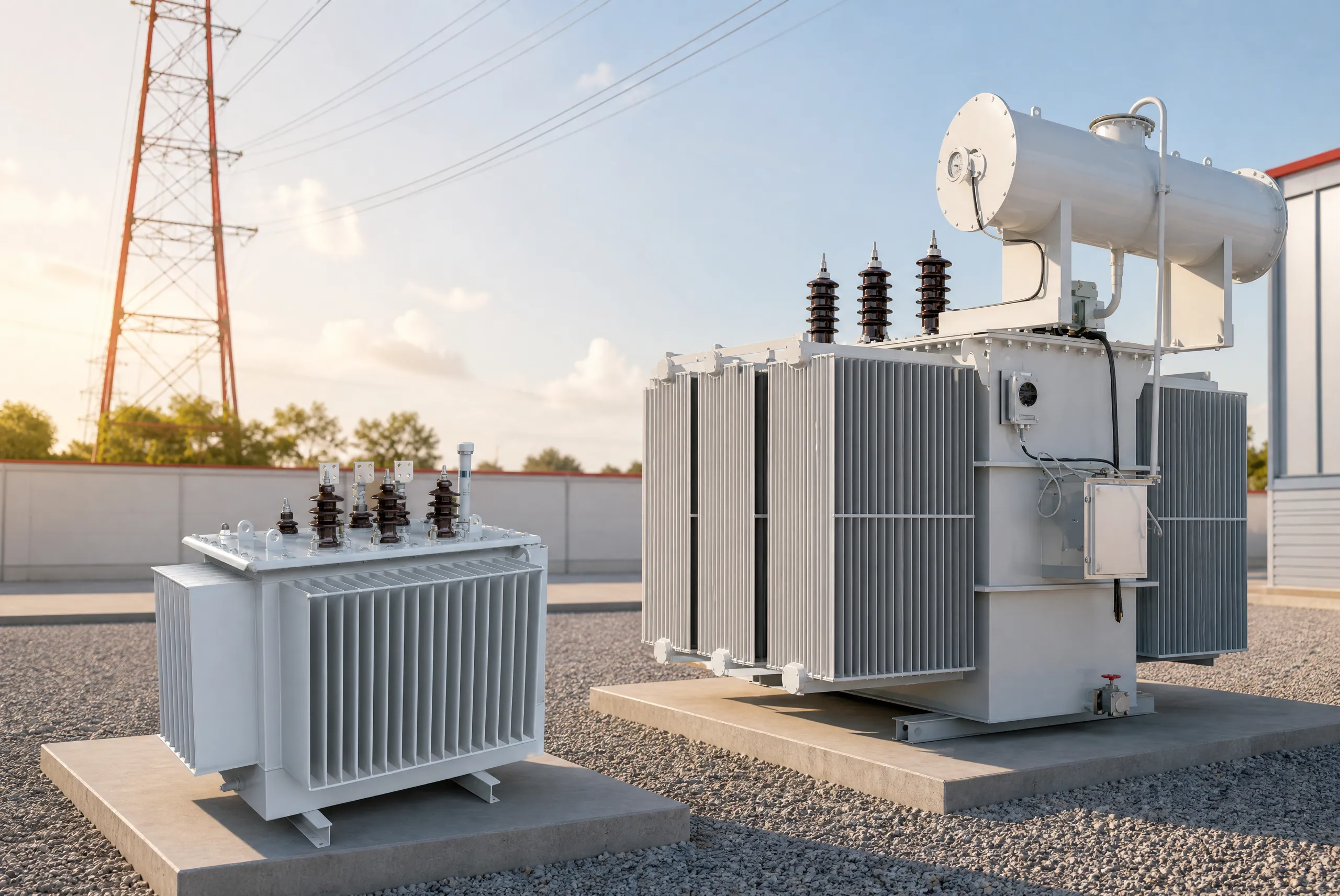
Describe whether the location is indoor or outdoor, the ambient range, elevation, access route and any project requirements for oil management or fire separation. Do not infer a site code outcome from the cooling method alone.
Part 5. Request documents that support a purchase decision
The RFQ should request evidence that directly connects the proposed transformer to the project inputs. This prevents a procurement decision from relying only on a short product description.
| Document or input | Why it is needed | Timing |
|---|---|---|
| Single-line diagram and voltage data | Confirms electrical interface | RFQ issue |
| Vector group, tap and impedance target | Supports protection and grounding review | RFQ issue |
| Loss schedule and comparison basis | Allows like-for-like bid analysis | quotation review |
| GA drawing and foundation loads | Supports layout, lifting and civil design | before order release |
| Terminal and outgoing-connection drawing | Coordinates cables or busbars | before fabrication review |
| Routine-test documentation and agreed test scope | Defines acceptance evidence | contract review |
Include site conditions, desired nameplate language, shipping constraints and any witness-test request. If a requirement is not known, label it for confirmation rather than silently assuming a standard configuration.
Part 6. Use the LBAJI oil-immersed series as a review starting point
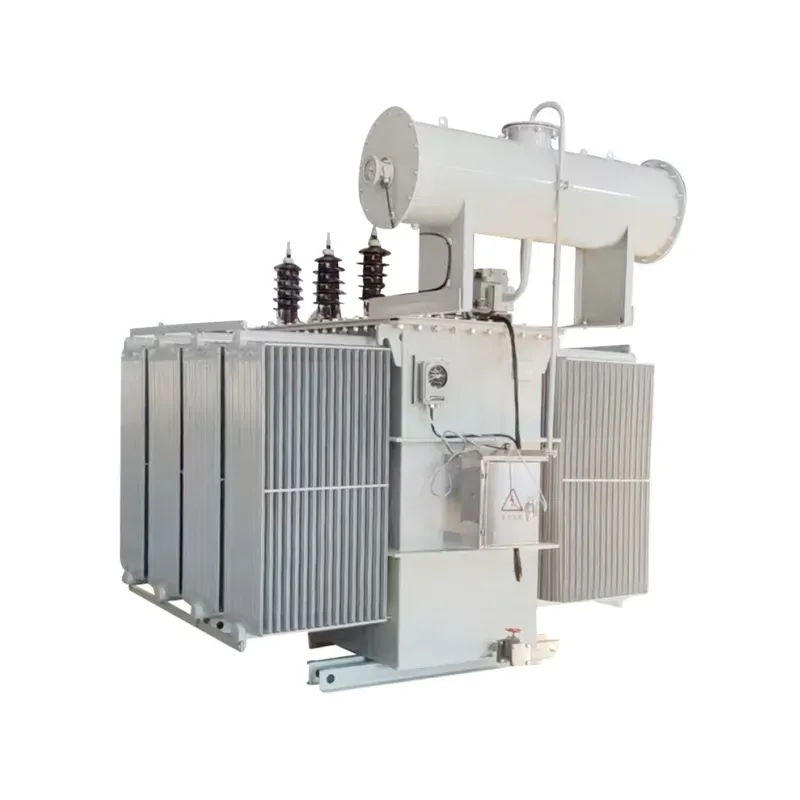
The S□-M oil-immersed power transformer series is the appropriate LBAJI catalog entry point for a 250 kVA oil-immersed review. Its published series data can help structure the request, while the final order should follow the confirmed model-specific documents.
| Better fit | Needs additional engineering confirmation |
|---|---|
| A project with defined voltages, load profile and connection group | A purchase request based only on capacity and a product photograph |
| Buyers able to compare loss data on a shared basis | A bid comparison that mixes unlike vector groups or loss columns |
| A site team that can provide layout and access constraints | An assumption that catalog dimensions finalize the foundation |
Use Contact Us to submit the electrical and site inputs for a configuration-specific review.
Part 7. Avoid procurement mistakes that hide configuration differences
- Comparing 250 kVA quotations without fixing the primary and secondary voltage.
- Omitting vector group and then comparing load-loss values that use different bases.
- Treating catalog impedance as a replacement for protection coordination.
- Releasing civil work from a reference size instead of an issued GA drawing.
- Requesting tests without identifying the required standard, documentation or witness scope.
- Stating utility acceptance, environmental compliance or a project delivery result without supporting evidence.
FAQ
What is a 250KVA oil immersed power transformer used for?
It can be considered for a defined distribution duty when the project’s load, voltage and installation inputs fit that rating. The final application must be checked against the approved electrical and site design.
Which 250KVA transformer values should be compared on the same basis?
Compare voltage combination, vector group, tap range, no-load loss, load-loss reference basis, no-load current, impedance, dimensions, weight and the requested test-document scope. A capacity label alone does not make bids equivalent.
Is a 4% impedance value automatically correct for the project?
No. A catalog impedance reference is a starting point. The project protection study, available fault level, grounding arrangement and downstream equipment must be reviewed before the final value is accepted.
What documents should be requested before a purchase order?
Request the approved datasheet, GA and foundation information, terminal arrangement, loss and impedance basis, nameplate details, routine-test documentation and any agreed witness-test scope. The contract may require additional project-specific documents.
Can a 250KVA oil immersed transformer be placed outdoors without further review?
Outdoor suitability depends on the ordered construction, environmental exposure, access, containment and applicable project requirements. Confirm those conditions rather than assuming that oil immersion alone answers the question.
Do catalog values control the final purchase order?
No. Catalog values help screen options. The approved configuration, drawings and agreed documentation control the transformer that is ordered.