
The pad-mounted vs substation transformer decision is really a siting decision: public space with incidental contact, or a controlled yard behind a fence.
Utilities and EPC teams choose between tamper-resistant enclosed units and open substation designs based on access, protection philosophy, and maintenance practice. This guide compares them factor by factor.
Confirm network practice and site ownership before shortlisting either design.
Part 1. Two designs for two siting realities
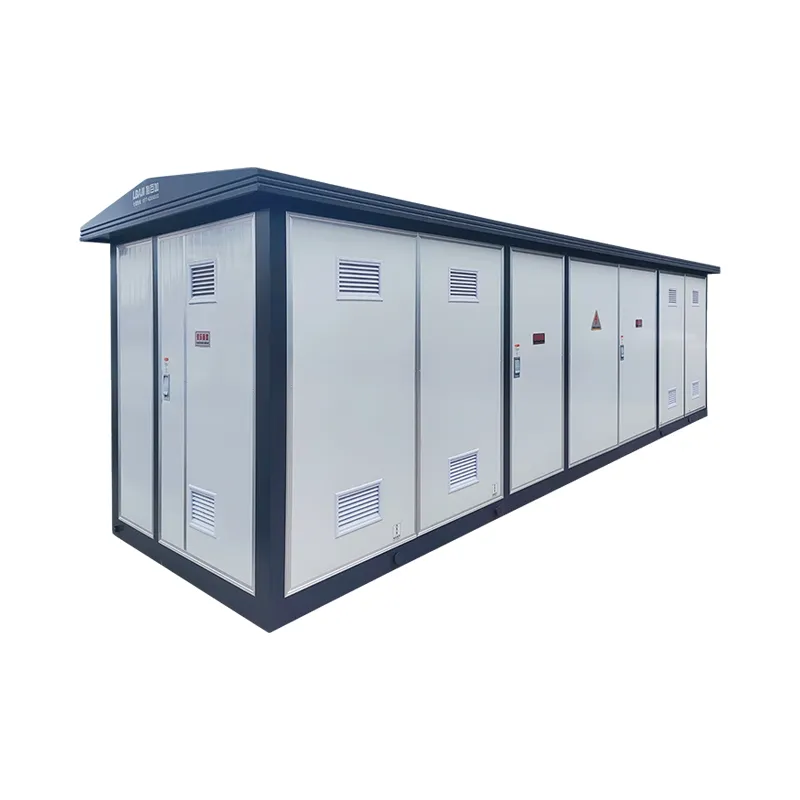
A pad-mounted transformer lives in public space: locked, dead-front, tamper-resistant, on a ground-level pad among buildings.
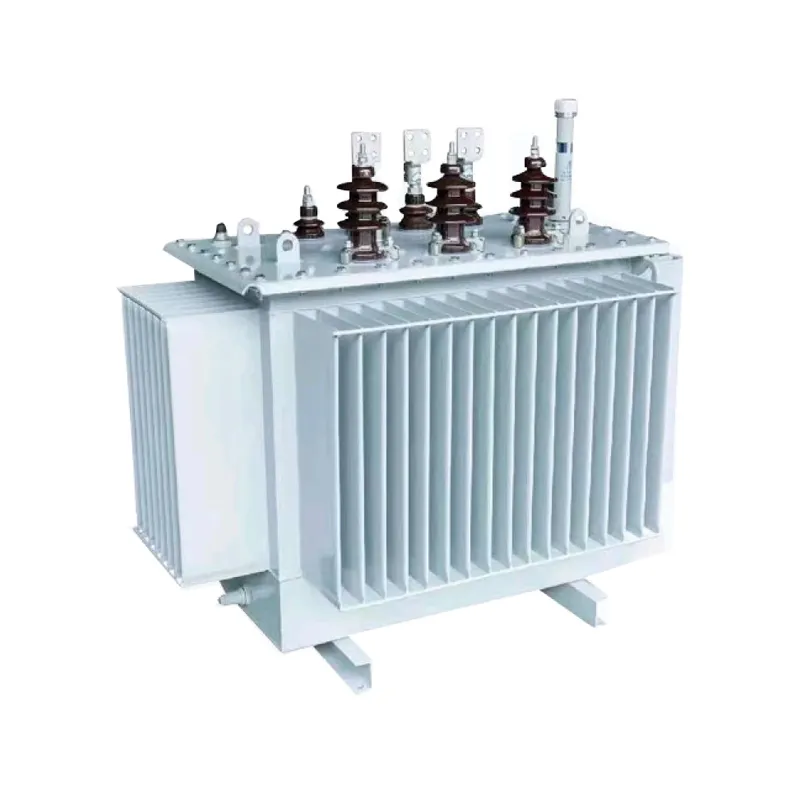
A substation transformer lives in a controlled compound: open bushings, external protection, room to maintain, behind fencing and signage.
For related context, see the distribution transformer types and applications overview.
For related context, see the dry type vs oil immersed comparison guide.
Part 2. Comparison at a glance
Use the matrix in early siting reviews, then confirm details on issued drawings.
| Factor | Pad-mounted | Substation type |
|---|---|---|
| Typical siting | Public and commercial areas, ground-level pad | Fenced utility or plant compound |
| Enclosure | Sealed, lockable, dead-front cabinet | Open terminals with separate switchgear |
| Public safety approach | Tamper-resistant enclosure itself | Perimeter security and clearance distances |
| Protection and switching | Internal fusing or integrated switching per design | External relays, breakers, and disconnects |
| Capacity range | Distribution ratings | Distribution through large power ratings |
| Maintenance access | Front compartments, limited internal access | Full walk-around access to every fitting |
IEEE C57.12.34 covers pad-mounted compartmental designs, while substation practice follows general power transformer standards—use both to anchor RFQ language.
Part 3. Enclosure, security, and public access
Pad-mounted cabinets integrate cable terminations behind locked, dead-front panels precisely because the public can touch the enclosure.
Substation designs assume trained access only, trading enclosure cost for maintainability and heat dissipation.
Vandalism exposure, flood level, and vehicle impact risk all belong in the siting review.
Part 4. Protection and switching differences
Pad-mounted designs often carry integrated fusing and load-break switching sized for the radial or loop network they serve.
Substation transformers rely on external protection—relays and breakers—that a utility can coordinate and expand over time.
Network philosophy usually decides: loop-fed public distribution favors pad-mounted units, while stations with evolving protection favor substation designs.
Part 5. Installation and lifecycle
Pad installation needs a compact civil pad, cable trenches, and clear working space at the front doors.
A substation unit needs a compound: foundations, containment where oil rules apply, fencing, and clearance distances.
Lifecycle differs too—compartment access limits some diagnostics on pad-mounted units, while substation yards accept full test crews.
Part 6. Product recommendation and Fit Boundary
Product recommendation: Both paths start from distribution series selection; enclosure and protection integration come next. Start at the transformer product category, then review the S□-M oil-immersed power transformer series and the SC(B) resin insulated dry transformer series against the approved specification.
| Better fit | Poor fit without extra study |
|---|---|
| Utilities standardizing loop-fed public distribution | Public siting for open-terminal substation designs |
| Plants with fenced compounds and protection crews | Pad-mounted units where full test access is routine |
| Projects matching enclosure to flood and impact risk | Choosing by first cost without a siting review |
Submit the rated kVA and voltage combination, vector group and tap range, no-load and load losses, cooling method and enclosure, and short-circuit impedance target through Contact Us for model-specific confirmation.
Part 7. Common selection mistakes
- Siting open substation designs in publicly accessible areas.
- Buying pad-mounted units where maintenance practice expects walk-around access.
- Ignoring flood level for ground-level pad enclosures.
- Underestimating compound civil costs when comparing prices.
- Leaving protection philosophy undefined until after purchase.
- Skipping the network standards review before fixing the design type.
FAQ
What is a pad-mounted transformer?
A distribution transformer in a locked, tamper-resistant, dead-front enclosure installed on a ground-level pad in areas with public access.
How does a substation transformer differ from a pad-mounted unit?
It uses open terminals with external protection inside a controlled compound, offering full maintenance access and larger ratings.
Which option suits urban residential feeders?
Pad-mounted designs—enclosure safety and compact pads fit public streetscapes and loop-fed networks.
Do pad-mounted transformers need fencing?
Generally the enclosure itself provides the public-safety barrier; local rules may still add spacing or bollards.
Which option is easier to maintain?
Substation designs—open access suits full diagnostics; pad-mounted compartments limit some field work by design.
Can pad-mounted transformers serve industrial loads?
Yes within distribution ratings—many plants use them for outlying loads; large or expandable stations favor substation designs.
What data should utilities send with an RFQ?
Network type, fault levels, enclosure and security requirements, flood and impact exposure, and the protection philosophy.