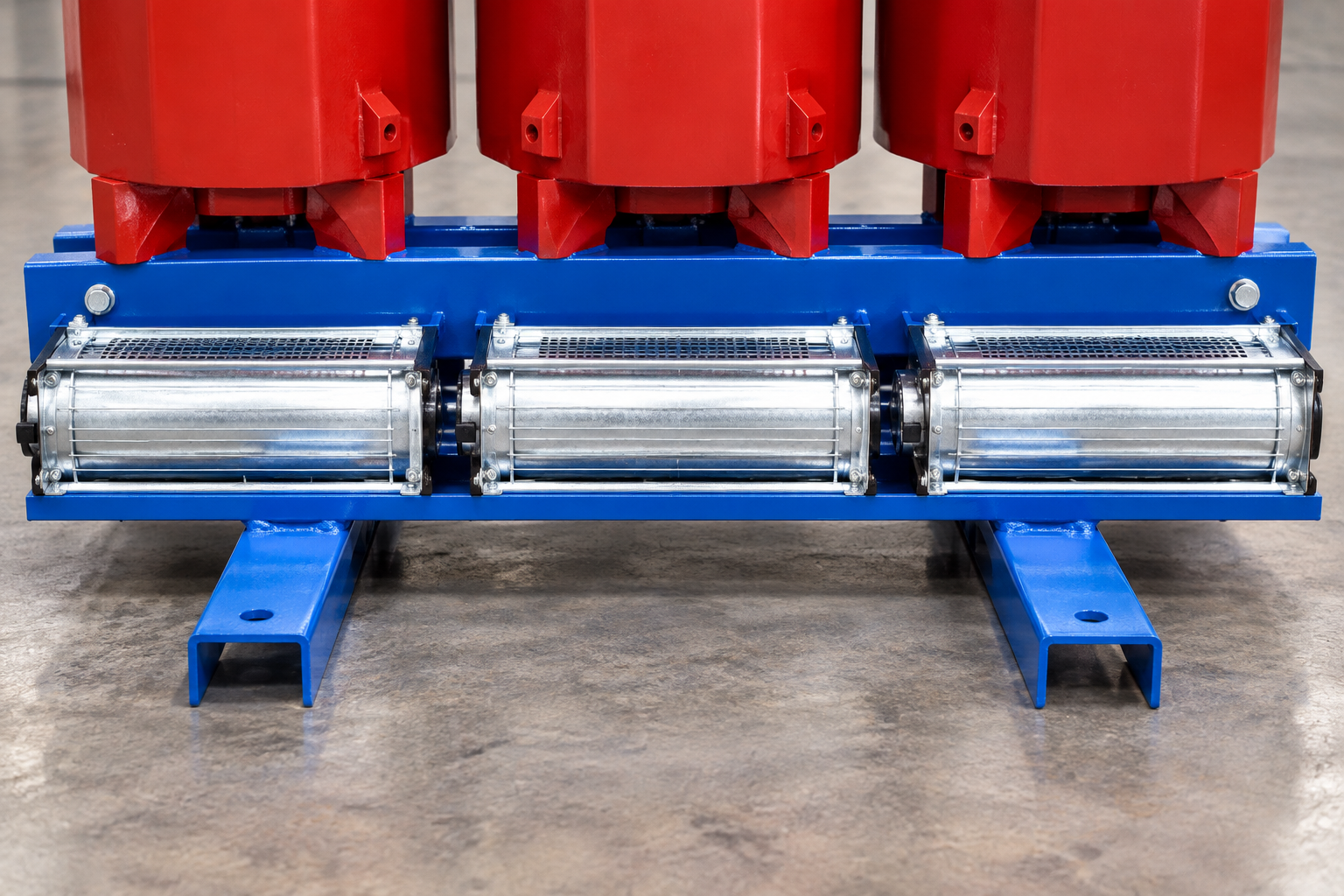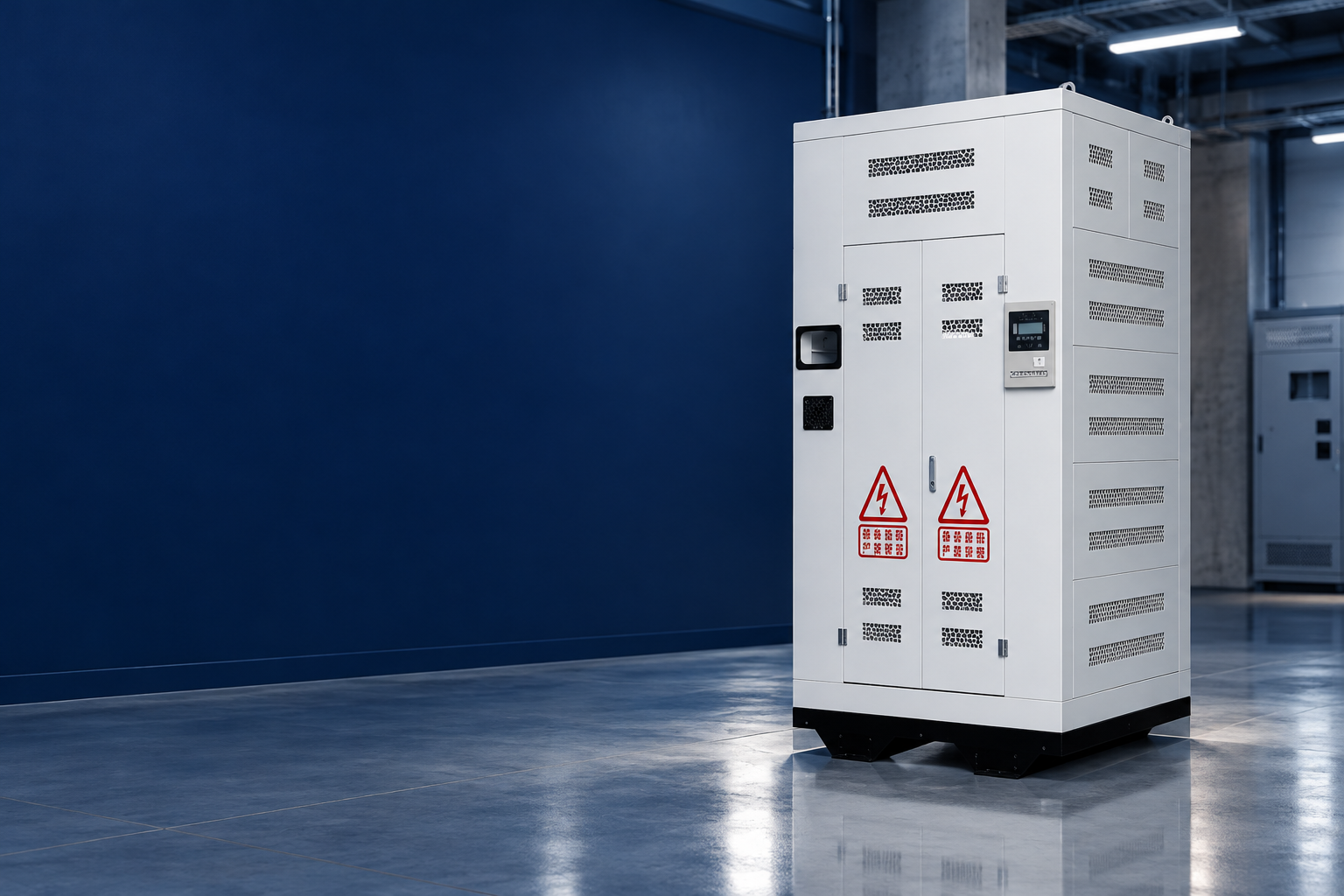

Transformer sound level planning decides whether a distribution unit fits an urban room, podium, or yard without costly redesign later.
Buyers who leave noise out of the RFQ often discover fan noise, wall reflections, or insufficient distance only after civil work starts. This guide explains what to specify, which mitigation options belong in early design, and which documents to request.
Lock cooling method and enclosure class before foundation and room layout freeze.
Part 1. When sound level becomes a project constraint
Urban offices, hospitals, schools, and mixed-use podiums treat audible noise as a layout constraint, not an accessory.
Distance to occupied spaces, wall construction, and ventilation openings change the same nameplate sound into very different on-site experience.
For adjacent planning notes, review the dry type vs oil immersed comparison guide and the dry type indoor installation ventilation guide.
Important: Do not treat a brochure silence claim as a site dB(A) result. Require a named measurement basis and confirm cooling method and enclosure before layout freeze (IEEE C57.94 dry-type installation recommended practice).
Part 2. Sound data and ratings to request with quotations
Ask every supplier for sound data on the same measurement basis and operating condition.
| RFQ item | Why it matters | Send with quote |
|---|---|---|
| Sound level at named basis | Makes bids comparable | Yes |
| Cooling method and enclosure | Fans and housings change noise | Yes |
| Rated kVA and voltage combination | Size drives core and fan sound | Yes |
| Vector group and tap range | Confirms the electrical package | Yes |
| No-load and load losses | Efficiency and thermal design context | Yes |
| Short-circuit impedance target | Protection coordination still applies | Yes |
State whether values cover natural cooling only or include forced-air stages.
Part 3. Indoor dry type rooms versus outdoor oil yards
Indoor dry type units often sit closer to occupied floors, so ventilation paths and clearances affect both cooling and noise.
Outdoor oil immersed units may benefit from distance and yard barriers, but pad-mount proximity to property lines still needs review.
Cooling method and enclosure choices should follow the approved site plan, not a generic preference for dry or oil technology.
Part 4. Mitigation options that belong in early design
Practical levers include greater distance, solid barriers, resilient mounts, acoustic panels, and fan staging that matches load.
Late add-on housings can block ventilation and raise winding temperature if not engineered with the cooling class.
Document which mitigations sit in the contractor scope versus the transformer supplier scope.
Part 5. Drawings and checks before energization
Request GA drawings with overall dimensions, cable entry, and fan locations so the acoustic plan matches the delivered unit.
Confirm short-circuit impedance and loss certificates on the same basis used for electrical design.
Photograph nameplates and record baseline sound observations after energization for later troubleshooting.
Part 6. Match urban noise limits to candidate series pages
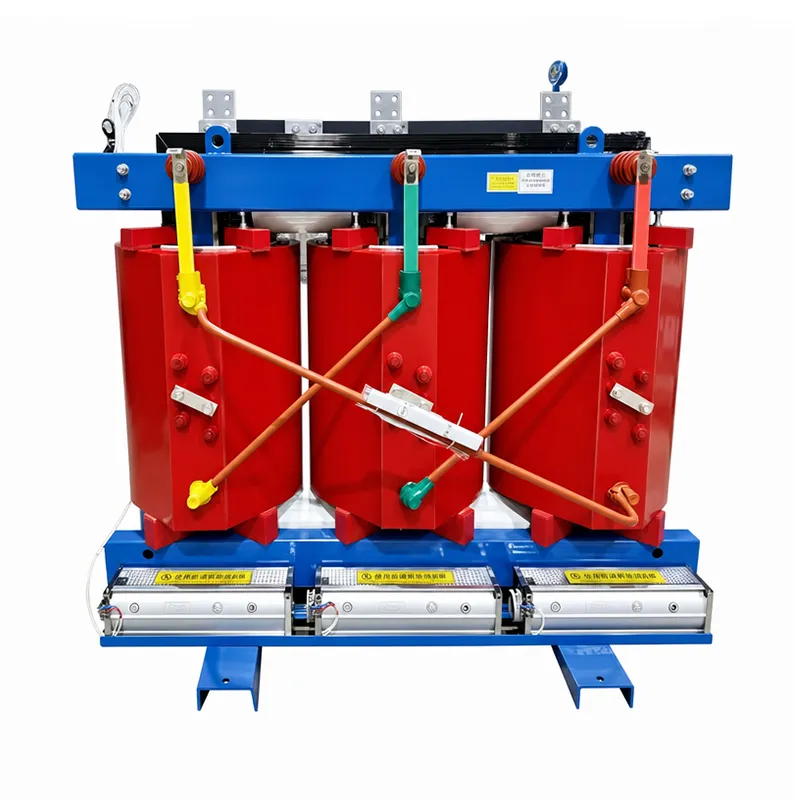
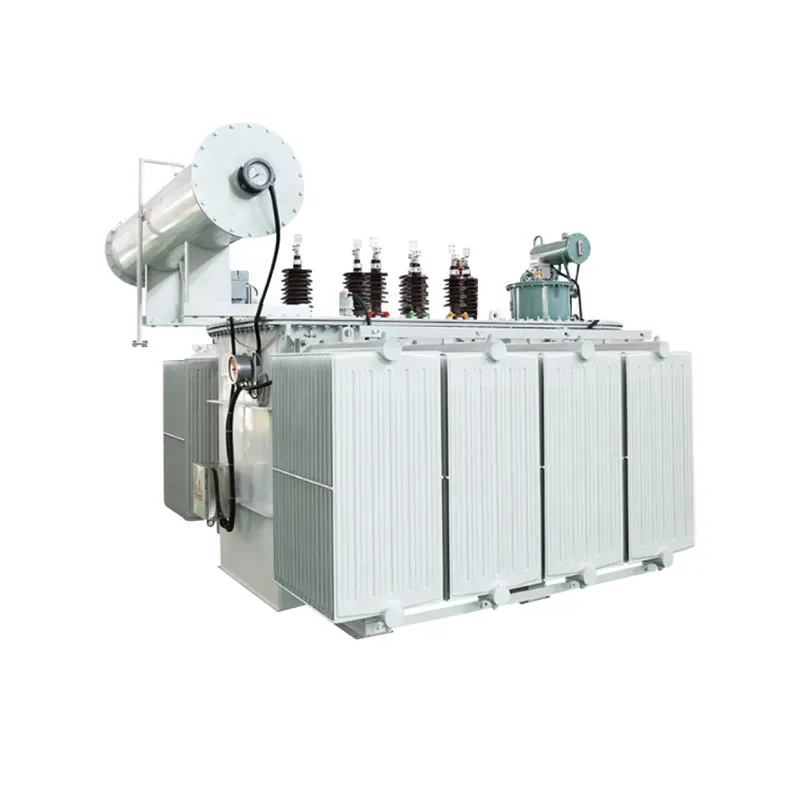
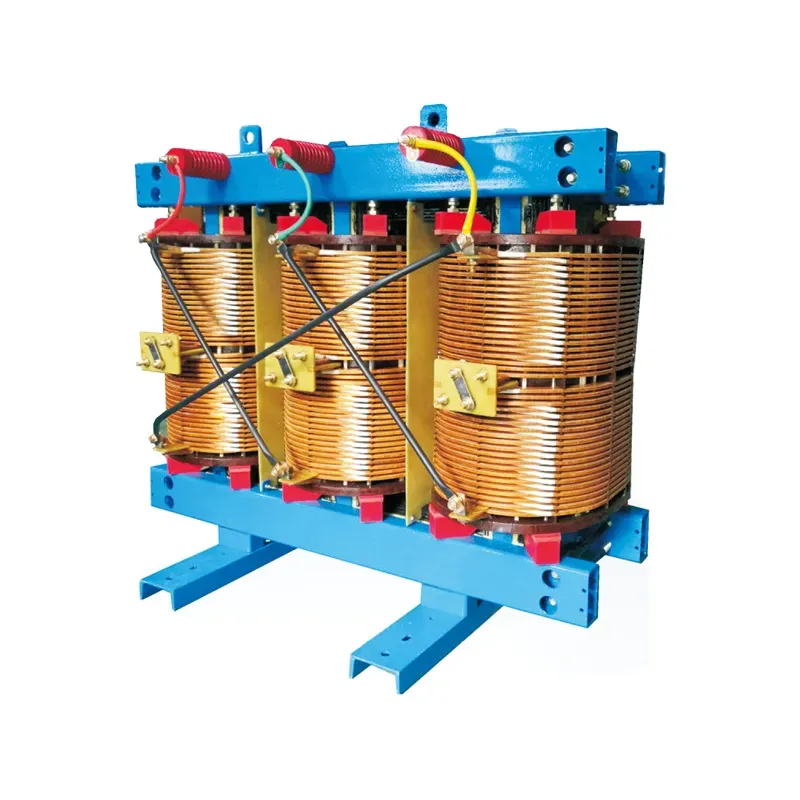
Product recommendation: For sound-sensitive urban feeders, begin series screening on the transformer product category, then compare the SC(B) resin insulated dry transformer series for indoor rooms and the S□-M oil-immersed power transformer series for outdoor pads with distance advantages.
| Better fit | Needs more study |
|---|---|
| Named sound basis and documented site distance | Silence claims without a measurement method |
| Enclosure and ventilation limits written early | Layout frozen before cooling class is selected |
| Access for barriers or acoustic treatment | Residential limits assumed without ambient survey |
Submit rated kVA and voltage combination, cooling preference, and enclosure notes through Contact Us for catalog confirmation.
Part 7. Sound-planning mistakes that reopen civil work
- Accepting silence claims without a measurement basis.
- Freezing room layout before cooling method and enclosure are selected.
- Ignoring forced-air fan contribution on peak load days.
- Placing dry type units against occupied walls without acoustic review.
- Treating catalog dimensions as final civil inputs.
- Omitting impedance and loss data while chasing only noise numbers.
FAQ
How should I specify transformer sound level in an RFQ?
Require sound data on one named measurement basis and state whether forced-air cooling stages are included.
Do dry type transformers always run quieter than oil immersed units?
Not always—room geometry, ventilation, and fan operation often dominate the difference more than technology labels.
Can an enclosure fix every noise complaint?
Enclosures help only when designed with the cooling path; blocked ventilation can create thermal problems.
Which ratings still matter when noise is the priority?
Still document rated kVA and voltage combination, vector group and tap range, no-load and load losses, cooling method and enclosure, and short-circuit impedance.
When should ambient surveys happen?
Before layout freeze for occupied urban sites, so distance and barrier options remain available.
Do fans change quoted sound levels?
Yes—request values for natural cooling and forced-air stages separately when fans are part of the design.
What should I send suppliers for a sound-sensitive project?
Send site distance notes, enclosure preferences, cooling limits, electrical ratings, and the required document list with your RFQ.