
Dry type vs oil immersed fire safety decisions shape room size, spill control, and emergency access long before the purchase order. For the broader construction and project-selection overview, see our dry-type transformer cooling and selection overview.
Building projects that pick technology from first cost alone often reopen civil and MEP design when ventilation or containment gaps appear. This guide compares the planning inputs for both options and lists quotation items that keep electrical ratings aligned with building constraints.
Confirm project authority requirements with the design team before layout freeze; this article does not replace local code review.
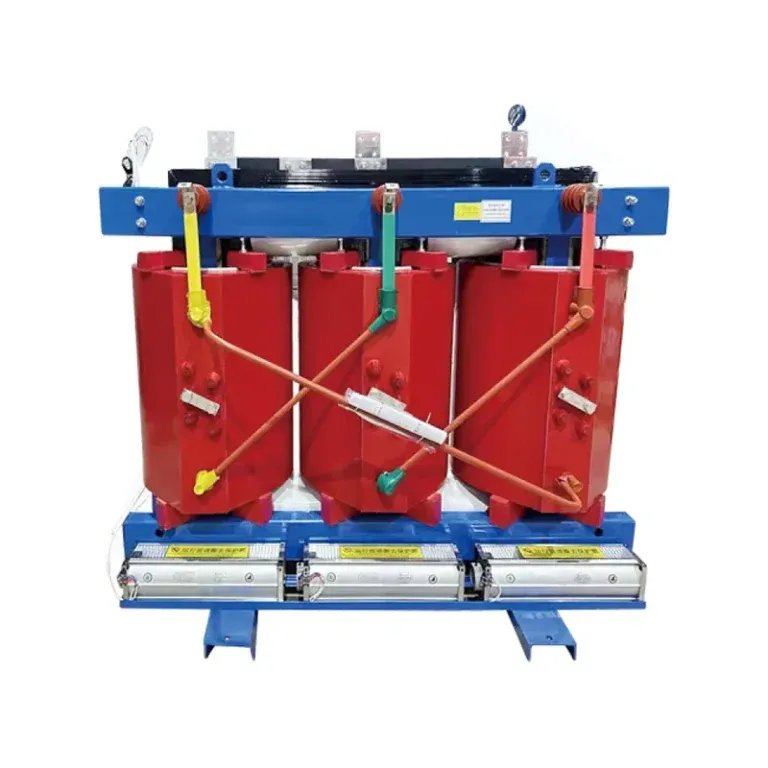
Part 1. Why fire interfaces must precede kVA freeze
Technology choice affects fire separation, oil volume handling, and indoor air paths.
Changing from oil immersed to dry type after foundations are poured often forces cable, room, and protection redesign.
For broader technology context, see the dry type vs oil immersed comparison guide and the oil immersed distribution transformer guide.
Important: Selecting dry type does not remove fire or thermal planning. Ventilation, clearances, and access still require coordinated design review (IEEE C57.12.91 dry-type transformer requirements overview).
Part 2. Building planning matrix for both technologies
Use the matrix in early design reviews, then confirm details on issued drawings.
| Planning factor | Dry type (resin/cast coil) | Oil immersed | Send with quote |
|---|---|---|---|
| Typical placement | Indoor electrical room | Outdoor yard, pad, or approved vault | Preferred location sketch |
| Liquid spill concern | Lower flammable liquid volume | Oil containment often required | Containment assumption |
| Ventilation focus | Room intake/exhaust and clearances | Tank relief and yard access | Cooling method and enclosure |
| Ratings still required | Rated kVA and voltage combination, vector group and tap range, no-load and load losses, short-circuit impedance | Same electrical package | Full ratings table |
Neither option removes the need for documented electrical ratings.
Part 3. Indoor dry type still needs ventilation design
Dry type reduces liquid spill concern but does not eliminate fire or thermal planning.
Clearances, cable termination space, and ventilation paths must match the cooling method and enclosure selected.
Hot, dusty, or poorly ventilated rooms can force derating or enclosure upgrades—record ambient and altitude early.
Part 4. Oil immersed units near occupied buildings
Oil immersed units often fit outdoor distribution, but proximity to occupied buildings raises spill and separation questions.
Plan bunding or equivalent spill control where the project requires it, plus lifting and access for tank weight.
Document cooling method and enclosure early so civil and fire consultants work from the same package.
Part 5. Documents that keep electrical and building teams aligned
Include primary and secondary voltage, vector group and tap range, impedance target, loss basis, cooling preference, and required test documents.
Request GA drawings, nameplate draft, and O&M outline before purchase order release.
Keep authority-facing assumptions in the project file, separate from supplier marketing claims.
Part 6. Shortlist series after building constraints are written
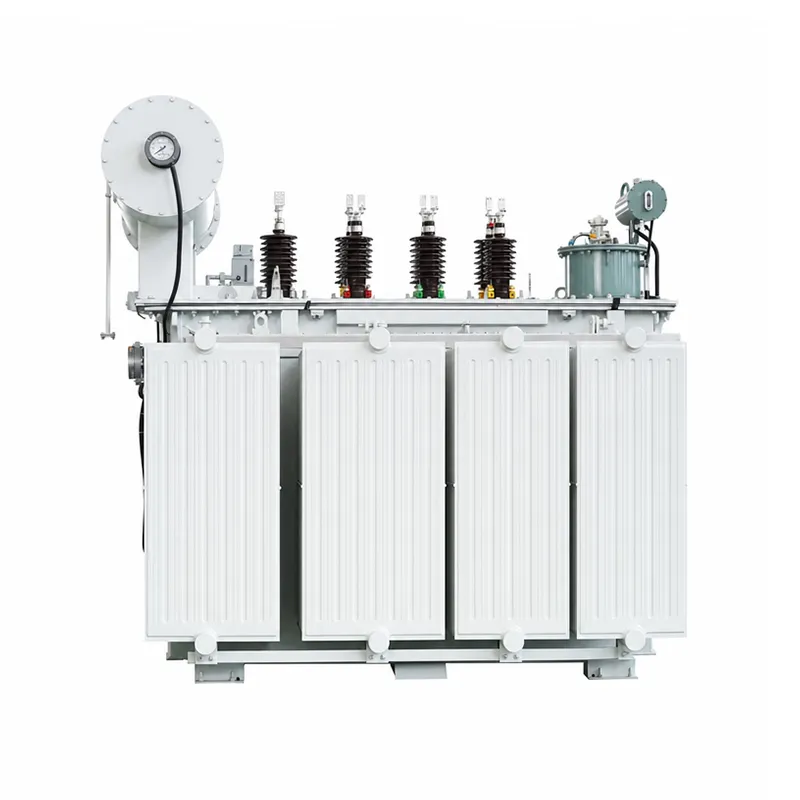
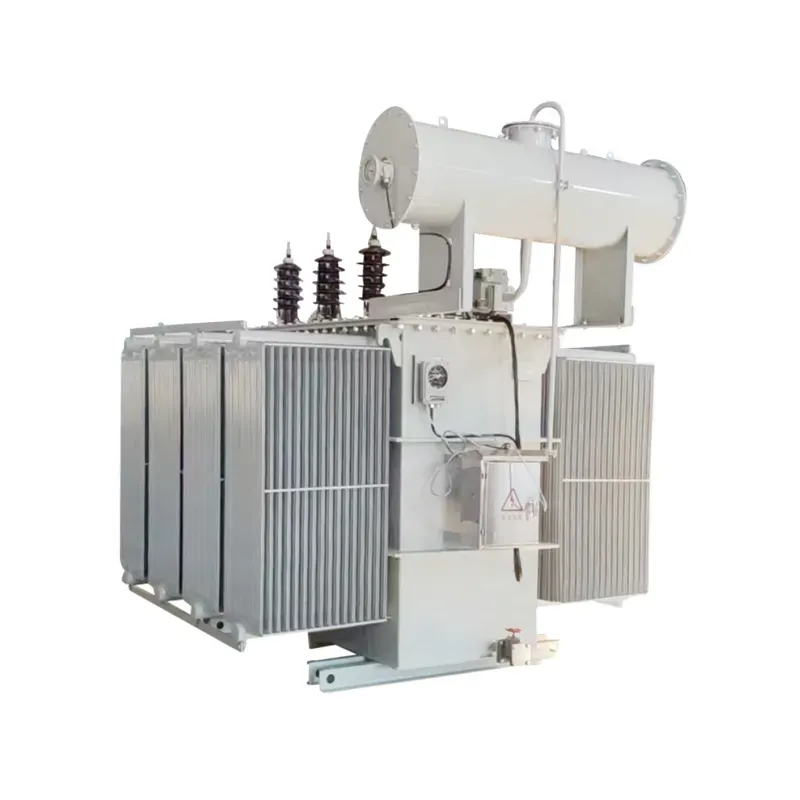
Product recommendation: After fire interfaces are written down, open the transformer product category and narrow to the SC(B) resin insulated dry transformer series for ventilated indoor rooms or the S□-M oil-immersed power transformer series for outdoor yards with containment planning.
| Better fit | Needs more study |
|---|---|
| Indoor rooms with engineered ventilation | Indoor oil placement without containment study |
| Outdoor yards with spill control and access | Occupied floors selected only on catalog price |
| Cooling method and enclosure fixed early | Late technology switches after civil freeze |
Send the ratings table and site notes through Contact Us for series confirmation.
Part 7. Fire-planning mistakes that force redesign
- Choosing dry type and skipping ventilation design.
- Placing oil immersed units indoors without approved containment.
- Comparing bids without the same cooling method and enclosure definition.
- Ignoring access for fire response and maintenance.
- Treating marketing fire-safe labels as substitutes for project design review.
- Switching technology after cable trays and foundations are complete.
FAQ
Is dry type always safer than oil immersed for buildings?
Dry type usually reduces liquid spill risk indoors, but ventilation, clearances, and thermal monitoring remain mandatory.
When is oil immersed still appropriate near a building?
When outdoor placement, containment, and separation can be engineered and accepted in the project design.
Does indoor dry type eliminate fire planning?
No—room fire strategy, ventilation, and access still need documented design inputs.
What electrical data must stay in the quotation package?
Rated kVA and voltage combination, vector group and tap range, no-load and load losses, cooling method and enclosure, and short-circuit impedance.
Which drawings support fire and civil review?
GA drawings with dimensions, weights, cable entries, and cooling equipment locations are the minimum for early review.
Can I switch from oil to dry type late in design?
Late switches often force civil, ventilation, and protection redesign; fix technology before layout freeze.
What should importers request from suppliers?
Request ratings tables, loss and impedance data, GA drawings, test report formats, and installation constraints with the quotation.