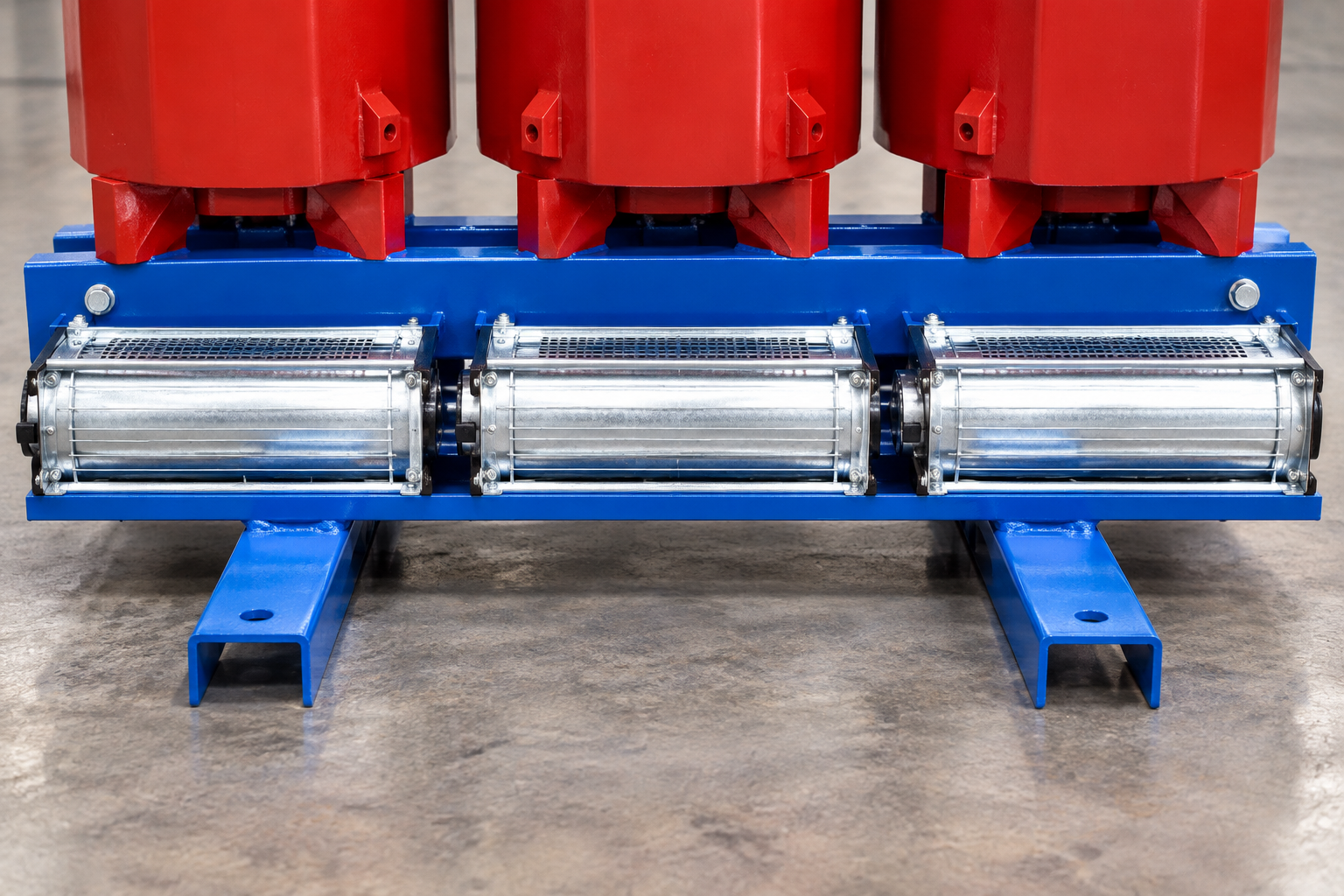

Transformer spare parts stocking decides whether a small gasket leak becomes a day of work—or a week of waiting on freight.
Plants that buy transformers without a spare annex often discover missing fan kits, breathers, or bushing hardware only after the first inspection finding. This guide separates consumables from long-lead items and shows what to put in the RFQ.
Match spares to the installed nameplate before the warehouse order.

Part 1. When spare stocking becomes a purchase topic
Spare planning enters the buy when uptime targets, remote sites, or long import lead times raise the cost of waiting.
A transformer PO without a spare annex pushes risk into the first maintenance cycle.
For maintenance and receiving context, pair this guide with the preventive maintenance schedule guide and the shipping and receiving checklist.
Important: Do not stock generic parts without nameplate and accessory identity. Attach a spare annex to the purchase package before award (IEEE C57.93).
Part 2. RFQ fields that keep spare annexes comparable
Ask suppliers to quote a named spare annex with the unit.
| RFQ item | Why it matters | Send with quote |
|---|---|---|
| Rated kVA and voltage combination | Identifies the asset family | Yes |
| Vector group and tap range | Confirms electrical identity | Yes |
| Cooling method and enclosure | Defines fans and accessories | Yes |
| No-load and load losses | Completes the rating package | Yes |
| Short-circuit impedance | Keeps protection data aligned | Yes |
| Recommended spare annex | Makes stocking bids comparable | Yes |
State which parts are mandatory stock versus optional.
Part 3. Consumables versus long-lead critical parts
Consumables turn over on inspections; long-lead parts exist for rare but painful failures.
Do not mix the two columns in one unsorted shopping list.
Write expected lead times beside each long-lead item.
Part 4. Nameplate matching and interchange rules
Gaskets, bushings, fans, and relays must match the delivered configuration—not a generic catalog cousin.
Keep serial/nameplate references on the spare bin labels.
Reject interchangeable claims without drawing evidence.
Part 5. Warehouse, documentation, and turnover discipline
Warehouse locations, minimum quantities, and document links belong in the CMMS or stock card.
Photograph nameplates at receiving and attach them to the spare record.
Review turnover annually after the first maintenance year.
Part 6. Shortlist series after the spare annex is written
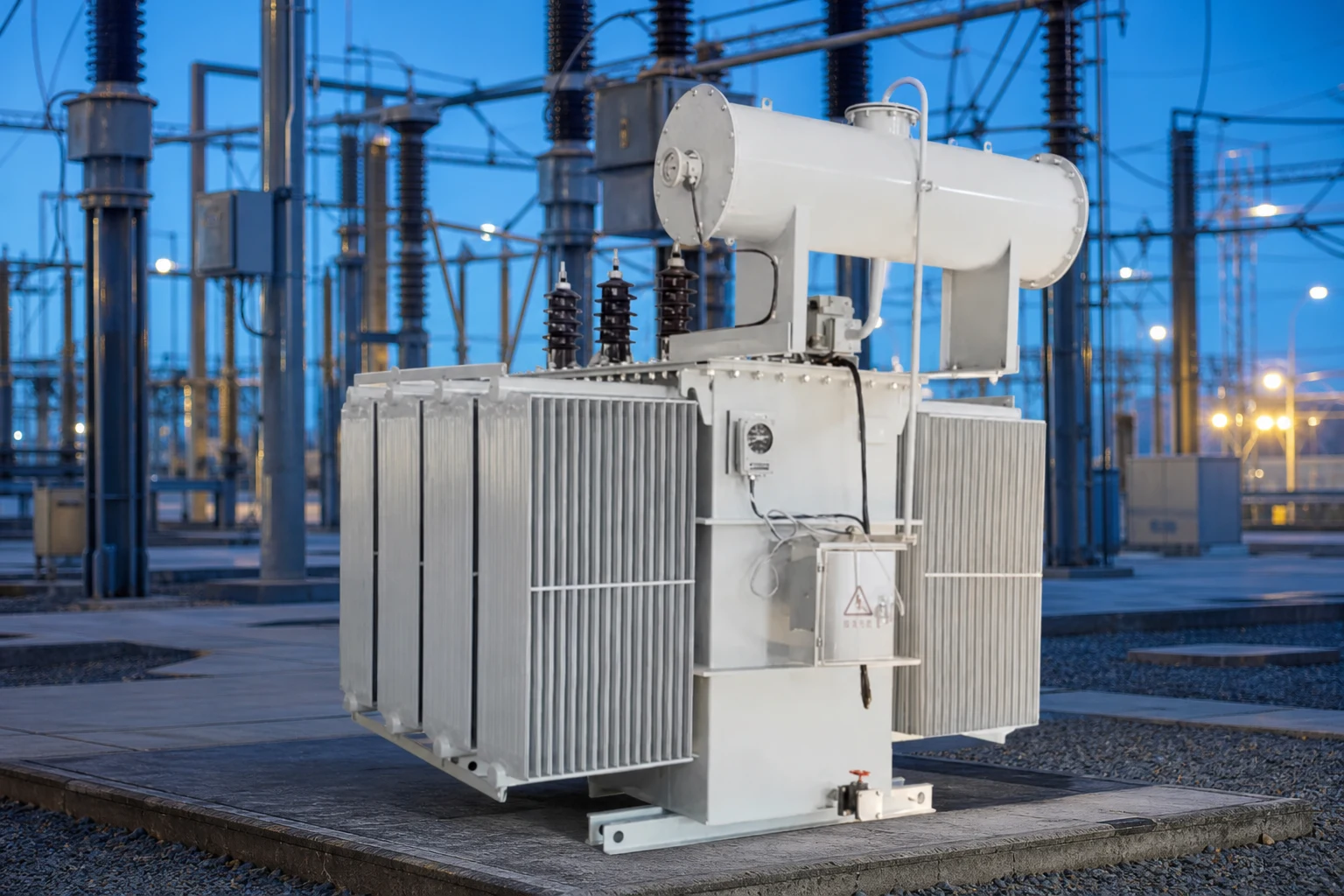
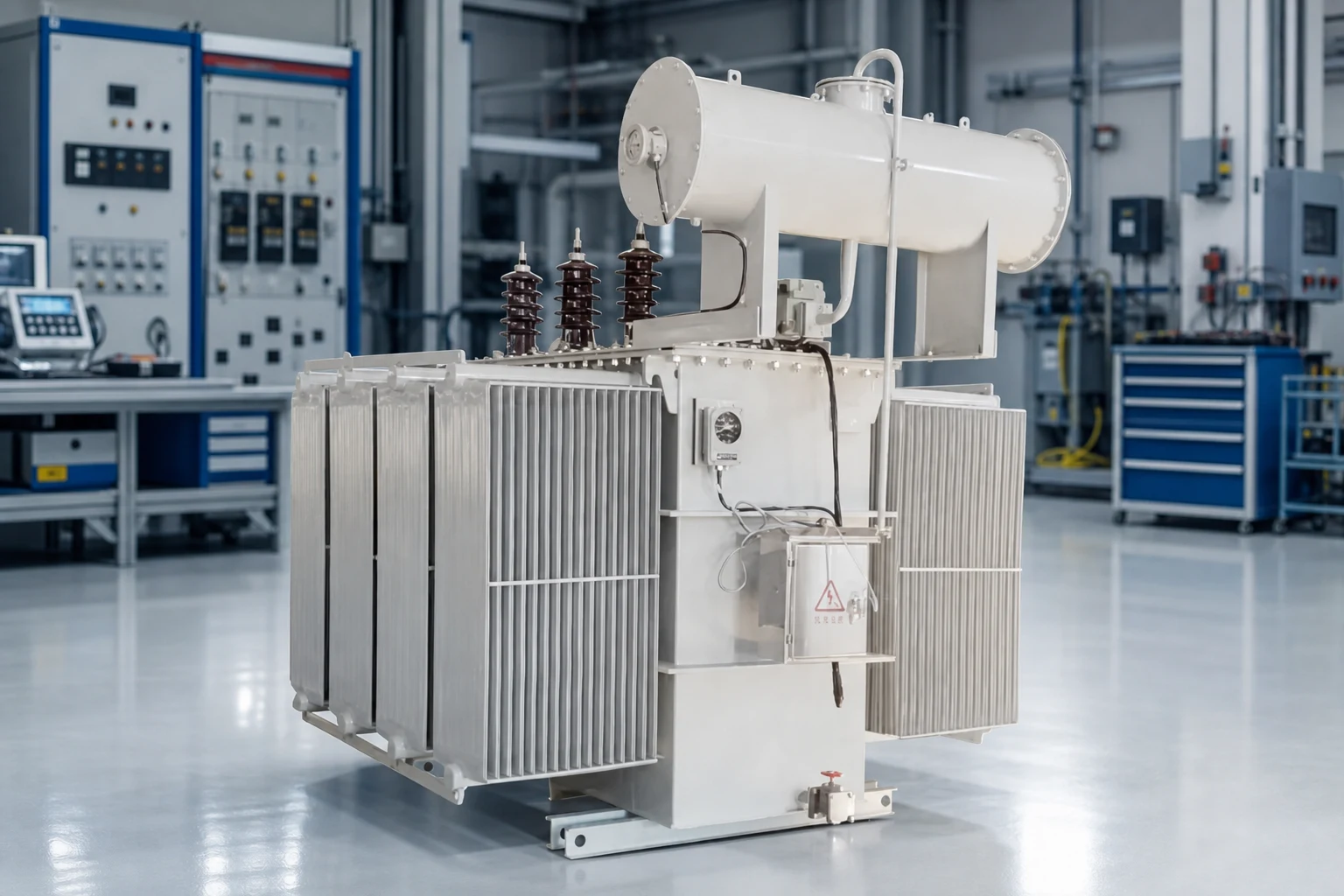
Product recommendation: After the spare annex is written, open the transformer product category and align accessory families on the S□-M oil-immersed power transformer series or SC(B) resin insulated dry transformer series with the installed technology choice.
| Better fit | Needs more study |
|---|---|
| Spare annex attached to the PO | Random parts without nameplate match |
| Consumables and long-lead split | One unsorted shopping list |
| Warehouse records linked to drawings | Assuming catalog cousins always fit |
Submit ratings and spare needs through Contact Us for catalog confirmation.
Part 7. Spare-stocking mistakes that create false security
- Buying transformers with no spare annex.
- Stocking parts that do not match nameplates.
- Ignoring lead times for bushings and fans.
- Mixing consumables with capital spares.
- Leaving warehouse records disconnected from drawings.
- Assuming sealed or dry type units need zero spares.
FAQ
Which transformer spares should plants stock first?
Start with consumables tied to inspections, then long-lead accessories that match the installed nameplate.
Should every transformer PO include a spare annex?
For remote or high-uptime sites, yes—write mandatory versus optional lines before award.
Can I use parts from a similar catalog unit?
Only with drawing evidence; nameplate and accessory identity come first.
Which rating data belong with a spare annex?
Keep kVA/voltage, vector/tap, cooling/enclosure, losses, and impedance so the asset family is clear.
Do dry type units need spare stocking?
Yes—fans, sensors, and hardware still fail; technology does not erase lead-time risk.
How often should the spare list be reviewed?
Review after receiving and again after the first maintenance year using turnover data.
What should buyers send suppliers?
Send nameplate needs, accessory preferences, mandatory spare lines, and required documents with the RFQ.