
Transformer dielectric test package planning decides whether insulation evidence is usable—or just a stamp on a shipping folder.
Buyers who leave sequence and limits out of the RFQ often argue on the factory floor with incomplete reports. This guide covers what to specify, what to witness, and which documents to keep.
Write the dielectric plan before production milestones lock.

Part 1. When dielectric testing enters the purchase package
Dielectric testing appears when specifications, utility rules, or risk reviews demand insulation quality evidence beyond a marketing statement.
Late requests collide with production and freight calendars.
For broader witness and document checklists, start with the FAT importer witness checklist and the power transformer RFQ checklist.
Important: Do not treat a pass stamp as dielectric acceptance. Lock sequence, voltage basis, and report fields before the factory schedule freezes (IEC 60076-3).
Part 2. RFQ fields that make dielectric bids and reports comparable
Ask suppliers to quote against the same dielectric package.

| RFQ item | Why it matters | Send with quote |
|---|---|---|
| Dielectric sequence and acceptance basis | Makes reports comparable | Yes |
| Rated kVA and voltage combination | Defines the tested object | Yes |
| Vector group and tap range | Electrical identity of the unit | Yes |
| No-load and load losses | Completes the rating package | Yes |
| Cooling method and enclosure | Test object configuration | Yes |
| Short-circuit impedance | Protection package alignment | Yes |
State whether witnessing is required and which report fields are mandatory.
Part 3. Sequence, voltage basis, and ambient conditions
Method language and voltage bases must match the governing specification.
Ambient notes and instrument identity belong in the report, not in hallway conversation.
Reject incomplete sequence descriptions before travel is booked.
Part 4. Witness scope and record discipline
Witness value comes from observing setup, reviewing readings, and confirming the report package.
A sticker without traces and conditions is weak evidence.
Define who can accept or reject on the day.
Part 5. How dielectric tests tie to the wider FAT list
Dielectric tests sit beside routine and special tests; do not treat one result as a substitute for the full FAT list.
Keep the sequence and hold points in one controlled schedule.
Align shipping release with document completeness, not optimism.
Part 6. Shortlist series after the test plan is written
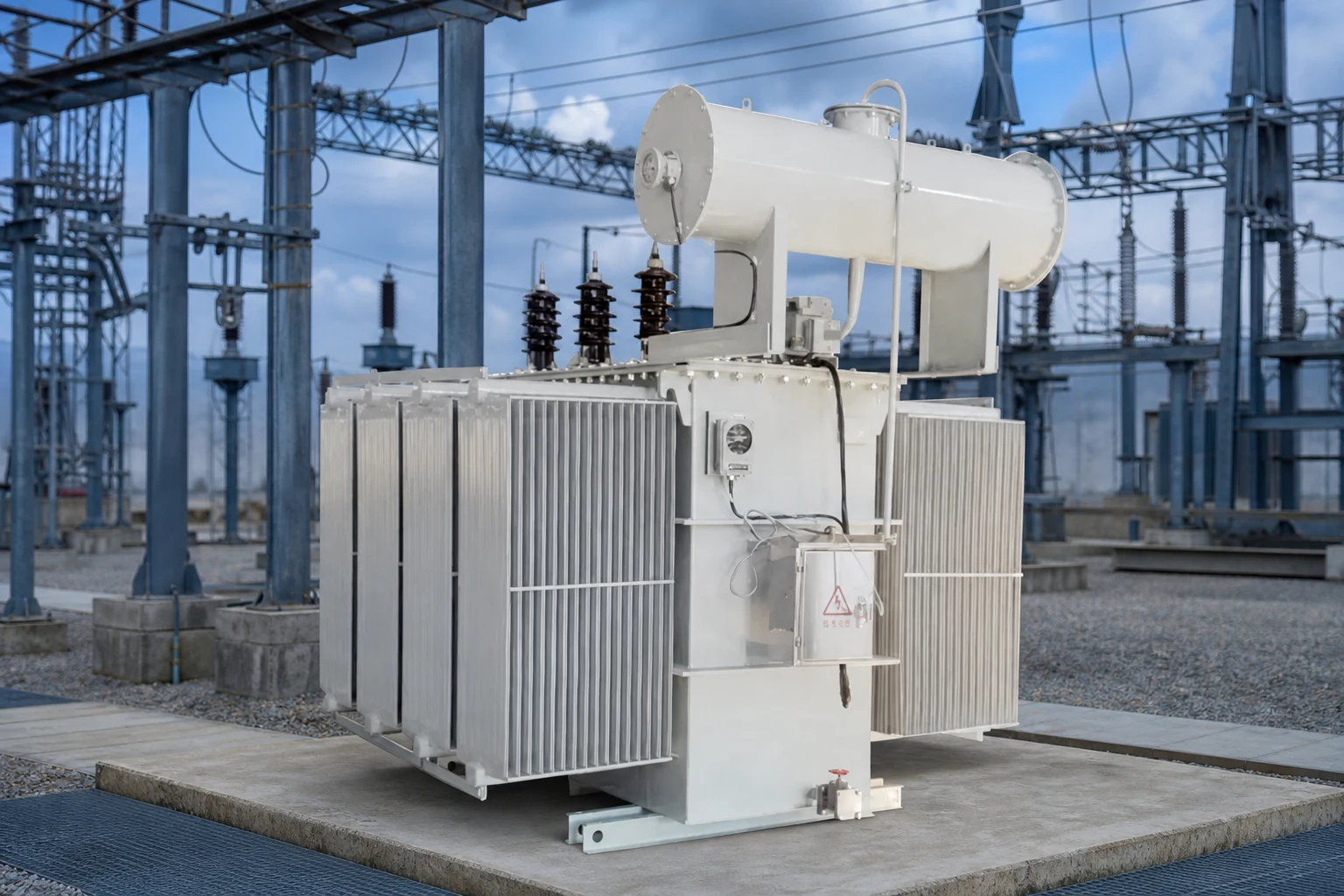
Product recommendation: After the dielectric plan is written, open the transformer product category and screen the SC(B) resin insulated dry transformer series and S□-M oil-immersed power transformer series against the approved ratings and test scope.
| Better fit | Needs more study |
|---|---|
| Sequence and limits in the RFQ | Pass stamps without report fields |
| Witness hold points scheduled | Dielectric requests after production ends |
| Full FAT package aligned | Treating one test as the only insulation proof |
Submit ratings and test notes through Contact Us for catalog confirmation.
Part 7. Dielectric-acceptance mistakes that delay shipment
- Requesting dielectric witnessing after the factory schedule freezes.
- Accepting reports without voltage basis or ambient notes.
- Omitting sequence language from the purchase order.
- Confusing dielectric tests with routine ratio-only checks.
- Releasing shipment before document checks close.
- Changing acceptance limits after witnessing starts.
FAQ
When should a dielectric test package be in the RFQ?
Whenever the specification or risk review requires dielectric evidence—write it before production milestones lock.
Is a pass stamp enough for acceptance?
No; keep sequence, voltage basis, conditions, and readings in the controlled report package.
Do dry type and oil immersed use the same dielectric language?
Both need a named package, but details follow the governing specification for the technology and rating.
Which rating data still belong with a dielectric package?
Include kVA/voltage, vector/tap, losses, cooling/enclosure, and impedance so the tested object is unambiguous.
Should dielectric tests replace other FAT items?
No—they complement the routine and special package; keep the full hold-point list.
Who decides accept or reject on witness day?
Name the authority in the purchase documents before travel.
What should buyers send suppliers?
Send dielectric sequence expectations, report fields, ratings, and witness needs with the RFQ.