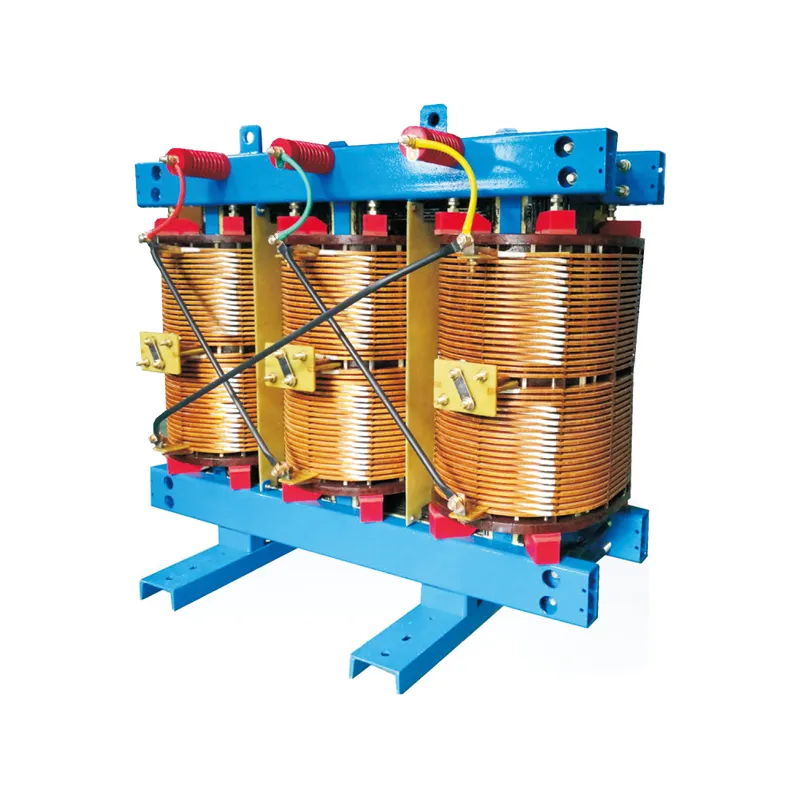

Choosing a 100 kVA dry-type transformer is not just a capacity lookup. The label can be a useful starting point, but it does not identify the primary and secondary voltage, the load profile, the installation environment, or the documents a buyer must compare. A transformer transfers energy through electromagnetic induction; the project decision is how that equipment will interface with a particular distribution system. For the broader construction and project-selection overview, see our dry-type transformer design and selection guide.
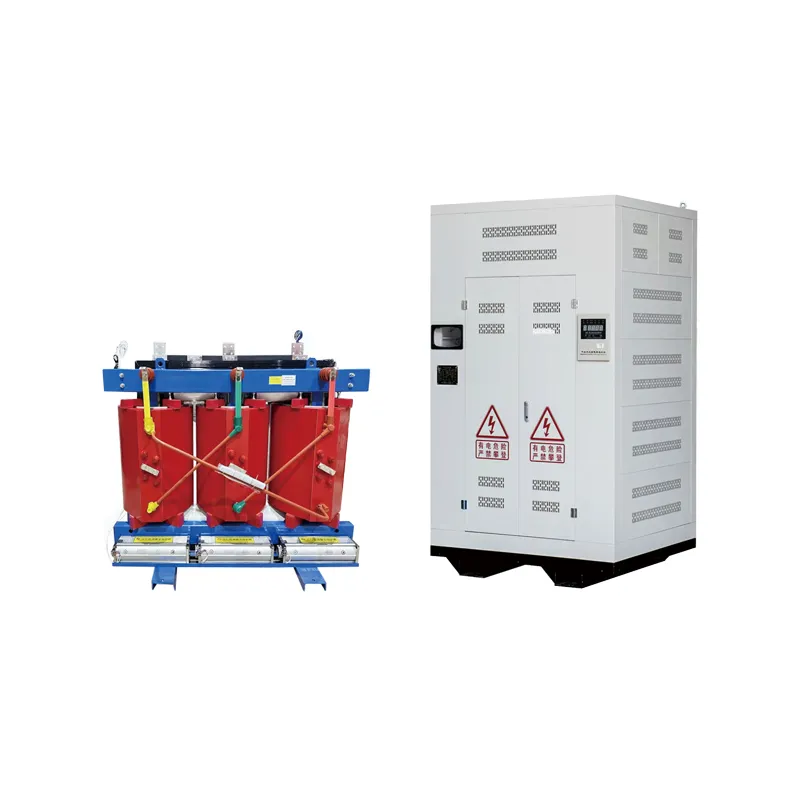
Start with the published LBAJI transformer category and a clear single-line diagram. The existing distribution transformer sizing guide is useful for framing the load calculation; the final selection still needs the project engineer to confirm conditions.
Treat 100 kVA as a scope marker, not a complete specification
A 100 kVA designation tells suppliers the intended apparent-power class. It does not tell them whether the connected load is steady, cyclical, nonlinear, or subject to planned expansion. It also does not establish voltage taps, connection group, enclosure, temperature-monitoring arrangement, cable interface, or applicable local requirements.
| RFQ input | Why it changes the review | What to provide |
|---|---|---|
| Primary and secondary voltage | Determines the electrical interface | Single-line diagram and voltage tolerance |
| Load profile | Separates normal loading from unusual duty | Load list, operating hours, and expansion plan |
| Installation location | Affects enclosure and thermal review | Indoor/outdoor, ambient, ventilation, dust, and clearance notes |
| Protection and controls | Defines the required coordination discussion | Protection diagram and monitoring preference |
| Documents | Makes quotations comparable | Datasheet, outline drawing, test scope, and terminal details |
Build the RFQ in the order an engineer can check it
- Confirm the load study and whether 100 kVA is a calculated requirement or a planning allowance.
- State both system voltages and the required outgoing arrangement.
- Describe the room or enclosure conditions rather than assuming a standard installation.
- Ask for the proposed outline drawing before releasing foundations, cable routes, or panels.
- Compare offers against the same document list, not against a headline capacity alone.
Questions worth resolving before a purchase order
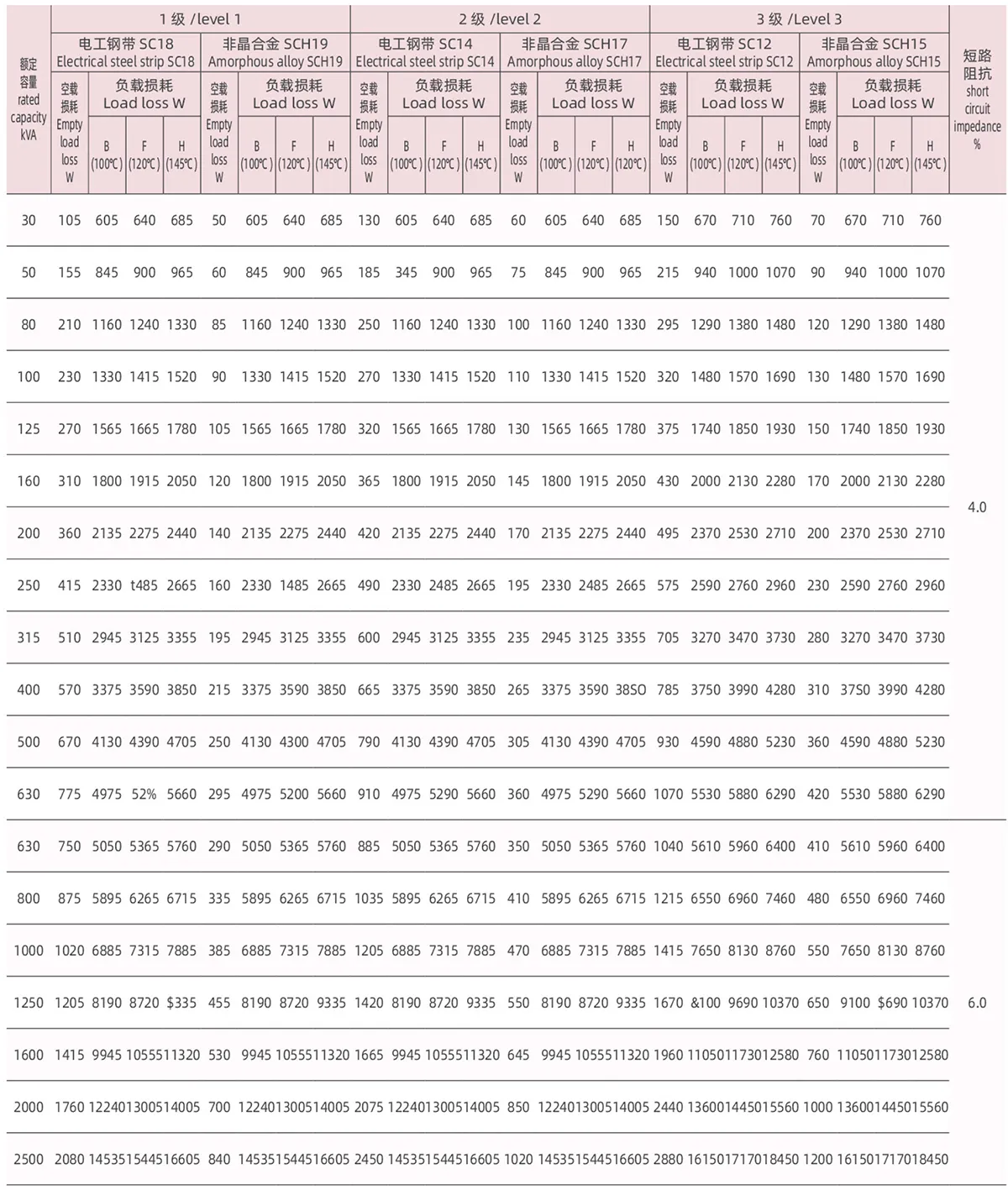
Keep a distinction between a supplier’s standard series information and the final supplied configuration. Ask which items are standard, which are optional, and which need project confirmation. If monitoring, enclosure, or terminal arrangements are required, include them in the RFQ rather than expecting them to be inferred from the capacity.
Use the SC(B) Series as a Specification Starting Point
LBAJI lists an SC(B) resin-insulation dry transformer series, and its published series table includes a 100 kVA entry. That makes the series a relevant product-path discussion for this query. It does not prove that any listed configuration fits a specific voltage, site, protection scheme, or regulatory requirement. Send the project inputs above so the supplier can return a drawing and a scoped technical response.