
OLTC vs off-circuit tap changer compares two operating windows for transformer-ratio changes. If the project needs adjustment while energized, state that operating duty and its control interfaces; if adjustment can occur only during a planned outage, state that instead.
Neither arrangement is universally preferable. The required voltage behavior, operating window, electrical interface and selected drawings decide the appropriate request.
Part 1. What is the core procurement decision?
The decision is about the permitted operating window for a ratio adjustment. IEC 60214-1 provides a dedicated publication for tap-changer performance requirements, so a buyer should describe the intended function instead of relying on a short label (IEC 60214-1).
Begin with the system voltage variation and the required load-side result. Then establish whether a change must happen while energized or can be planned during a de-energized interval.
Part 2. How do the operating windows differ?
An OLTC request is for a ratio-change duty while the transformer remains energized under the defined conditions. An off-circuit tap request is for a setting changed when the transformer is de-energized. That operational distinction should appear in the specification and bid comparison.
| Decision point | OLTC request | Off-circuit tap request |
|---|---|---|
| Change window | Required during energized operation | Planned while de-energized |
| Project input | Voltage duty and control scope | Required fixed setting and outage boundary |
| Bid review | Control, alarms and interfaces must be visible | Switch arrangement and setting process must be visible |
| Fit boundary | Do not infer from a series name | Do not assume it solves an energized regulation need |
Important: The phrase “tap changer” alone does not define the operating duty. The inquiry must state whether a ratio change is required while energized or only after the transformer is de-energized (IEC 60214-1).
Part 3. Which project inputs define the choice?
Write the voltage variation, required load-side band, capacity basis, ratio, vector group, tap range and operating window into the same request. Add the project control ownership, protection interfaces and any parallel-operation condition when relevant.
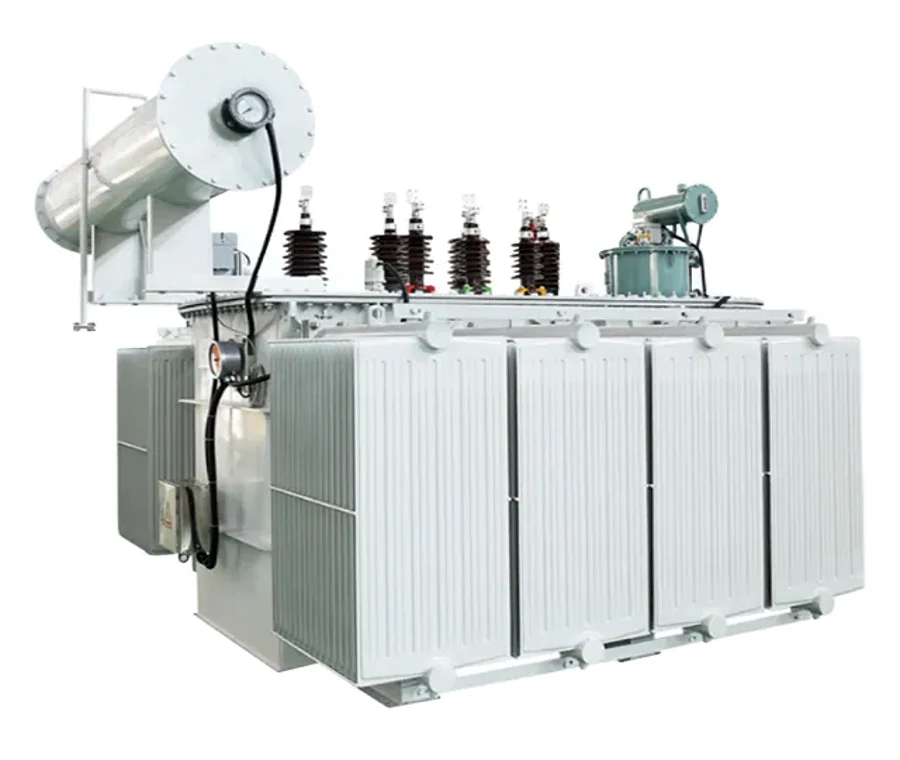
The SFZ11 voltage regulation planning guide goes deeper into the earlier regulation decision. Use the parallel-operation planning guide when more than one transformer may share a bus.
Part 4. How should offers be compared?
Match the bids to one requirement before judging price or a catalog field. A request that leaves the operating window undefined can receive different kinds of proposals that are not technically comparable.
| Bid field | Common basis needed | Buyer action |
|---|---|---|
| Tap duty and range | Same voltage variation and operating window | Check against the system objective |
| Control and alarms | Same ownership and interface requirement | List inclusions and exclusions |
| Loss and impedance | Same configuration and stated basis | Compare like for like |
| Drawings and terminals | Same selected arrangement | Review departures before award |
The 35kV specification-input guide supplies additional ratio, vector group, impedance and drawing checks.
Part 5. Where are the fit boundaries?
Choose neither arrangement by default. An OLTC arrangement is not justified where no energized adjustment duty exists. An off-circuit arrangement is not enough where the project has defined a need to change ratio while energized.
IEEE’s C57.131 listing is a requirements reference for load tap changers, not proof that a particular transformer, controller or site arrangement is approved. The project must set the final protection, control and acceptance requirements.
Part 6. What should the RFQ include?
Buyer should provide:
- single-line diagram, nominal ratio and expected voltage variation;
- required load-side voltage band and capacity basis;
- vector group, grounding and impedance requirement;
- whether changing ratio while energized is required;
- requested tap range, control, alarm, protection and communication interfaces; and
- loss basis, terminals, drawings and required documentation.
This RFQ makes the required operating duty explicit while leaving unconfirmed model details for the configuration review.
Part 7. How should the SFZ11 catalog page be used?
The SFZ11 35kV loaded oil-immersed power transformer page can serve as a catalog reference after the electrical duty is defined. It publishes capacity, voltage, connection group, loss and impedance fields.
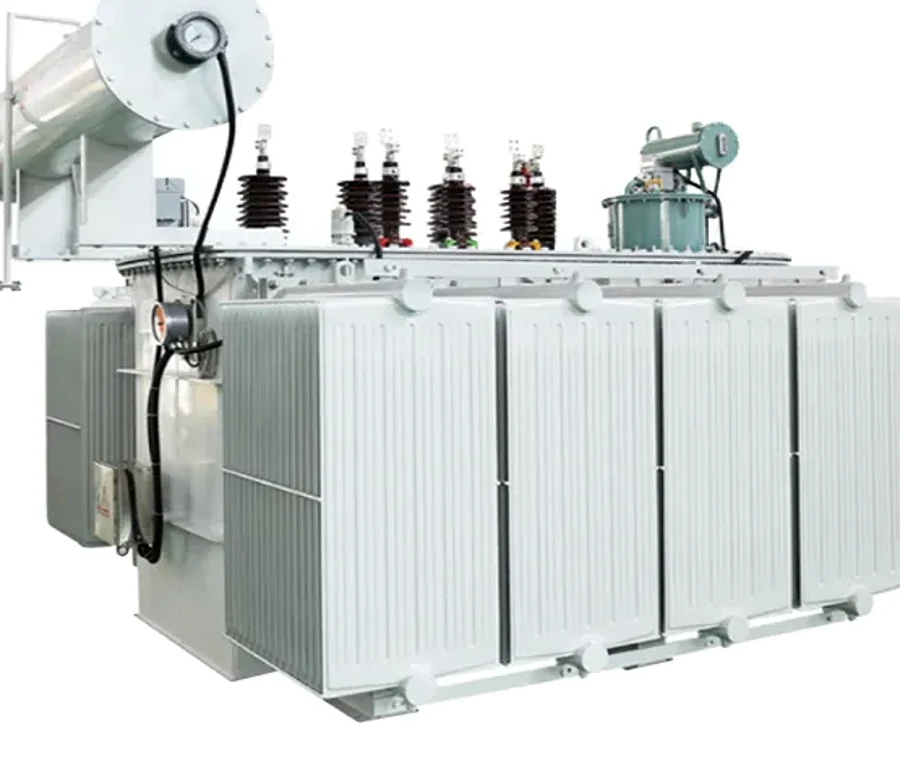
The same page says that the described switch changes tapping voltage only after the power supply is cut off. Therefore, this page does not claim an OLTC function from its title; confirm the final tap arrangement, controls and drawings before selection.
Send the defined duty and documentation list through Contact Us for a configuration-specific review.
FAQs
What is the main difference between OLTC and an off-circuit tap changer?
An OLTC requirement concerns changing ratio while energized. An off-circuit tap arrangement is changed after the transformer is de-energized. The required operating window should be explicit in the purchase specification.
When is OLTC considered?
Consider it when the project has defined a need for ratio adjustment during energized operation. Do not select it merely because the transformer has taps.
Is an off-circuit tap changer less complex?
It has a different operating boundary because the setting is changed when de-energized. Compare the actual switch, control, protection and documentation scope in the offered configuration.
What must be compared between bids?
Compare operating duty, ratio, tap range, voltage variation, control and alarm scope, loss basis, impedance, terminals, drawings and stated departures.
Can a catalog name decide the tap arrangement?
No. The LBAJI SFZ11 page contains a tap description that requires power to be cut off for the described switch. The final arrangement must be confirmed by the agreed configuration.
What should an RFQ include?
Include the electrical duty, energized or de-energized operating window, tap and control requirements, protection interfaces, loss and impedance basis, terminals, drawings and documents.