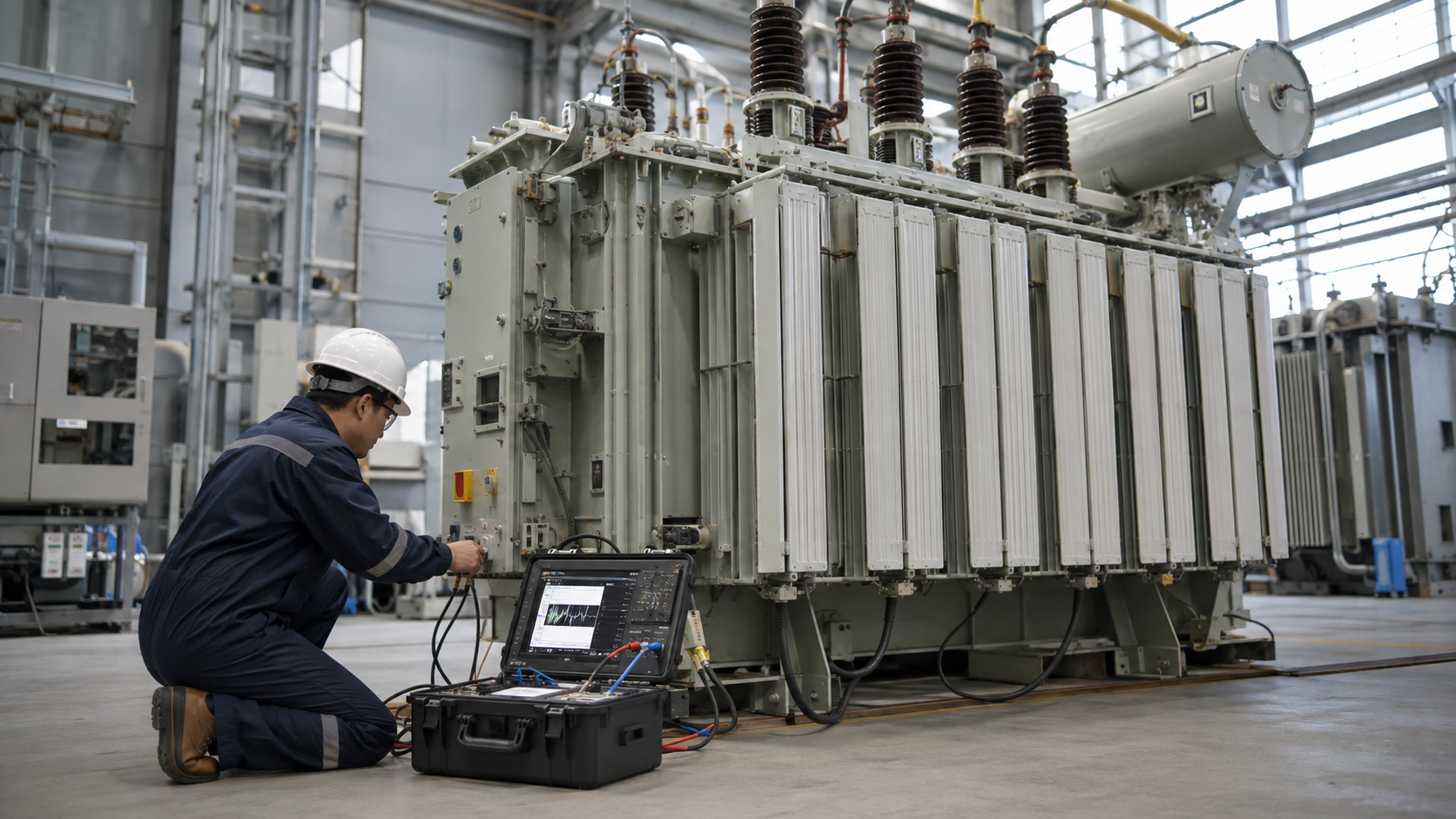

A 75 kVA transformer does not have one fixed amp rating. Current depends on phase and voltage: single-phase current is 75,000 ÷ V; three-phase line current is 75,000 ÷ (1.732 × V). For example, 75 kVA is about 90.2 A at 480 V three-phase and 208.2 A at 208 V three-phase.
Key Takeaways
- At 75 kVA, full-load amps depend on phase and the voltage at the side being measured.
- At 480 V three phase the result is 90.2 A; at 208 V three phase it is 208.2 A.
- These are winding current calculations, not automatic breaker, cable, or safe continuous-load ratings.
75 kVA Current Formula
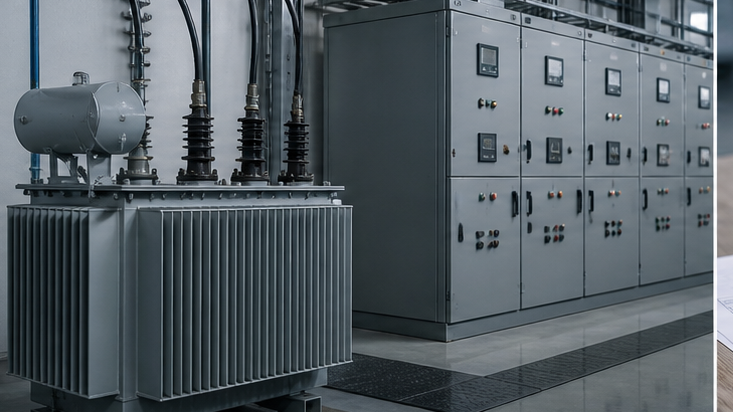
For single phase, I = kVA × 1,000 ÷ V. For three phase, I = kVA × 1,000 ÷ (√3 × line-to-line voltage). Use nameplate voltage rather than a nominal assumption. These equations describe full-load apparent current; conductor and protective-device sizing still follows the applicable code, loading duty, temperature and installation method.
Quick Comparison and Selection Table
Use this table as a quick review of the main engineering and procurement decisions explained in the article.
| Decision area | Practical meaning | What to verify |
|---|---|---|
| 75 kVA Current Formula | For single phase, I = kVA × 1,000 ÷ V. | For three phase, I = kVA × 1,000 ÷ (√3 × line-to-line voltage). |
| Common 75 kVA Full-Load Currents | At 240 V single phase the calculated current is 312.5 A, and at 480 V single phase it is 156.3 A. | For three phase, common results are 90.2 A at 480 V, 104.3 A at 415 V, 108.3 A at 400 V, 208.2 A at 208 V and 180.4 A at 240 V. |
| Primary and Secondary Amps | A 480-to-208Y/120 V three-phase unit carries about 90 A on the 480 V side and 208 A on the 208 V side at 75 kVA. | The transformer changes the voltage-current relationship while apparent power remains approximately constant, excluding losses. |
| Breaker and Conductor Sizing | Do not select breakers from the full-load number alone. | Codes permit or require specific primary-only or primary-and-secondary protection arrangements and account for inrush. |
| Is 75 kVA Large Enough? | Add load kVA rather than simply adding amperes across different voltages. | Consider demand, motor starting, nonlinear harmonics, future expansion, ambient temperature and acceptable voltage regulation. |
Common 75 kVA Full-Load Currents
At 240 V single phase the calculated current is 312.5 A, and at 480 V single phase it is 156.3 A. For three phase, common results are 90.2 A at 480 V, 104.3 A at 415 V, 108.3 A at 400 V, 208.2 A at 208 V and 180.4 A at 240 V. Rounding should not be used to conceal a voltage mismatch.
Primary and Secondary Amps
A 480-to-208Y/120 V three-phase unit carries about 90 A on the 480 V side and 208 A on the 208 V side at 75 kVA. The transformer changes the voltage-current relationship while apparent power remains approximately constant, excluding losses. Primary and secondary conductors therefore need different ampacities and protection.
Breaker and Conductor Sizing
Do not select breakers from the full-load number alone. Codes permit or require specific primary-only or primary-and-secondary protection arrangements and account for inrush. Conductors must be checked for continuous loading, insulation temperature, terminal ratings, ambient correction, grouping and voltage drop. A qualified designer should coordinate upstream and downstream devices.
Is 75 kVA Large Enough?
Add load kVA rather than simply adding amperes across different voltages. Consider demand, motor starting, nonlinear harmonics, future expansion, ambient temperature and acceptable voltage regulation. A unit that is adequate for steady load may produce excessive voltage dip during motor acceleration or run hot with harmonic-rich current.
Nameplate and Procurement Checks
Confirm primary and secondary voltage, phase, frequency, vector or winding connection, taps, impedance, insulation class, temperature rise, enclosure, efficiency, sound and accessories. For retrofits, verify footprint, cable entry, terminal arrangement, available fault current and upstream protection before ordering.
75 kVA Full-Load Amps by Voltage and Phase
The table below uses a 75,000 VA nameplate rating. For three-phase rows, voltage means line-to-line voltage and current means line current. Single-phase rows use the voltage across the winding. Values are rounded to one decimal ampere; the design calculation should use the actual nameplate voltage and the project electrical drawings.
| System voltage | Single-phase full-load current | Three-phase full-load line current |
|---|---|---|
| 208 V | 360.6 A | 208.2 A |
| 230 V | 326.1 A | 188.3 A |
| 240 V | 312.5 A | 180.4 A |
| 400 V | 187.5 A | 108.3 A |
| 415 V | 180.7 A | 104.3 A |
| 480 V | 156.3 A | 90.2 A |
| 600 V | 125.0 A | 72.2 A |
This table is a current lookup, not a promise that every 75 kVA transformer is available in every listed voltage or connection. Confirm the actual primary and secondary nameplate ratings, winding connection, frequency, taps and cooling designation. Never use a 400 V row for a 480 V winding simply because both are described as industrial three-phase systems.
Worked Example: 480 V Primary to 208Y/120 V Secondary
Consider a balanced 75 kVA, three-phase step-down transformer with a 480 V line-to-line primary and a 208Y/120 V secondary. On the primary, the theoretical full-load line current is 75,000 ÷ (√3 × 480) = 90.2 A. On the secondary, it is 75,000 ÷ (√3 × 208) = 208.2 A. The 120 V marking identifies line-to-neutral voltage on the wye secondary. For the three-phase calculation, use 208 V line-to-line, not 120 V.
The higher secondary current is expected: voltage falls while apparent power remains approximately the same, allowing for real transformer losses. When reviewing a one-line diagram, calculate each side separately. Check the transformer nameplate before ordering a breaker or cable; current alone does not establish conductor ampacity, breaker setting or short-circuit duty.
How Many kW Can a 75 kVA Transformer Supply?
kVA measures apparent power; kW measures real power. For a balanced load, estimated real power is kW = 75 × power factor. At 0.8 power factor, that is 60 kW. At 0.9 power factor, it is 67.5 kW. At unity power factor, the mathematical maximum is 75 kW. These figures do not replace a load study: harmonics, motor starting, duty cycle, ambient temperature and the transformer’s actual thermal rating still matter.
Do not apply an automatic “80% of 75 kVA” rule to every transformer. A continuous-load rule for a particular protective device or installation is not the same as the transformer’s nameplate thermal capacity. Ask the electrical designer to document the applicable code, manufacturer instructions, load profile and required spare capacity.
When 75 kVA Is Too Small
Compare the highest expected coincident demand in kVA with the transformer’s rating under the actual operating conditions. If several loads start at different times, a simple sum of every nameplate rating may overstate demand. If large motors start together, steady-state current can understate the short-duration voltage dip. Record both cases rather than treating a single amperage number as the entire sizing decision.
For example, a balanced 480 V three-phase load drawing 100 A represents approximately √3 × 480 × 100 ÷ 1,000 = 83.1 kVA before any allowance for expansion. That exceeds 75 kVA. Conversely, a 60 A load at the same voltage represents about 49.9 kVA, leaving apparent-power headroom, subject to starting current, thermal conditions and other connected loads. Schneider Electric’s capacity guidance explicitly notes that motor and specialty loads may require more than the simple arithmetic result.
What to Send With a 75 kVA Transformer Inquiry
Give the supplier the primary and secondary voltage, phase, frequency, connection, installation site, required enclosure, ambient conditions and available fault current. Include the load schedule, motor-starting information, harmonic-producing equipment and space limits. Ask for a data sheet showing nameplate ratings, impedance, losses, temperature rise, dimensions and routine test documents. If replacing a unit, provide photos of the existing nameplate and terminal layout, not only the phrase “75 kVA transformer.”
For adjacent calculations, use our 63 kVA load-capacity example, amps-to-kVA formula guide and transformer fuse guide. Review the transformer product range for available configurations; confirm project-specific values with the manufacturer.
Three-Phase Transformer Video Lesson
For the relationship between phase voltage, line voltage and transformer connections, this NPTEL university lecture provides a useful technical introduction. The calculation table above remains the direct answer for 75 kVA current.
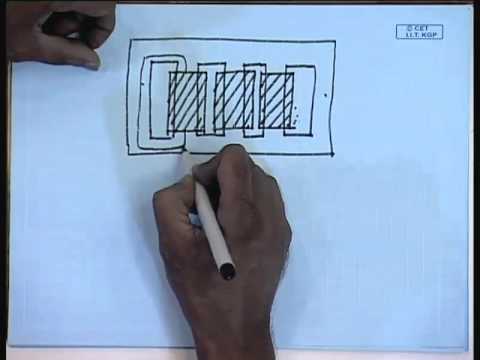
Watch NPTEL’s Introduction to Three Phase Transformer on YouTube.
Related LBAJI Equipment
Review the relevant LBAJI product range and the supporting Transformer Capacity, Size & Dimensions pillar guide. Send the one-line diagram, ratings, quantity and environment for a project-specific configuration.
Frequently Asked Questions
How many amps is a 75 kVA transformer at 480 V three phase?
Approximately 90.2 A at full load, calculated as 75,000 divided by 1.732 times 480.
How many amps is 75 kVA at 208 V three phase?
Approximately 208.2 A at full load.
Is kVA the same as kW?
No. kVA is apparent power; kW is real power and equals kVA multiplied by power factor for a balanced load.
Can I size the breaker exactly at full-load current?
Not automatically. Transformer inrush and electrical-code protection rules must be applied.
Why are secondary amps higher than primary amps?
A step-down transformer reduces voltage, so current rises for approximately the same apparent power.
Practical Evaluation Workflow
For 75 kva transformer amps, use a documented workflow rather than a catalogue-only choice. First freeze system inputs and operating limits. Next compare the available construction or service options against the actual environment. Then verify calculations, protection interfaces and acceptance tests. Finally, record approved deviations and preserve baseline results for commissioning and maintenance.
- Review common 75 kva full-load currents and record the project-specific decision.
- Review primary and secondary amps and record the project-specific decision.
- Review breaker and conductor sizing and record the project-specific decision.
- Review is 75 kva large enough? and record the project-specific decision.
Acceptance Records to Keep
Retain the approved data sheet, drawings, deviation list, material certificates where applicable, routine and special test reports, protection settings, commissioning results, photographs and final nameplate details. Record test conditions as well as values, because temperature, instrument method and connection can affect comparison. These documents establish the baseline used to investigate later alarms, loading changes or deterioration. They also prevent replacement equipment from being ordered from an incomplete description after personnel or suppliers change.
Technical References and Further Reading
Conclusion
A 75 kVA transformer does not have one fixed amp rating. Current depends on phase and voltage: single-phase current is 75,000 ÷ V; three-phase line current is 75,000 ÷ (1.732 × V). For example, 75 kVA is about 90.2 A at 480 V three-phase and 208.2 A at 208 V three-phase. Use project data and documented acceptance criteria before purchase, installation or service.