
A switchgear commissioning checklist organizes the evidence needed to accept installed equipment, verify its intended functions and authorize a controlled transition into service. It should connect construction completion, equipment records, protection and control checks, approved tests, unresolved defects and operating responsibility. A generic list of measurements is insufficient because the relevant methods and acceptance criteria depend on the assembly, project and applicable requirements. Commissioning should use qualified personnel and approved procedures; this article explains how to structure the process and records, rather than instructing readers to test or energize electrical equipment.
Define the commissioning boundary
Start with the equipment and interfaces included in the commissioning package. Identify the lineup, incoming and outgoing circuits, protection functions, auxiliary supplies, remote controls and connections to other systems. Mark interfaces that will be completed or tested by another contractor. A clear boundary prevents an equipment supplier’s completed test from being mistaken for confirmation of every installed circuit. It also exposes functions that cannot yet be verified because an external signal or supply is unavailable.
Agree who prepares procedures, who witnesses results, who resolves defects and who authorizes energization. These roles may be held by different organizations. Record the handover between them so that a completed construction task is not interpreted as permission to operate. Define the conditions for moving from one stage to the next. The checklist should make hold points visible and allow a stage to remain incomplete without pressuring the team to convert an unresolved condition into an informal acceptance.
Reconcile factory and site evidence
Factory acceptance documents establish evidence for the equipment and configuration tested before shipment. Site commissioning addresses the installed condition and its project interfaces after transport, storage and installation. Review the factory package as an input, including unresolved observations and design changes. Do not repeat tests without a reason or assume they remove the need to inspect conditions affected by the journey and site work. The engineer and manufacturer should determine the relevant verification at each stage.
Check that the factory records, delivered assembly and approved drawings identify the same equipment. Substituted components, changed settings or revised circuits can affect the commissioning scope. Document these changes before procedures are finalized. If the project relies on an earlier test report, its applicability should be traceable. The receiving and preservation records are also important: suspected damage or moisture exposure may require assessment before a normal commissioning programme can proceed.

Establish construction completion first
Electrical testing should not conceal unfinished installation work. Prepare a completion review covering the installed assembly, supports, interfaces, cable records, accessible identification and required building conditions. Each item needs an owner and an evidence reference. Inspect according to the approved access arrangements and safe work procedures. An incomplete cable interface or missing approved closure should remain a recorded defect rather than being silently excluded from a test report.
Confirm the state of temporary construction supplies, protective materials and tools under the site’s completion process. Equipment may still be preserved for storage or partially installed when a test team arrives. Make that state explicit. The commissioning plan should distinguish what is ready for inspection, what is ready for an approved test and what remains on hold. This prevents the calendar date assigned to commissioning from becoming a false statement about the physical readiness of the installation.
Build a checklist with evidence columns
A useful checklist records more than pass or fail. Include the equipment reference, procedure revision, expected criterion, actual result, responsible person and outstanding action. The following table describes stages and records without prescribing equipment-specific test values.
Reference context: IEC 62271-200 metal-enclosed AC switchgear scope. This original qualitative checklist organizes project decisions; it is not a reproduced standard or a substitute for approved criteria.
| Commissioning stage | Evidence required | Hold-point question |
|---|---|---|
| Document review | Approved drawings, equipment schedules and procedures | Does the package describe the delivered installation? |
| Construction completion | Recorded inspection and closed installation defects | Are interfaces complete and ready for the next stage? |
| Equipment verification | Approved test records for the defined boundary | Do results meet the specified criteria? |
| Protection and controls | Settings approval and function/interface records | Are intended responses and responsibilities established? |
| Energization readiness | Controlled authorization and operating plan | Are all prerequisites and remaining restrictions accepted? |
| Handover | Final records, defect status and owner training | Can the owner operate and maintain the actual configuration? |
Use approved methods and criteria
The commissioning procedure should state which tests apply, why they apply and how results will be assessed. Equipment manuals, applicable requirements and project engineering decisions provide the basis. This article does not provide universal test voltages, resistance thresholds or timing limits. Applying a familiar value from another installation can be inappropriate where the assembly, connected devices or test boundary differ. Resolve the method before the test is performed.
Document any precautions needed for sensitive equipment or interfaces under the approved procedure. The test team must know the actual circuit condition and what is included or excluded. Calibration and identification of the instruments should be traceable in the record. If a result falls outside the accepted criterion, record it accurately and obtain a technical disposition. Repeating a measurement until a favourable number appears does not explain the original result or establish that the underlying condition has been corrected.

Verify protection and control records
Protection settings need the appropriate engineering approval and a clear relationship to the installed devices and system study. Record the device identity and configuration version used during verification. Distinguish a checked setting file from a verified complete protective function. Inputs, outputs, control supplies and external interfaces can affect behavior even when the numerical settings are correct. The actual procedure should define the evidence required for the project functions.
Review the relationship between local controls and any remote operating system. Identify which indications and commands were checked, which were unavailable and which require a later integrated test. Preserve these distinctions in the checklist. A completed cabinet test should not be labelled complete system commissioning if a required interface remains unverified. The operating team needs to know the real limitations before it receives control of the installation, especially where temporary operating restrictions have been proposed.
Include interlocks and operating indications
Interlock verification should refer to the manufacturer’s defined positions and the approved operating sequence. The record needs the initial condition, requested action and expected restriction or response. Do not reduce a group of distinct functions to one checkbox stating that interlocks work. Where an interlock depends on another device or a control signal, identify that interface and its completion status. Verification must use an approved safe method, not an improvised attempt to force a prohibited state.
Check that equipment labels, drawings and operating instructions use consistent position names. Operators should not have to reconcile conflicting terminology during a procedure. Record abnormal indications or mechanisms that do not behave as documented. An interlock supports the intended sequence but does not establish the absence of voltage; safe isolation remains a separate requirement. The official work-practice reference below reinforces the need for qualified personnel, controlled energy sources and verification appropriate to electrical work.
Close defects through a supported decision
Classify defects by their effect on the next stage rather than by how quickly they can be repaired. An issue affecting a required function or safe operating condition may prevent progression even if it appears physically small. Assign an owner, corrective action and verification requirement. Keep the original observation and the closure evidence together so that a final signature does not erase the history of a failed or incomplete check.
Some noncritical items may be accepted for later completion through the project’s formal process. Any such decision should state the restriction, responsibility and completion date, and should not imply that an unverified technical condition has passed. The authorizing party needs the complete defect list at the hold point. Commercial pressure or a planned opening date does not provide technical evidence that a remaining defect is acceptable. The record should make the basis of each decision understandable to the future owner.

Prepare controlled energization separately
Energization readiness is a decision that brings together construction, verification, operating procedures and site authorization. It is not the automatic consequence of completing the last measurement. The responsible parties must review prerequisites, personnel responsibilities, communication arrangements and the approved response to abnormal conditions. This article does not prescribe a switching sequence; that sequence must be prepared for the actual installation by the qualified authorities responsible for it.
Keep the equipment state and authorization clear during the transition. Other work groups need to know when control changes and what restrictions apply. Temporary supplies, test connections and incomplete interfaces must be addressed through the approved process. Record the authorization and the actual transition into service. If readiness changes before the operation, reassess it rather than relying on an earlier signature. A commissioning checklist should support this decision with evidence, not substitute for the controlled operating procedure.
Deliver an owner-ready handover package
The final package should include equipment identification, final drawings, verification records, approved settings, resolved deviations, outstanding restrictions and maintenance instructions. Keep test records searchable by circuit and function. Include the information needed to reproduce a future assessment or understand a later modification. Training should address the actual supplied configuration and its operating limitations, rather than a generic product presentation that omits project interfaces.
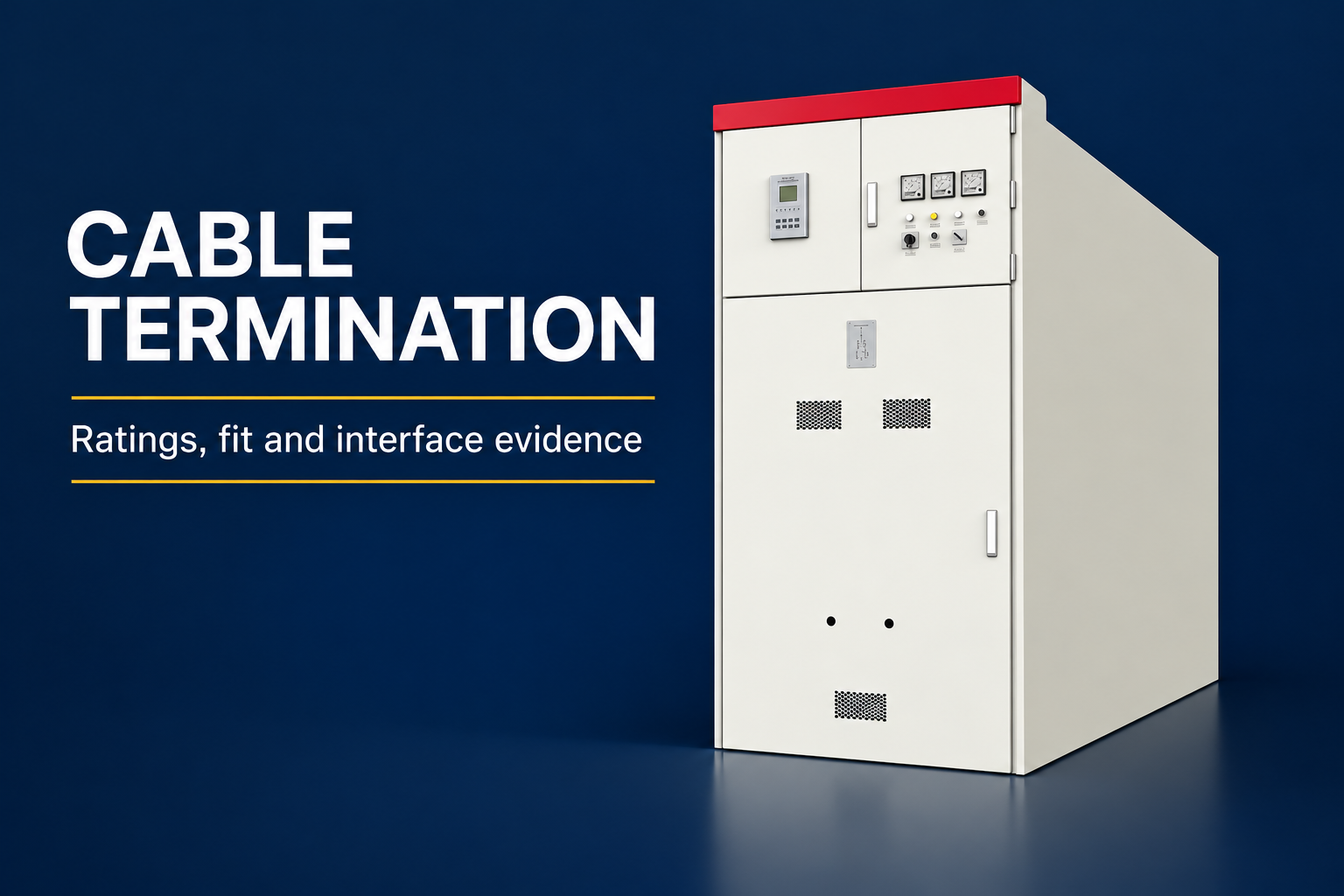
LBAJI’s XGN15-12 reference images identify the cabinet category used to illustrate this article. They do not establish test values or demonstrate a commissioning procedure. Request the manufacturer-specific installation and verification documents for the ordered configuration. A well-structured RFQ makes these documents, witnessing arrangements and interface responsibilities part of the supply scope. The result is a commissioning process that can be reviewed and completed on evidence, with a clear distinction between factory testing, site acceptance and authorized service.
Frequently asked questions
Does factory acceptance replace site commissioning?
No. Factory evidence is an input. Site commissioning must address the installed condition, project interfaces and effects of transport, storage and installation.
Can one generic test voltage be used for every assembly?
No. Test methods and values must come from approved procedures for the actual equipment and boundary, including connected devices and manufacturer restrictions.
Does completing measurements authorize energization?
No. Energization requires a separate readiness review and controlled operating authorization under the project’s procedures.
How should unavailable remote interfaces be recorded?
Mark them as unverified, identify the responsible party and define the later integrated check. Do not label the complete system passed while required interfaces remain open.
What belongs in the final commissioning package?
Include final drawings, equipment identities, test and function records, approved settings, defect decisions, remaining restrictions, operating instructions and owner training evidence.
Technical sources and related equipment
Standard catalogue pages establish document scope; compliance and acceptance require the applicable full documents and project engineering review.
- IEC 62271-200 metal-enclosed AC switchgear scope
- 29 CFR 1910.333 electrical work practices, official 2025 edition
- LBAJI XGN15-12 Ring Main Unit
- switchgear equipment fundamentals
- switchgear verification and testing
- factory acceptance witness records
Further learning: equipment functions
This independent educational introduction explains the equipment background. It does not demonstrate a safe work procedure for the specific assembly. Source: Gaurav J – TheElectricalGuy.
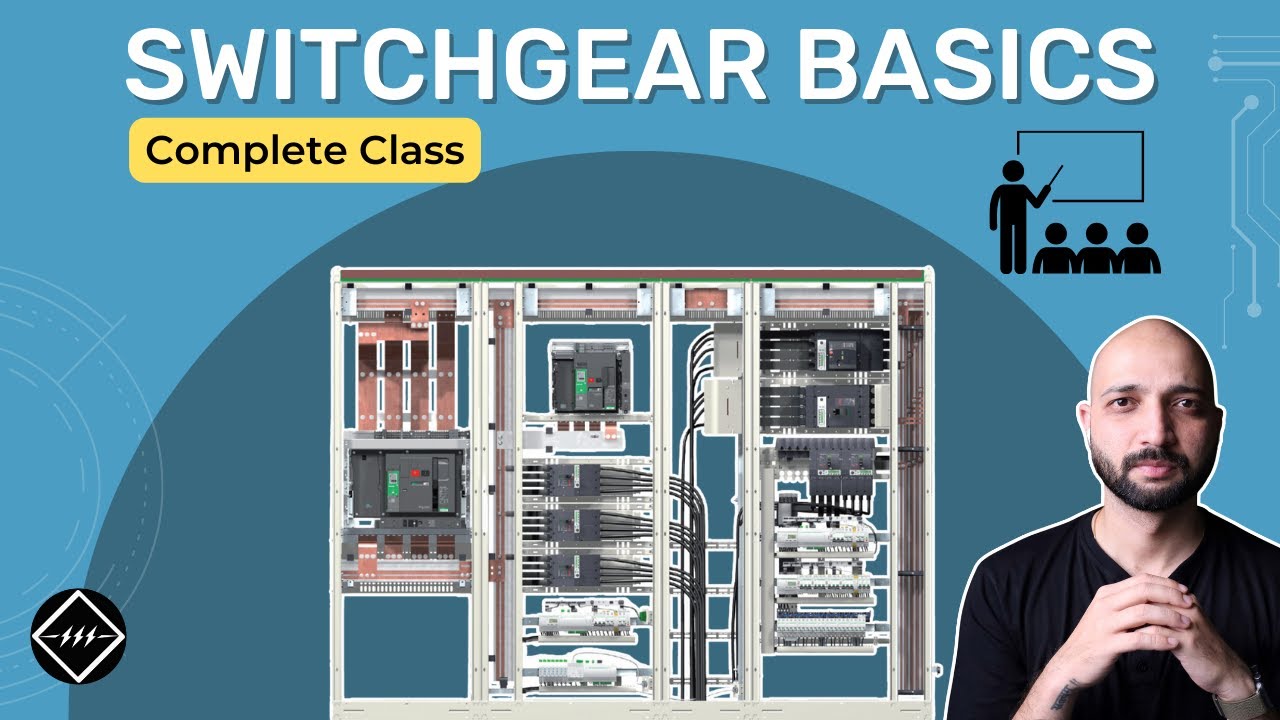
Watch Switchgear Basics: Complete Beginner's Guide | TheElectricalGuy