
For a broader view, see our dry-type transformer types and ratings guide.
Dry type electrical transformers are a key component of any electrical distribution system. Unlike oil-filled transformers, they utilize air (rather than a liquid) to cool down the windings. This makes them ideal for many different types of applications. In this article, we will look at the different kinds of dry-type transformers, their benefits, and how they are used, all of which will help you understand why they are so important in today’s electrical systems.
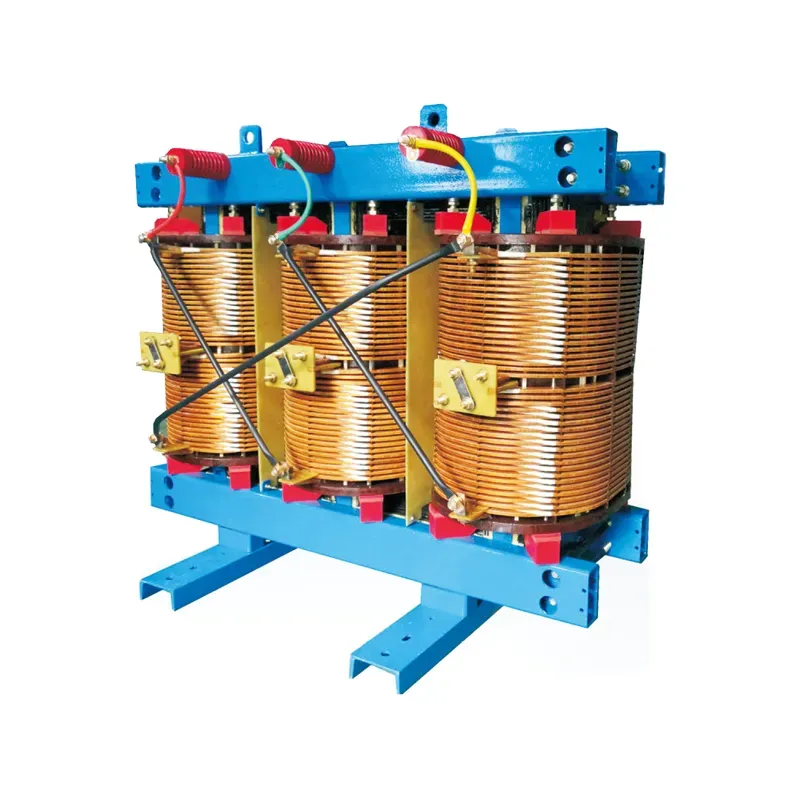
What is a Dry Type Electric Transformer?
A dry type electric transformer doesn’t use oil to insulate or cool down, since it depends on slender air for cooling. As a result, these transformers generally have a smaller footprint than oil-filled transformers. Additionally, they are made to work in all environmental situations and due to their lower fire risk and pollution potential, they are mainly installed indoors. Users that value efficiency and safety are able to appreciate the benefits of dry type electric transformers because of their lower maintenance requirements.
Types of Dry Type Electric Transformers
There are various kinds of dry type transformers, with each kind being built for certain applications and environmental situations. There are three common types of dry-type transformers; these include:
1. Air-Cooled Transformers: These transform by using only ambient air as cooling. They are the most basic version of dry transformers. They are used widely in industries and commercials.
2. Resin-Encapsulated Transformers: The core and winding of the transformers are encapsulated with an epoxy resin to provide enhanced insulation resistance, as well as added protection from moisture and other pollutants. As a result, these Types of Transformers can be used in an outdoor environment.
3. Cast Resin Transformers: Like encapsulated transformers consisting of resin it’s important to note that these transformers (cast resin) serve at a greater voltage level than traditional transformers and have gained fame as being extremely resilient to the elements because of their robust nature.
Advantages of Dry Type Electric Transformers
Numerous factors contribute to their use within an increasingly diverse range of applications and applications-based on their benefits and advantages.
1. Enhanced Safety: As they do not use flammable insulating oil, the risk of fire is greatly decreased, thus making them a safer choice for sensitive environments.
2. Environmentally Friendly: Dry transformers are considered more environmentally conscious as they don’t present a risk of leaking fluids and are also recyclable when they reach the end of their useful life.
3. Low Maintenance: Due to a smaller number of components that could malfunction and eliminate the need to test oil, maintenance costs are generally reduced for a transformer over its lifetime.
4. Space Saving: Oil-filled transformers are usually heavier and bulkier than other types of transformers. Hence, oil-filled transformers require more space for installation than other types.
Practical Applications of Dry Type Electric Transformers
Versatile dry type electric transformers have numerous applications and can be used in many different areas including;
1. Commercial Buildings: There are many installations of energy-efficient lighting within buildings throughout the world. Energy-efficient lighting is primarily used in offices, schools and hospitals where safety and energy efficiency are top priorities.
2. Industrial Facilities: Manufacturing and factory operations rely upon dry type transformers to provide a dependable source of electricity for their tools and equipment.
3. Renewable Energy Installations: Wind and solar energy projects often use them because of their small size and safety in the environment.
4. Mixed-Use Developments: In today’s cities, dry transformers are typically incorporated in multi-purpose (segregated) building projects with safe and effective electrical supply to both residential/ commercial facilities.
Frequently Asked Questions
What is a dry type electric transformer?
An electrical transformer that has a dry type uses air as its cooling medium and can be used in any setting because it has no liquid insulating material.
What are the types of dry type electric transformers?
Different kinds of transformers such as air-cooled, resin-encapsulated, and cast resin come with various characteristics and are utilized in different types of applications and operational environments.
What are the practical applications of dry type electric transformers?
The use of Solar Panels is popular in commercial buildings, as well as in industrial facilities including installations that produce renewable energy and mixed-use facilities because of their safety and efficiency.
What are the advantages of dry type electric transformers?
They provide safe, environmentally responsible, low-maintenance & space-saving solutions for new electrical systems, & use improved products & technologies.
To sum up, electric transformers that are dry type are essential elements in the world of electrical power distribution because they provide a much safer, more energy efficient and more friendly to the environment alternative to oil transformers. They can be used in many types of commercial and industrial applications, so they meet a large variety of power needs. Knowing about the various styles and their benefits will help people looking for a transformer to choose one that best meets their needs.