
A 3150KVA dry type power transformer should be selected from the electrical duty and installation interfaces that the large plant has actually defined. Capacity alone cannot establish the voltage ratio, connection arrangement, loss basis, terminal layout or final room fit. For the broader construction and project-selection overview, see our dry-type transformer cooling and selection overview.
Use a public catalog row to compare fields, then let the approved specification and issued drawings control the proposed unit.
Part 1. Start with the large-plant electrical duty
At this capacity, the plant interface is the starting point. IEC 60076-1 frames rating and technical requirements as specification matters, so the source system, secondary distribution and operating duty should be made explicit before offers are compared (IEC 60076-1).
Record the voltage ratio, load basis, connection arrangement and grounding requirement in the inquiry. Those entries make the 3150KVA figure meaningful instead of treating it as a complete electrical description.
| Plant decision | Buyer should provide | Why the supplier needs it |
|---|---|---|
| Distribution duty | Single-line diagram and load description | Defines the system role behind the capacity |
| Voltage ratio | Required primary and secondary values | Prevents a mismatched interface |
| Connection arrangement | Vector group and grounding requirement | Makes network coordination visible |
| Installation concept | Room or enclosure arrangement | Sets the boundary for the mechanical review |
The Transformer category provides the product-family context; it should not replace the project electrical definition.
Part 2. Lock the bid comparison fields before capacity is priced
Comparable bids hold the key electrical inputs constant. A capacity label can look alike across proposals while voltage, vector group, impedance target or loss basis differ.
| Comparison field | Buyer should provide | Quote review use |
|---|---|---|
| Rated capacity | 3150KVA duty and load basis | Confirms what the stated capacity represents |
| Voltage ratio | Primary and secondary requirement | Checks network compatibility |
| Vector group | Required connection arrangement | Identifies an interface deviation |
| Loss basis | Required reference condition | Keeps loss values comparable |
| Impedance | Project target or study requirement | Connects the offer to system coordination |
The 1000KVA dry type transformer EPC guide addresses a smaller-capacity procurement angle. For a 3150KVA review, the bid record also has to carry the plant room and connection interfaces.
Important: A catalog loss or impedance entry does not establish site fit. Check the proposed unit against the agreed project requirements (IEC 60076-1).
Part 3. Read the public 3150KVA catalog row as a reference
The LBAJI SC(B) public table includes a 3150KVA row. It lists reference values of 4.62 for no-load loss, 22.5 for load loss, 0.6 for no-load current, 5000 for weight, and 1600 x 1120 x 1860 for dimensions (SC(B) series page).
These entries are useful for identifying what a quotation should state. They are not a substitute for confirming the units, applicable conditions, terminal arrangement, enclosure or final drawing for the proposed transformer.
| Public-table field | How to use it | What must still be confirmed |
|---|---|---|
| No-load and load loss | Compare like-for-like stated values | Reference condition and proposed construction |
| No-load current | Identify a catalog field for review | Selected design and electrical requirements |
| Weight and dimensions | Start preliminary coordination | Lifting method, clearances and issued drawing |
Part 4. Carry room, lifting and terminal interfaces into selection
Room planning becomes reliable only when it follows the selected configuration. IEC 60076-11 concerns dry-type transformer requirements and tests, while the actual installation still needs the project room, air path, access and connection constraints to be defined (IEC 60076-11).
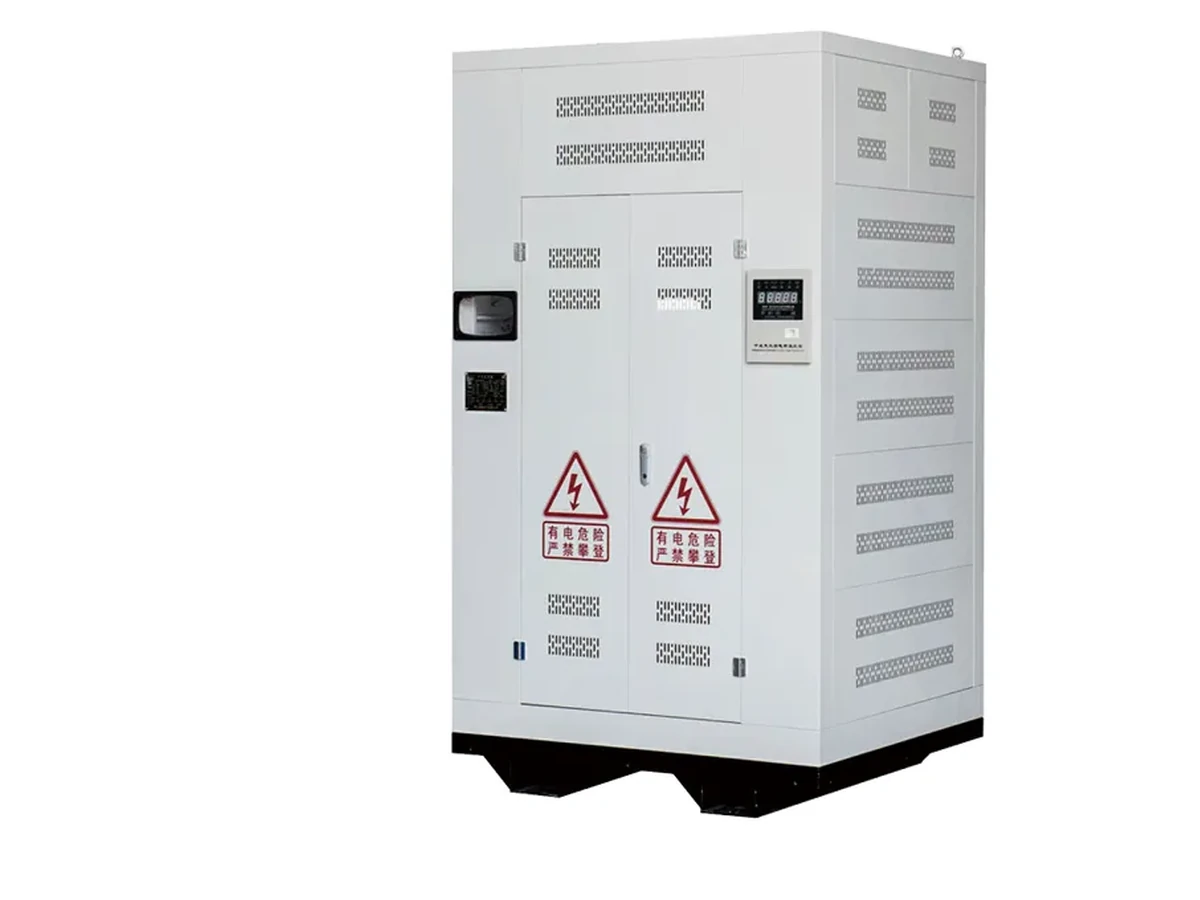
The large-plant drawing review should identify terminal direction, cable approach, lifting route, service access and adjacent equipment. A published dimension can support early coordination; it cannot release the layout.
Part 5. Make the quotation review drawing-led
A strong bid review asks each supplier to answer the same engineering record. The aim is not to prescribe unknown construction details but to expose deviations before an award decision.
Ask the proposed supplier to return:
- a datasheet covering voltage, vector group, losses and impedance;
- a general arrangement drawing with terminal orientation and relevant dimensions;
- the proposed enclosure and connection information;
- the required test-document scope; and
- a written list of departures from the inquiry.
This document-led approach follows the need for agreed rating and requirement data described by IEC 60076-1).
Part 6. Position an SC(B) dry-type series within its fit boundary
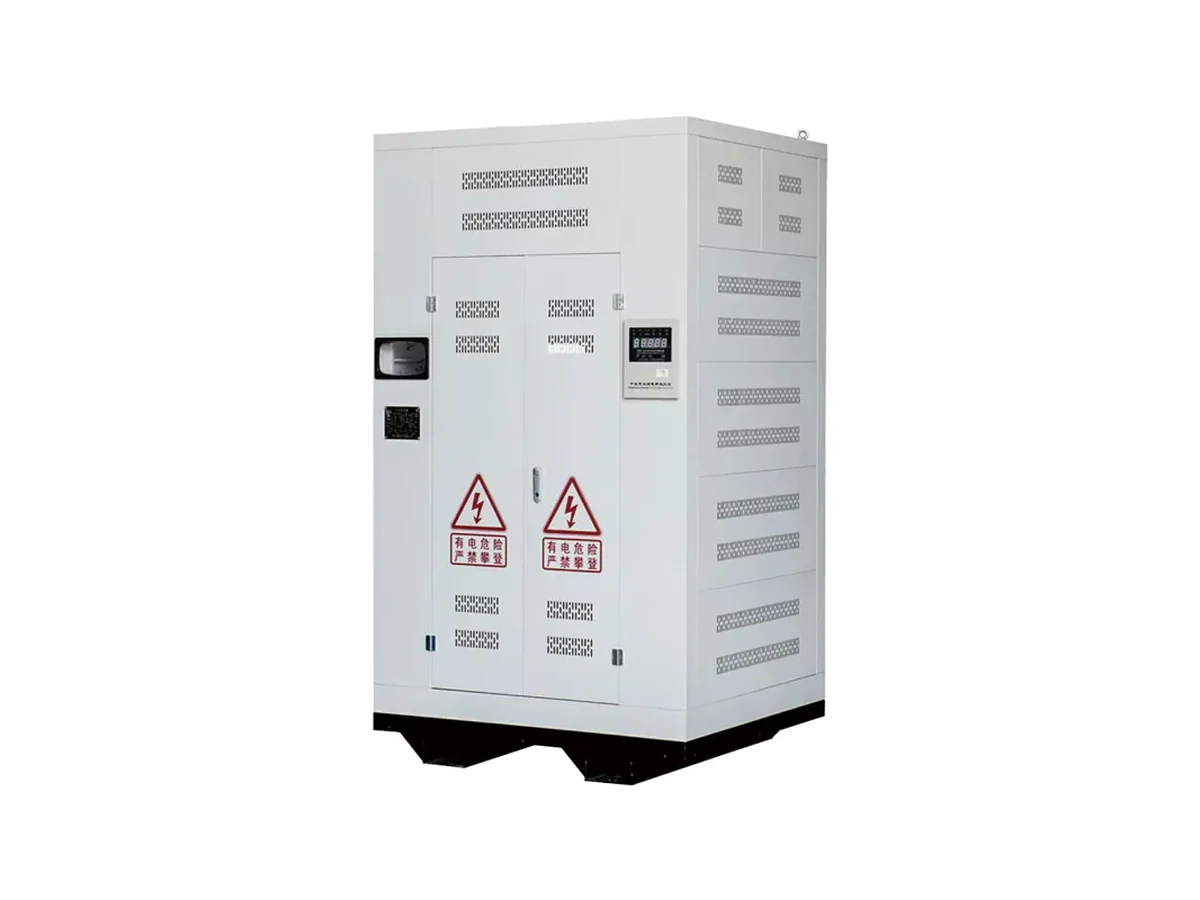
Where the confirmed plant concept calls for dry-type equipment, the SC(B) resin insulation dry transformer series is a useful catalog route for checking the available reference fields.
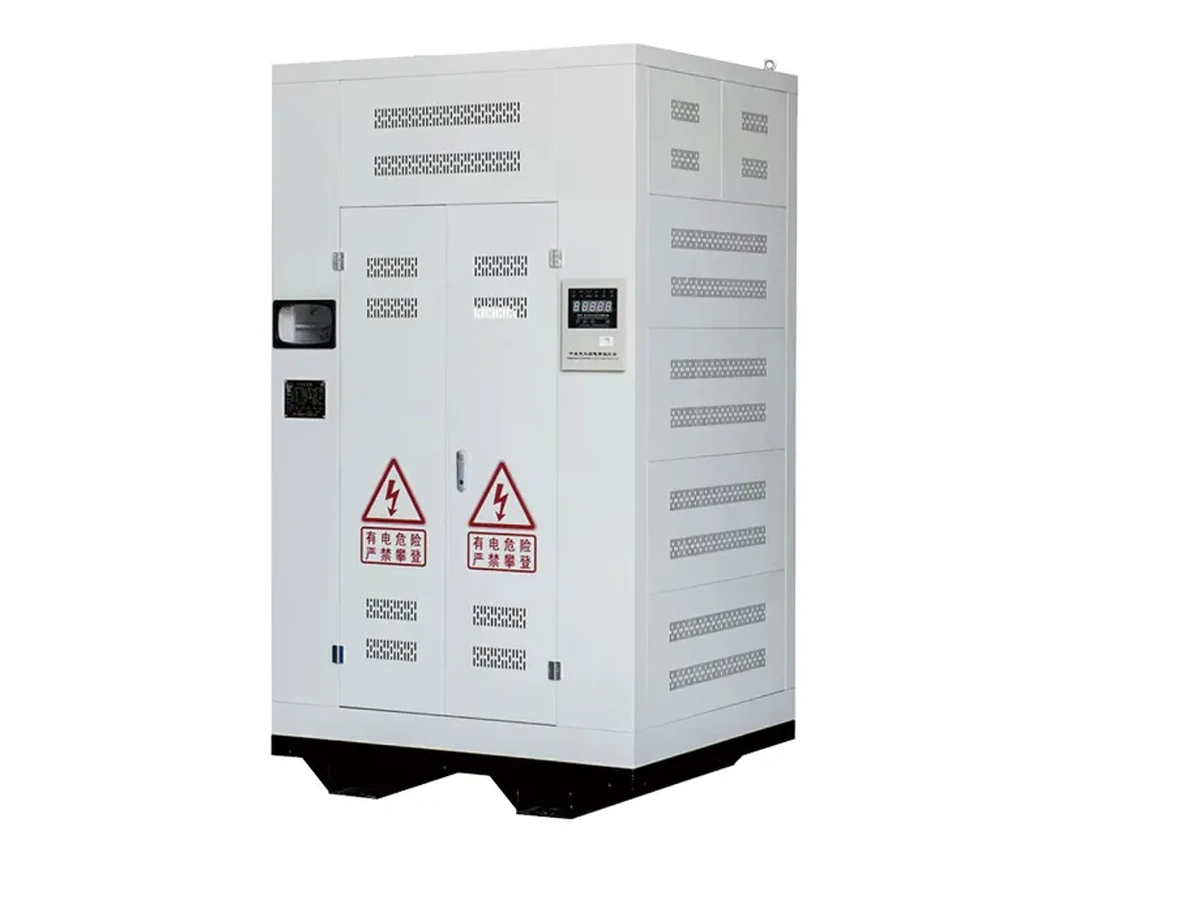
The series is not a final recommendation when the room air path, enclosure, terminal direction, lifting route, protection requirements or approvals are still open. Choosing an oil-immersed series just because it has the same capacity is not a resolution either; the electrical and installation constraints must first be established.
Send the single-line diagram, loss basis, impedance target and drawing requirements through Contact Us for a configuration-specific review.
Part 7. Remove false like-for-like assumptions before award
The most costly comparison mistake is treating every 3150KVA label as equivalent. Compare only offers that use the same required voltage ratio, connection arrangement, loss basis, impedance requirement and defined installation interfaces.
For a related capacity discussion, see the 1600KVA dry type transformer applications guide. Its application framing is useful context, but it does not define the large-plant bid record for this capacity.
FAQs
What does 3150KVA describe on a dry type transformer?
It describes the stated capacity, not the complete selection. The voltage ratio, connection arrangement, loss basis, impedance requirement and installation interfaces still define whether a proposed unit fits the project.
Which values should a 3150KVA quotation include?
Include the required capacity basis, voltage ratio, vector group, loss basis, impedance requirement, terminal direction, room information and drawing requirements. This creates a common basis for technical comparison.
Can public loss values be used directly in a bid comparison?
They can be used as a catalog reference only when the compared proposals state matched conditions and construction details. The inquiry should require every supplier to state the basis used for its offered values.
Can catalog dimensions release the final transformer room layout?
No. Catalog dimensions support preliminary planning. The issued general arrangement drawing, lifting method, clearances, terminals and cable approach must be reviewed before the layout is released.
What should a large plant provide for a transformer review?
Provide the single-line diagram, voltage ratio, vector group, load basis, impedance target, room arrangement, cable and terminal interfaces, plus the required drawing and documentation list.
When should a dry-type alternative be reconsidered?
Reconsider the selection when the electrical duty or installation concept remains undefined. A different construction should be evaluated from the confirmed project constraints, not chosen from capacity alone.