
A 1600KVA dry type power transformer is an application fit only when its voltage, connection arrangement, loss basis, room interfaces and selected construction are reviewed together. The capacity label does not by itself determine ventilation, enclosure, cable termination or the final layout. For the broader construction and project-selection overview, see our dry-type transformer cooling and selection overview.
Use a public product table to frame the review, then make the approved datasheet and drawings the controlling documents for the proposed unit.
Part 1. Define the 1600KVA application before choosing a construction
The application review starts with the distribution system, not with the product label. IEC 60076-1 treats rating and documentation as agreed specification inputs, which means the source, secondary distribution and operating constraints should be defined before proposals are compared (IEC 60076-1).
Identify the voltage ratio, required connection arrangement, load profile and location of the transformer within the installation. Those answers establish what the supplier needs to quote and what the drawing review must resolve.
| Application question | Buyer should provide | Review purpose |
|---|---|---|
| Distribution duty | Single-line diagram and load description | Sets the electrical context for 1600KVA |
| Voltage ratio | Required primary and secondary values | Prevents incompatible proposals |
| Connection arrangement | Vector group and grounding requirement | Makes system interfaces visible |
| Location | Room, enclosure or installed arrangement | Directs the application review |
Use the Transformer category for the product-family context before selecting a construction.
Part 2. Build an electrical specification that suppliers can compare
Comparable offers use one electrical baseline rather than a collection of capacity labels. The inquiry should name the electrical fields that must be held constant across the bid review.
| Specification field | Buyer should provide | Why it matters |
|---|---|---|
| Rated capacity | 1600KVA duty and load basis | Places capacity in the intended service context |
| Voltage ratio | Primary and secondary requirement | Aligns the transformer with the network |
| Vector group | Required connection arrangement | Supports system coordination |
| Loss basis | Required comparison basis | Avoids unmatched loss claims |
| Impedance | Project target or study requirement | Keeps protection review tied to the design |
The 1000KVA dry type transformer EPC guide provides a related procurement perspective. The 1600KVA review still needs its own room and interface data.
Important: A catalog impedance or loss entry is not a site approval. The proposed configuration and project requirements must be reviewed together (IEC 60076-1).
Part 3. Connect losses, ventilation and enclosure to the application
Dry-type application planning connects electrical losses to the installation environment. IEC 60076-11 frames dry-type transformer requirements and tests around the agreed specification, so ventilation and enclosure questions cannot be answered from capacity alone (IEC 60076-11).
Ask whether the available room, air path, access and surrounding equipment match the intended construction. The result is a review input, not a claim that a generic room or enclosure is suitable.
| Application input | Record for review | Boundary |
|---|---|---|
| Loss data | Proposed values and stated basis | Compare only matched configurations |
| Ventilation concept | Room and air-path information | Confirm with selected construction |
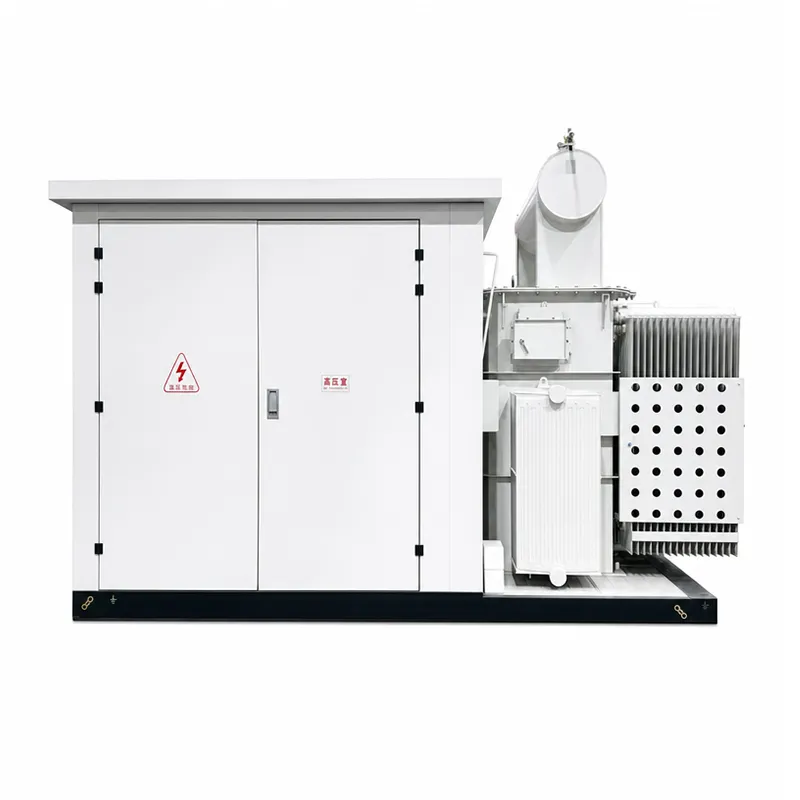
| Enclosure need | Project-defined protection requirement | Do not infer from a product image |
| Access | Lifting, service and cable space | Resolve on the issued drawing |
Part 4. Carry room and cable interfaces into the drawing review
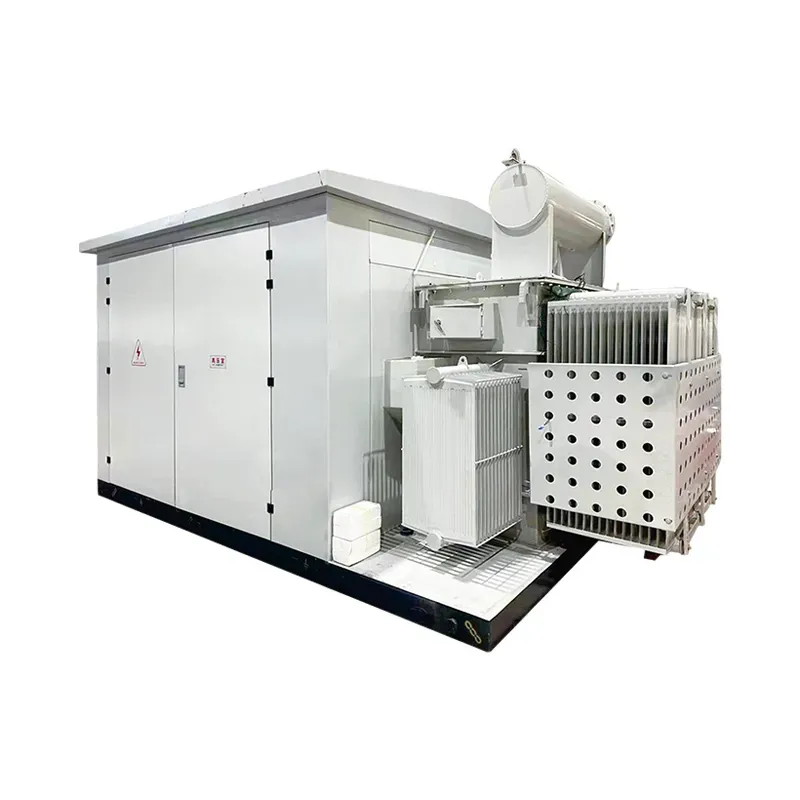
Room planning is not complete when a catalog dimension fits on a preliminary plan. Cable entry, terminal direction, lifting access, service clearance and adjoining equipment must be checked on the general arrangement drawing for the selected unit.
This is especially important where an application description combines building space with electrical distribution. The dry type versus oil immersed transformer comparison can help frame the construction choice, but it cannot substitute for the site-specific drawing review.
Part 5. Make the technical review document-led
Before an award decision, ask suppliers to respond to the same record of requirements. This lets the team identify deviations instead of assuming that a series name represents the full scope.
The review package should contain:
- proposed datasheet covering voltage, connection group, losses and impedance;
- general arrangement drawing with terminals and relevant dimensions;
- enclosure, accessory and connection information;
- project-required test-document plan; and
- a clear list of departures from the inquiry.
IEC 60076-1 supports the role of agreed ratings and documentation, while the project documents define the final requirement (IEC 60076-1).
Part 6. Use a dry-type product series as a review path, not a shortcut
For a project whose electrical and installation concept calls for dry-type equipment, the SC(B) resin insulation dry transformer series is a relevant catalog entry point. The public tables include 1600KVA references that can help a team identify fields for confirmation.
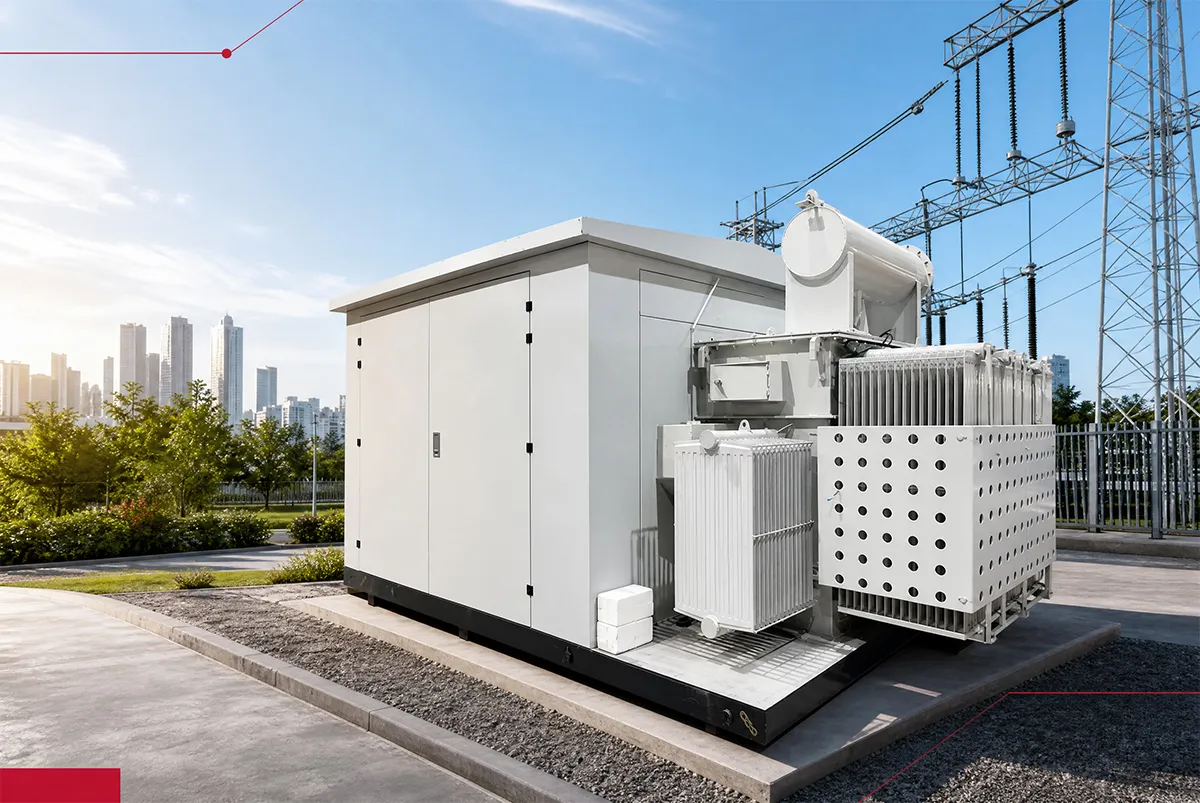
It is not a final recommendation when the voltage, room, ventilation, enclosure, terminals, protection study or approvals remain open. In that case, an oil-immersed alternative is not automatically the answer either; first establish the installation and electrical constraints.
Send the single-line diagram, room information, cable interfaces and drawing requirements through Contact Us for a configuration-specific review.
Part 7. Correct application assumptions before they become rework
Avoid describing a dry-type transformer as universally suited to any indoor or industrial setting. A suitable application is one where the electrical specification and installation interfaces have both been evaluated against the selected construction.
For a higher-capacity procurement comparison, see the 2000KVA dry type distribution buying guide. Keep its capacity-specific input set separate from the 1600KVA proposal under review.
FAQs
What is a 1600KVA dry type power transformer used for?
It is considered for a defined distribution duty when the approved voltage, load and installation conditions support that capacity. The project electrical design determines the final construction and arrangement.
What should be included in a 1600KVA dry-type specification?
Include the required voltage ratio, vector group, loss basis, impedance requirement, room information, cable interface and document requirements. The supplier then has a common basis for the proposal.
Does a dry-type transformer remove the need for ventilation review?
No. The room, air path, enclosure needs, access and surrounding equipment still need coordination with the selected construction.
Can catalog dimensions set the final room layout?
No. Catalog dimensions support preliminary planning. The issued general arrangement drawing, terminals, cable approach and lifting method must be reviewed before the layout is released.
Which applications suit a dry-type review?
Applications with a defined electrical duty and a documented installation concept can be reviewed for dry-type construction. The final fit depends on the selected configuration and project requirements.
Which documents should be reviewed before award?
Review the proposed datasheet, general arrangement drawing, terminal information, accessory scope and required test-document plan. Any departure from the inquiry should be visible in the bid record.