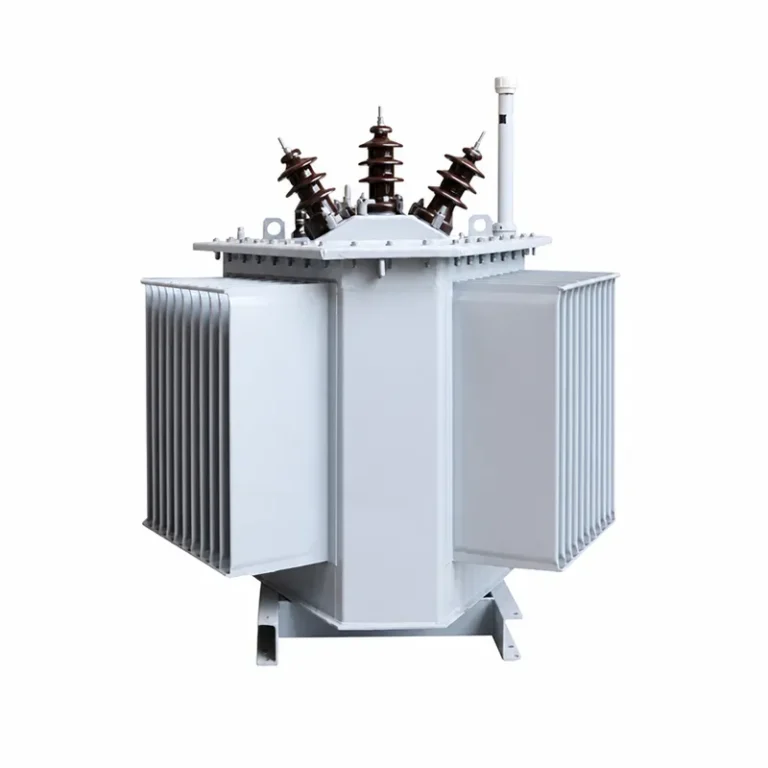
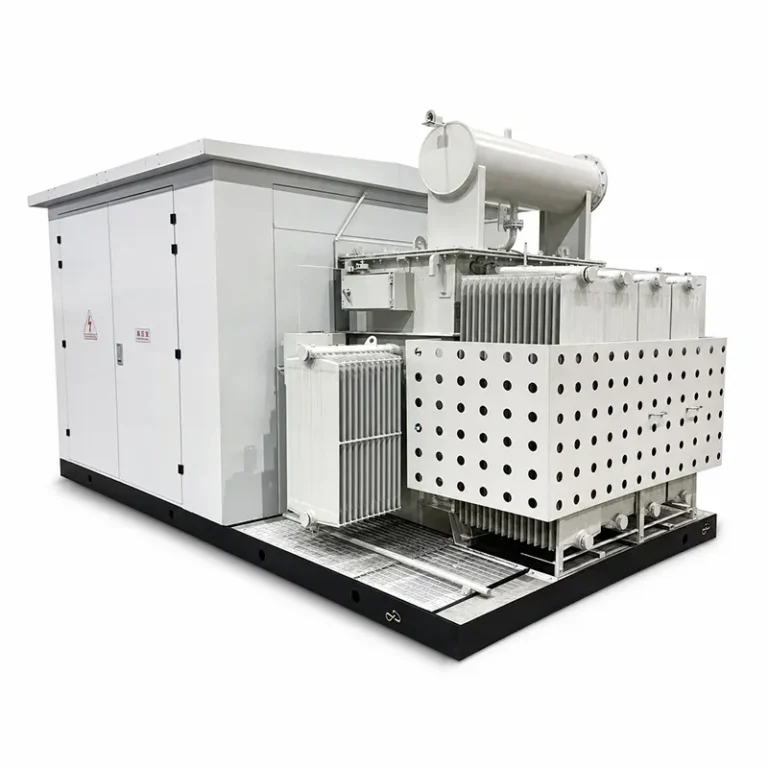
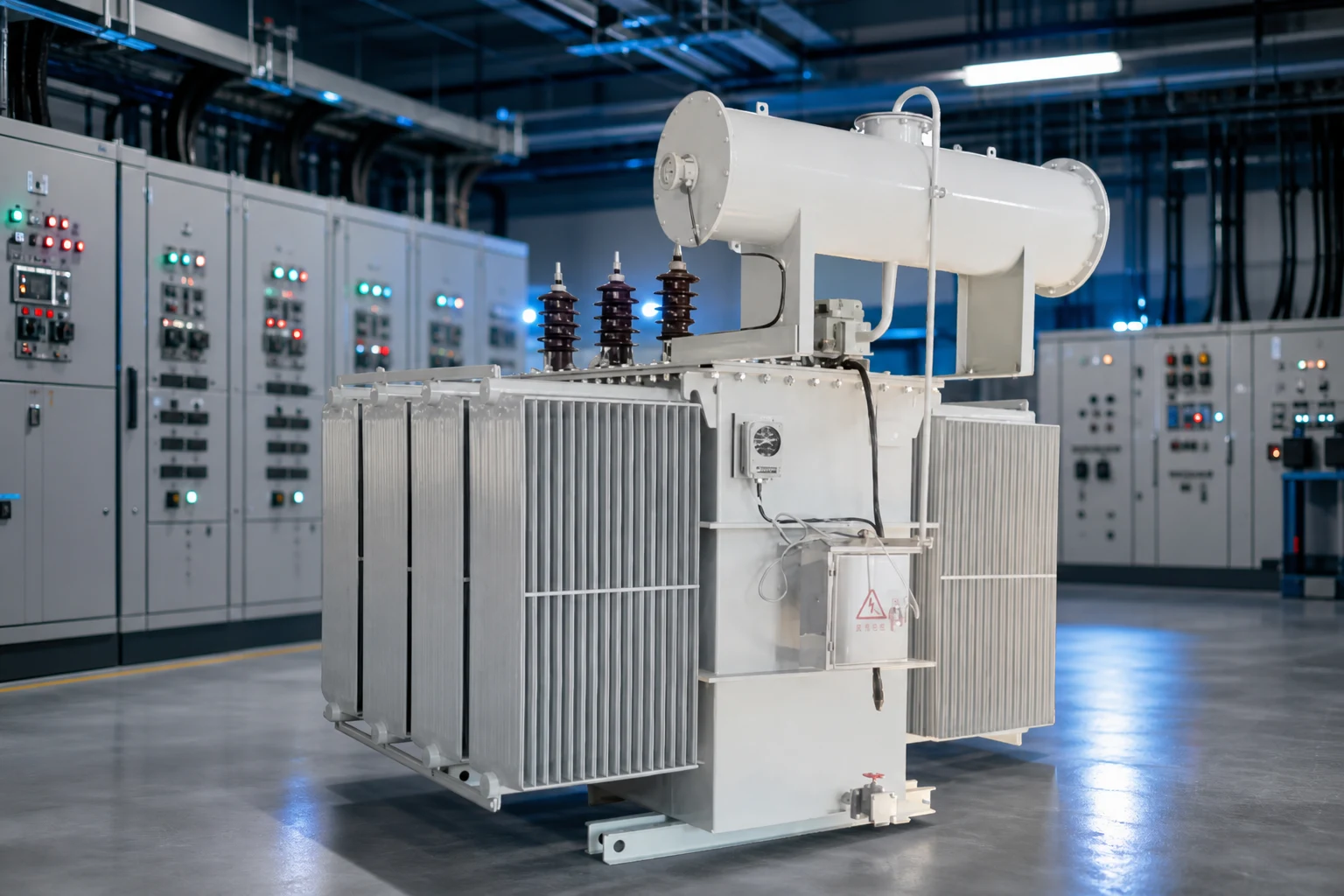
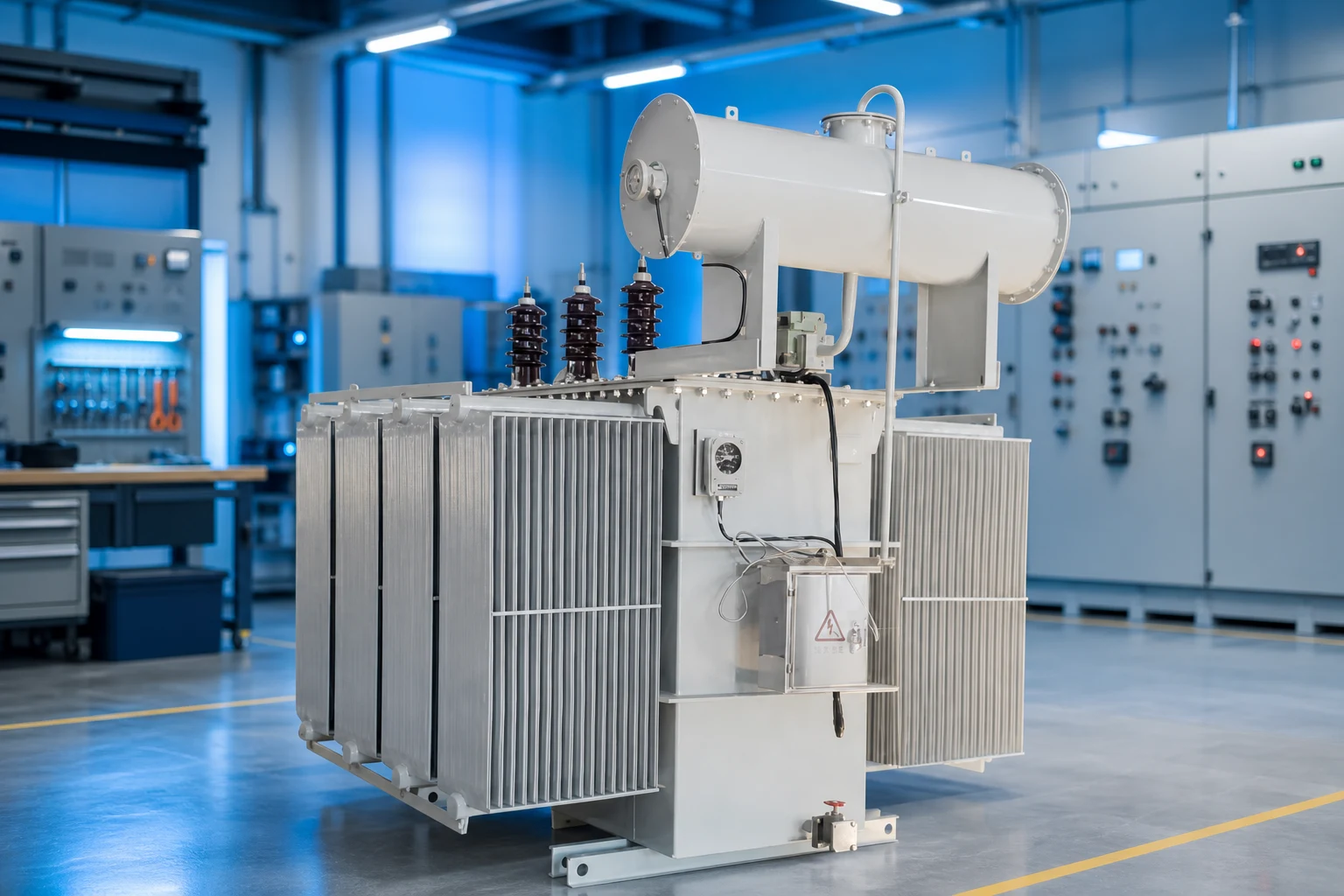
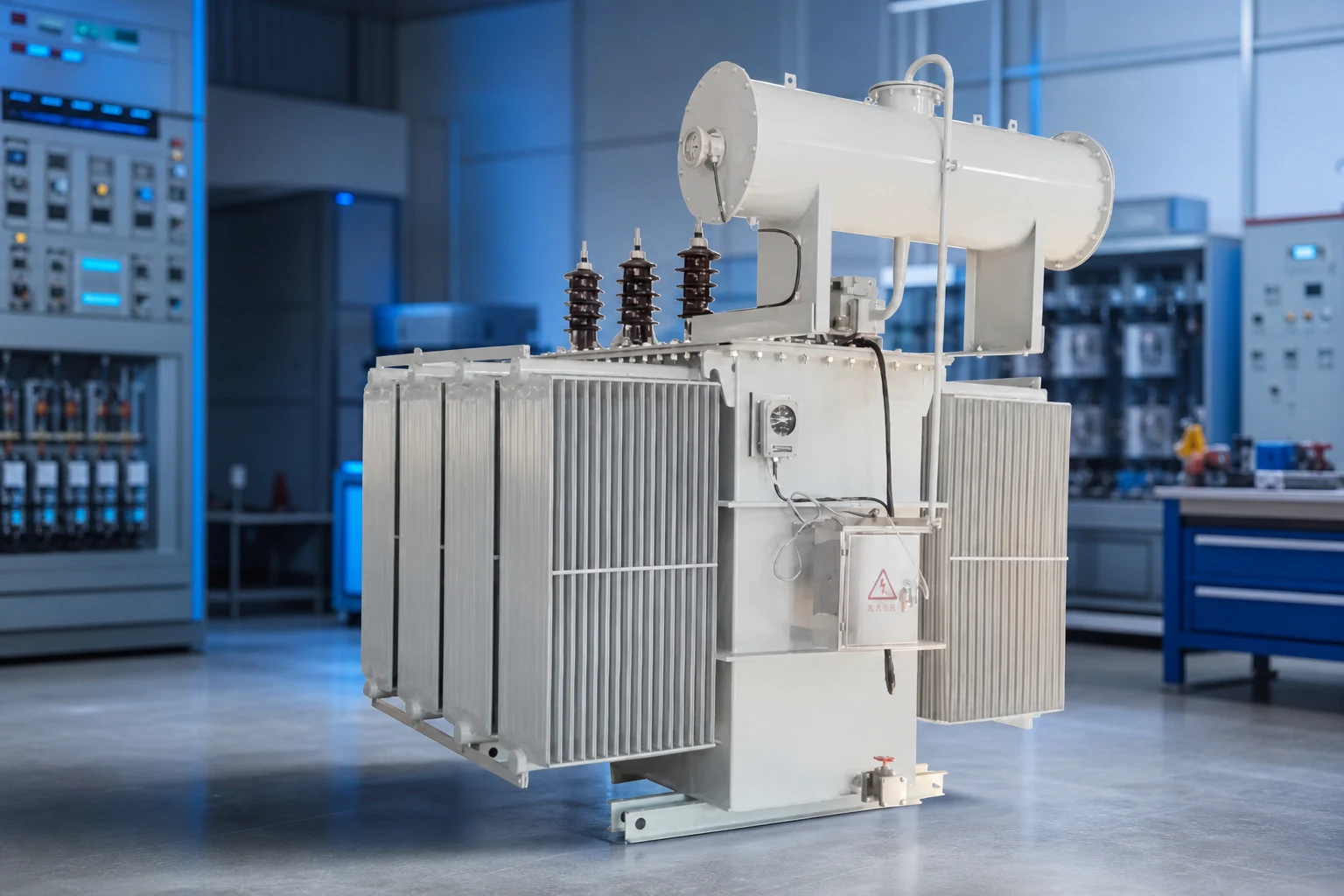
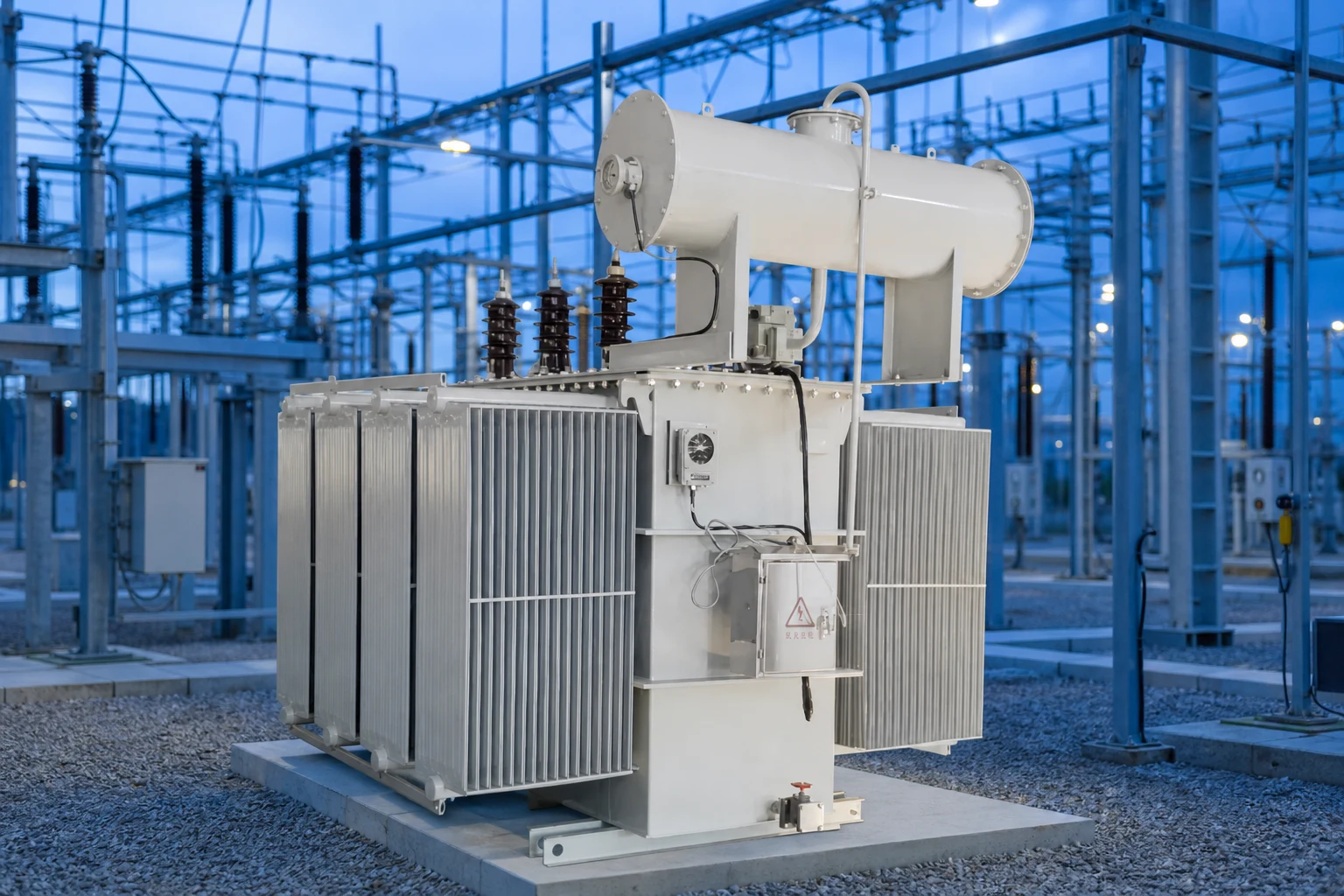
A 630KVA oil immersed power transformer should be compared only after the voltage ratio, connection group, loss basis, impedance, site arrangement and documentation requirements are on the same project sheet. The kVA label establishes rated capacity, but it does not…
A 250KVA oil immersed power transformer RFQ is useful only when electrical, site and document requirements are defined on the same sheet. A kVA label without voltage, connection group, loss basis and installation conditions leaves suppliers free to quote different…
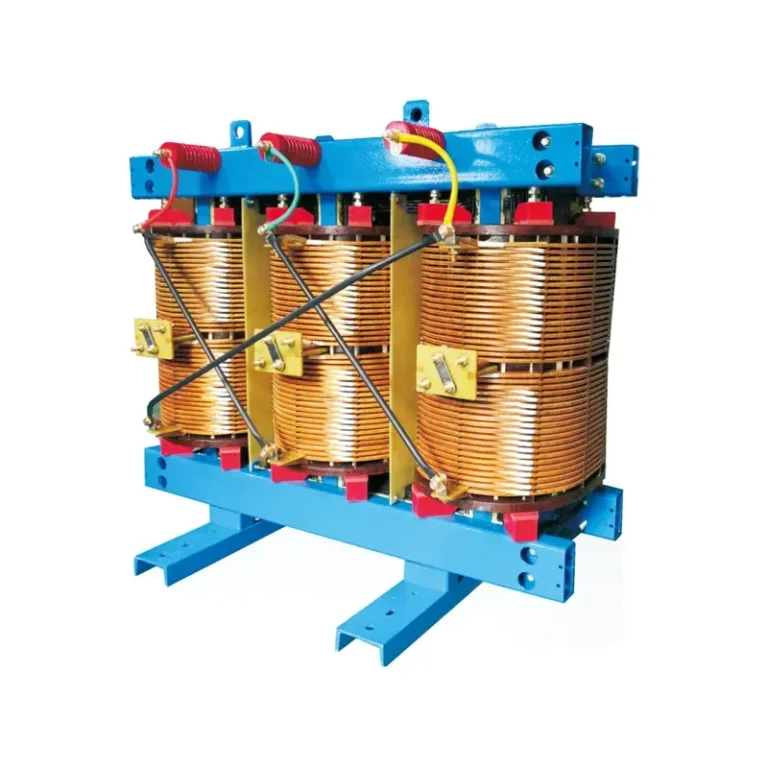
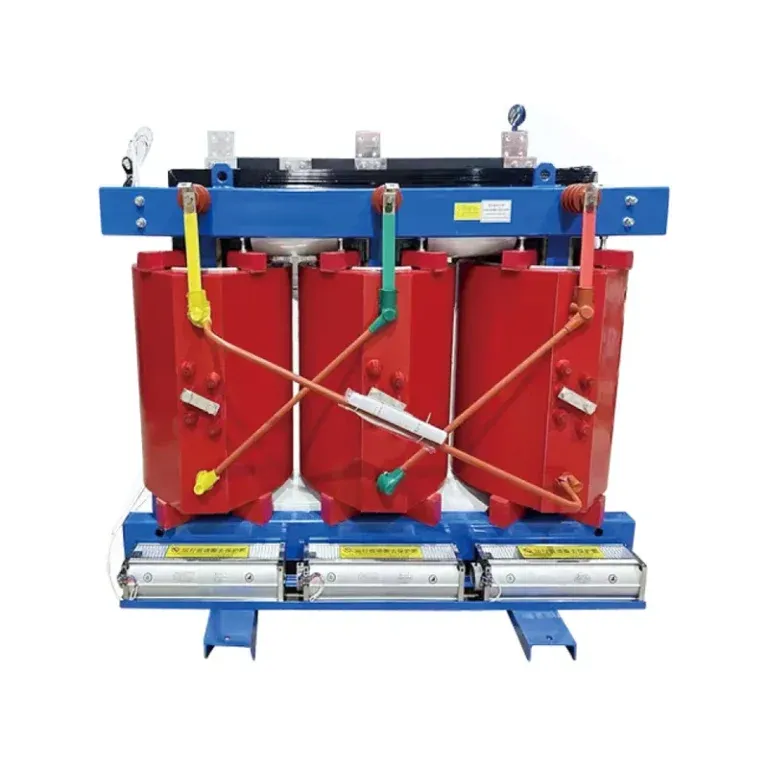
A 100KVA dry type power transformer is a practical distribution option when its voltage, load profile, connection group and room conditions are specified together. Capacity alone is not enough to compare suppliers or confirm an indoor installation. For the broader…
Transformer spare parts stocking decides whether a small gasket leak becomes a day of work—or a week of waiting on freight. Plants that buy transformers without a spare annex often discover missing fan kits, breathers, or bushing hardware only after…
Transformer dielectric test package planning decides whether insulation evidence is usable—or just a stamp on a shipping folder. Buyers who leave sequence and limits out of the RFQ often argue on the factory floor with incomplete reports. This guide covers…
Dry type insulation and temperature class choices decide whether an indoor unit runs inside its thermal budget—or ages quietly behind a closed door. For the broader construction and project-selection overview, see our dry-type transformer design and selection guide. Buyers who…
Transformer efficiency class decisions look simple on a brochure and expensive when the load factor was wrong. Buyers who compare stickers instead of declared losses and duty hours often overpay—or under-spec—relative to real operating cost. This guide shows how to…
Conservator vs sealed tank selection decides how an oil-immersed transformer handles expansion, moisture risk, and routine inspections. Buyers who leave tank style vague often discover late changes to pads, cable boxes, and spare-parts lists. This guide compares the practical trade-offs…
Transformer inrush current planning decides whether first energization trips a healthy feeder or settles cleanly into service. Buyers who treat inrush as a supplier curiosity often discover nuisance trips, delayed commissioning, or oversized breakers selected too late. This guide covers…
Dry type vs oil immersed fire safety decisions shape room size, spill control, and emergency access long before the purchase order. For the broader construction and project-selection overview, see our dry-type transformer cooling and selection overview. Building projects that pick…